
Introduction: The New Era of Competitive Gaming
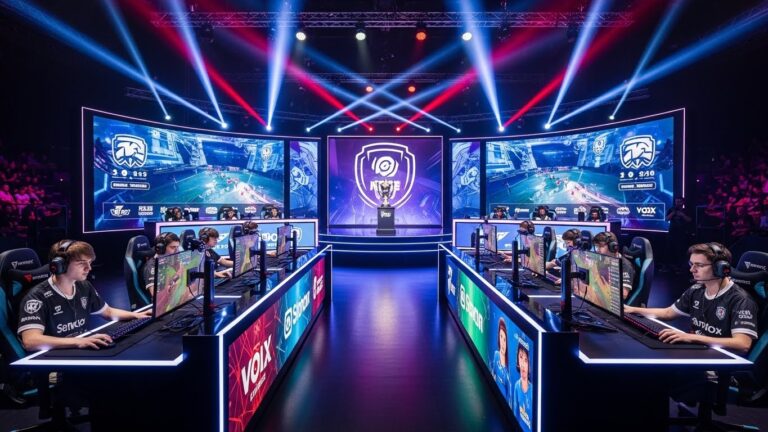
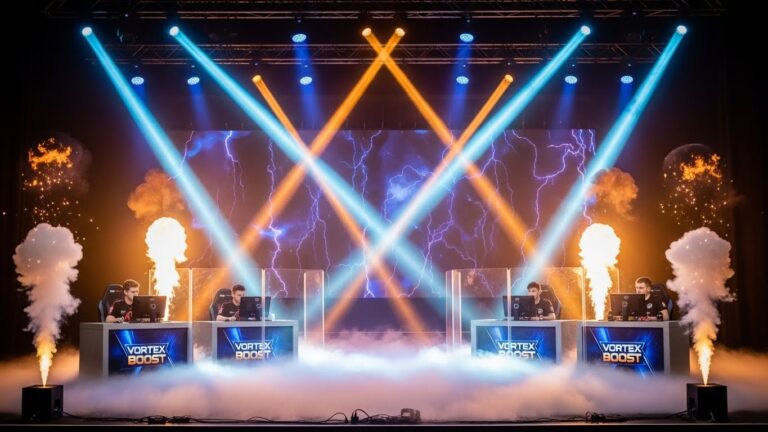
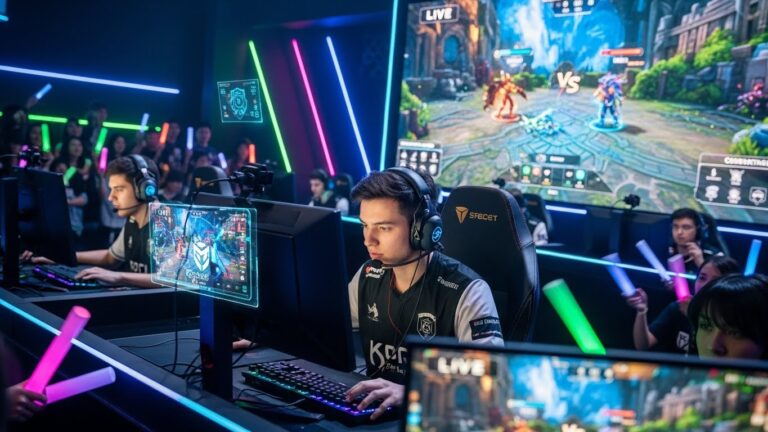
Over the past decade, a quiet revolution has been unfolding in the world of gaming. What was once considered a casual hobby has evolved into a global phenomenon known as esports. Competitive gaming, or esports, has transformed the way people play, watch, and interact with video games. From small local tournaments to stadiums filled with cheering fans, esports has become a professional, highly lucrative, and culturally influential industry. Unlike traditional sports, esports offers a unique blend of technology, strategy, teamwork, and entertainment that appeals to millions of people worldwide.
The Evolution of Esports: From Casual Play to Professional Competition
Esports has its roots in the arcade era of the 1980s when players would compete for high scores on classic games like Pac-Man and Space Invaders. However, the real foundation for modern esports was laid with the rise of multiplayer PC games in the 1990s, such as Quake and StarCraft. These games encouraged competitive play among friends and strangers alike, often through local area networks.
The 2000s saw the birth of professional tournaments and organized leagues. Games like Counter-Strike and Warcraft III began hosting competitions with prize money, attracting serious players and fans. The creation of streaming platforms in the 2010s, most notably Twitch, brought esports into homes around the world, allowing fans to watch live matches and follow their favorite players as celebrities in their own right. Today, esports has expanded to include hundreds of titles across genres like MOBAs, first-person shooters, and sports simulations, making it a diverse and thriving industry.
Popular Esports Genres and Games
Esports is not confined to a single type of game. Different genres attract different communities and professional circuits. Multiplayer Online Battle Arenas, or MOBAs, such as League of Legends and Dota 2, dominate the scene with complex strategies and team coordination. These games often feature international tournaments with multimillion-dollar prize pools, making them highly competitive.
First-person shooters (FPS) like Counter-Strike: Global Offensive, Call of Duty, and Valorant focus on precision, reflexes, and tactical play. These games emphasize individual skill as much as team strategy, making them exciting for spectators to watch. Fighting games, such as Street Fighter and Super Smash Bros., showcase one-on-one skill-based competition, while sports simulation games like FIFA and NBA 2K offer a digital version of traditional sports. Each genre has cultivated its own fanbase, contributing to esports’ diverse and dynamic culture.
The Role of Streaming and Social Media
One of the most significant factors in esports’ growth is streaming platforms. Live streaming allows players to broadcast their games to millions of viewers worldwide, creating a direct connection between gamers and fans. Platforms like Twitch, YouTube Gaming, and Facebook Gaming have enabled esports to become more than just competitive tournaments—they have become entertainment spectacles.
Social media also plays a crucial role in esports culture. Fans can interact with their favorite players, discuss strategies, and follow updates about tournaments and leagues. This level of engagement has transformed esports into a participatory experience, where fans are not just spectators but active members of the community. The accessibility and interactivity of esports content have been pivotal in its rise, especially among younger audiences who are digital natives.
Esports as a Career Path
Esports is no longer just a hobby; it has become a legitimate career path. Professional gamers can earn substantial incomes through tournament winnings, sponsorships, and streaming revenue. Top players are often treated like traditional sports stars, with fan followings, brand endorsements, and media appearances. Teams operate like professional sports franchises, with coaches, analysts, and managers working to optimize performance.
Beyond players, esports offers opportunities in event management, content creation, marketing, game development, and broadcasting. Universities around the world have even started offering esports scholarships, recognizing the skill, discipline, and dedication required to excel in competitive gaming. As the industry grows, it continues to create new career paths that were unimaginable just a decade ago.
The Economic Impact of Esports
Esports has become a billion-dollar industry, attracting investments from game publishers, tech companies, and media organizations. Major tournaments now offer prize pools in the millions, and revenue streams include sponsorships, advertising, merchandise, and media rights. Companies are eager to tap into esports’ young, tech-savvy audience, making it an attractive market for brands seeking to connect with consumers in innovative ways.
The economic impact extends beyond professional play. Gaming hardware, streaming equipment, and esports merchandise contribute to a larger ecosystem that supports thousands of jobs. Additionally, esports tourism, where fans travel to attend live events, has become a growing sector in cities that host major tournaments. This economic growth underscores esports’ status as more than just entertainment—it is a powerful global industry shaping the digital economy.
Challenges Facing the Esports Industry
Despite its rapid growth, esports faces several challenges. One of the main issues is the lack of standardized regulation. Unlike traditional sports with governing bodies, esports is fragmented, with different games and leagues operating under different rules. This can make career progression and competition fairness inconsistent.
Player health is another concern. Professional gamers often face long hours of practice, high stress, and physical strain, leading to issues such as repetitive strain injuries, sleep deprivation, and burnout. Mental health support and proper training regimens are becoming increasingly important to ensure sustainable careers.
Another challenge is public perception. While esports has gained mainstream recognition, some still view gaming as a casual pastime rather than a legitimate sport. Overcoming these stereotypes will be key to further growth, particularly in attracting sponsorships and institutional support.
The Cultural Impact of Esports
Esports is not just an industry; it is a cultural movement. It has changed how people perceive gaming, turning it into a form of entertainment, art, and social connection. Esports events often blend music, performance, and high-level competition, creating immersive experiences that rival traditional sporting events.
Moreover, esports has contributed to a global sense of community. Players from different countries, backgrounds, and cultures come together online, competing and collaborating in ways that transcend borders. This international appeal has fostered inclusivity and diversity, with fans and players alike celebrating creativity, skill, and innovation.
The Future of Esports
The future of esports looks bright, with technological advances and increasing mainstream acceptance driving growth. Virtual reality and augmented reality may redefine gameplay and spectatorship, creating even more immersive experiences. Artificial intelligence and advanced analytics are enhancing training, strategy, and viewer engagement.
Furthermore, esports is expanding into education, wellness, and social initiatives. Programs teaching coding, teamwork, and critical thinking through gaming are emerging, highlighting esports’ potential beyond entertainment. As traditional media continues to integrate esports content, the line between gaming and mainstream entertainment will blur even further, solidifying esports as a permanent fixture in global culture.
Conclusion: A Global Revolution in Competition
Esports represents one of the most significant cultural and economic shifts in modern entertainment. It has transformed gaming from a private pastime into a public spectacle, creating opportunities for players, fans, and businesses alike. With its diverse genres, global reach, and integration with technology, esports has become more than just a trend—it is a cultural phenomenon reshaping the way people play, watch, and connect. As the industry continues to evolve, one thing is certain: competitive gaming is here to stay, and its influence will only grow stronger in the years to come.
About the Author