
Introduction: A New Era of Competitive Gaming
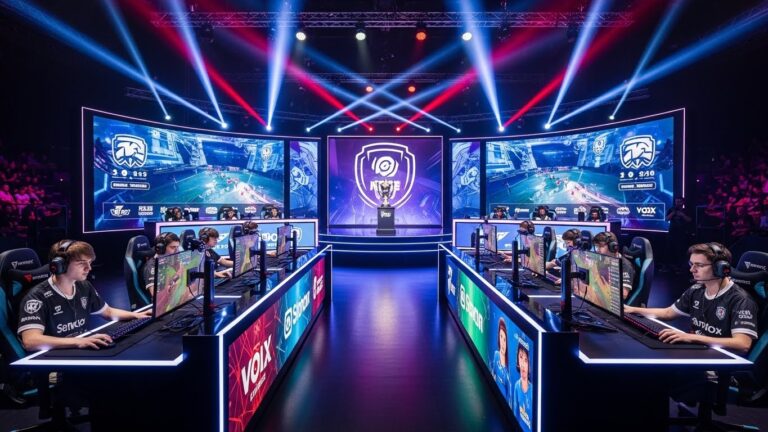
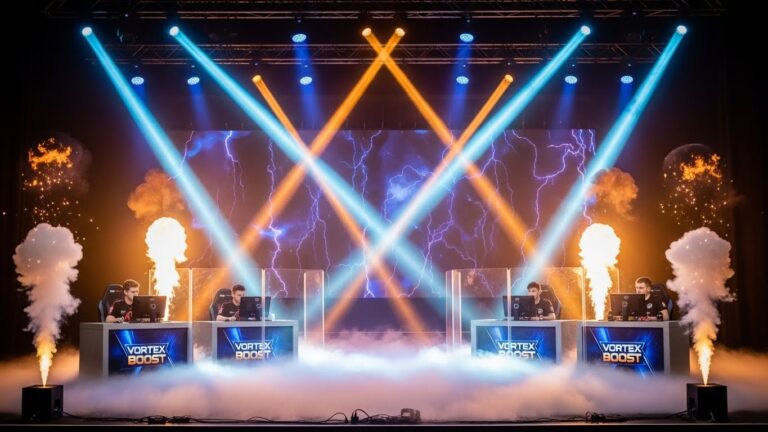
In the past decade, esports has transformed from a niche hobby into a global phenomenon, capturing the attention of millions of players and viewers worldwide. Unlike traditional sports, esports thrives entirely in the digital realm, leveraging technology to create immersive, competitive experiences. This evolution reflects a cultural shift, where gaming is no longer just entertainment but a legitimate platform for professional competition. From high-stakes tournaments to lucrative sponsorship deals, esports now rivals conventional sports in both popularity and economic impact.
The History of Esports: From Basement Competitions to Stadiums
Esports’ origins date back to the late 1970s and 1980s when early video game competitions were organized in arcades and college campuses. One of the first recorded competitive gaming events took place in 1980, featuring the game “Space Invaders.” While primitive by today’s standards, these competitions planted the seeds for a global community of gamers. The 1990s saw the rise of internet gaming, with titles such as “Quake” and “StarCraft” leading the way for online multiplayer competition. By the early 2000s, professional esports leagues began to emerge, particularly in South Korea, where gaming culture was deeply intertwined with technology and social life. Fast forward to today, and esports events are held in massive arenas, attracting millions of online viewers and boasting prize pools in the millions of dollars.
The Popularity of Esports: Why Millions are Watching
Several factors contribute to esports’ immense popularity. Firstly, accessibility plays a key role. Anyone with a computer or gaming console can participate in or watch esports tournaments. Unlike traditional sports, which often require physical skill and years of training, esports emphasizes strategy, reflexes, and teamwork, making it more inclusive for a variety of participants. Secondly, streaming platforms have revolutionized the way audiences consume content. Millions of fans watch live streams on platforms, cheering for their favorite players and learning new strategies. The social aspect of esports cannot be overstated, as communities form around games, connecting players from different countries and cultures.
Major Esports Titles and Their Impact
Certain games have become synonymous with esports due to their competitive balance and global appeal. Titles such as “League of Legends,” “Dota 2,” “Counter-Strike: Global Offensive,” and “Fortnite” dominate the esports landscape. Each game brings its unique set of mechanics, strategies, and fan bases, contributing to a diverse ecosystem. “League of Legends,” for example, is known for its complex team-based gameplay and has created one of the largest esports leagues in the world. On the other hand, “Counter-Strike: Global Offensive” emphasizes precision and tactical coordination, appealing to a different segment of the competitive gaming audience. The success of these games has not only elevated the players but also inspired countless content creators, commentators, and analysts, further embedding esports into mainstream culture.
The Economics of Esports: Money Behind the Screen
Esports is now a multi-billion-dollar industry, driven by sponsorships, advertising, media rights, merchandise, and ticket sales. Major brands have recognized the marketing potential of esports, sponsoring tournaments and individual players to reach a younger, tech-savvy audience. Teams operate much like traditional sports franchises, with professional contracts, coaching staff, and dedicated training facilities. Prize pools for major tournaments can reach millions of dollars, motivating players to pursue gaming as a full-time career. The rise of esports also fuels job creation in areas such as event management, broadcasting, game development, and digital marketing, making it a thriving sector with economic implications beyond entertainment.
The Role of Technology in Esports Growth
Technology is the backbone of esports, enabling seamless gameplay, live streaming, and global connectivity. High-speed internet, powerful gaming hardware, and sophisticated software allow players to compete at elite levels. Additionally, innovations such as virtual reality and augmented reality are starting to reshape the esports experience, providing more immersive gameplay and interactive viewing options. Data analytics also play a crucial role in strategy development, as teams analyze gameplay statistics to refine tactics and gain competitive advantages. Without technology, the scale and accessibility of esports as we know it today would not be possible.
Esports and Education: Bridging Gaming with Learning
Interestingly, esports has begun to make its way into educational institutions. Many colleges and universities now offer esports scholarships, programs, and courses that combine gaming with business, technology, and media studies. These programs help students develop skills such as teamwork, communication, strategic thinking, and digital literacy. By integrating esports into education, institutions are acknowledging its legitimacy and the professional opportunities it can provide. Students can pursue careers as professional players, game designers, analysts, or managers, making esports a viable alternative to traditional career paths.
Challenges Facing Esports
Despite its rapid growth, esports faces several challenges. One major issue is the lack of standardized regulations across the industry. Unlike traditional sports with governing bodies, esports leagues operate independently, which can lead to inconsistencies in rules, tournament structures, and player treatment. Another challenge is player burnout, as professional gamers often endure grueling training schedules that can negatively affect physical and mental health. Additionally, esports must continue to address concerns about inclusivity and diversity, as the industry is still predominantly male-dominated. Overcoming these challenges is essential for ensuring the long-term sustainability and credibility of competitive gaming.
The Future of Esports: Endless Possibilities
The future of esports looks promising, with opportunities for expansion into new markets, technologies, and audiences. Mobile esports, for instance, is rapidly gaining traction, especially in regions where access to high-end gaming equipment is limited. Virtual reality esports could redefine spectator experiences, allowing fans to feel as though they are inside the game. Furthermore, as mainstream acceptance grows, esports could become part of global sporting events, opening doors to Olympic-level recognition. Collaboration with entertainment, education, and technology sectors will continue to fuel innovation, making esports an integral part of the digital era.
Conclusion: Esports as a Cultural Phenomenon
Esports is more than just competitive gaming; it represents a cultural and technological revolution. It has redefined what it means to be an athlete, created new career paths, and transformed entertainment consumption patterns worldwide. From modest beginnings in arcades to packed stadiums and massive online audiences, esports has come a long way in a remarkably short period. Its continued growth reflects the adaptability of human competition and our endless fascination with games. As technology evolves and communities expand, esports will continue to shape the way we play, watch, and engage with digital entertainment. In the world of esports, the game is only just beginning.
About the Author