Introduction: The New Frontier of Competitive Gaming
Esports has quickly transformed from a niche hobby to a global phenomenon, capturing the attention of millions of players, fans, and investors alike. With its competitive spirit and large-scale tournaments, esports has proven to be more than just entertainment; it is now a legitimate sport, garnering recognition from major media outlets, universities, and even governments. The rise of esports is one of the most significant cultural shifts in the digital age, offering a unique combination of entertainment, skill, and innovation. As more young people gravitate towards esports as a career path, the industry is poised to redefine what it means to be an athlete, fan, and competitor in the 21st century.
The Growth and Popularity of Esports
Esports began as a small-scale competition among friends and hobbyists, with players engaging in games like StarCraft, Counter-Strike, and Warcraft III. These early tournaments were organized within local communities, often in LAN cafes or university halls, where competitors gathered to show off their skills. However, it wasn’t long before these grassroots competitions gained traction and began to draw larger audiences. As internet speeds improved and game streaming platforms like Twitch emerged, esports grew into a global industry.
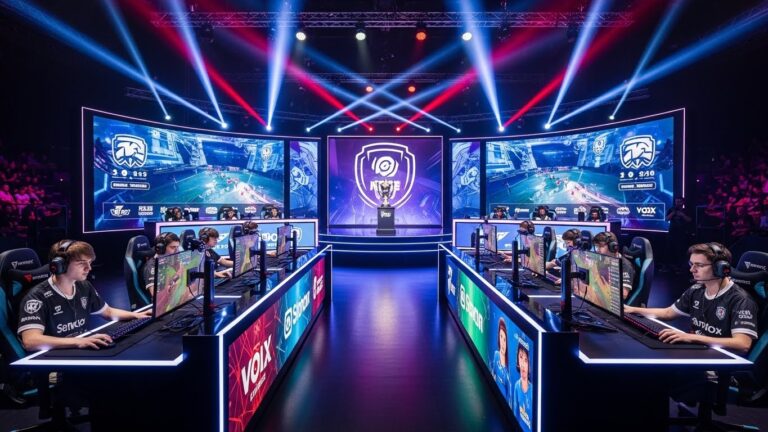
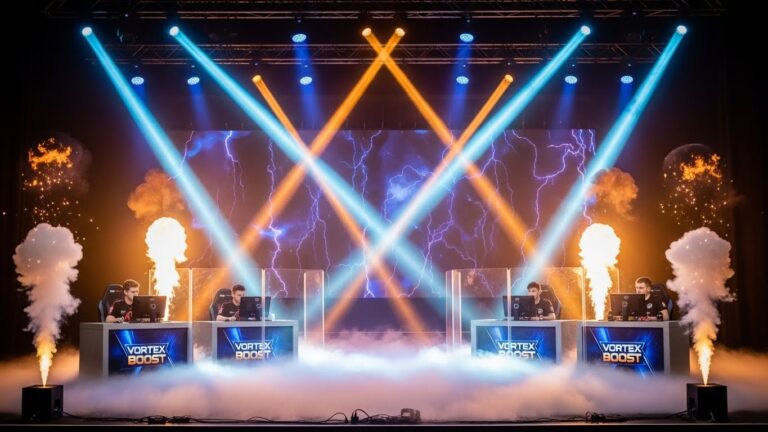
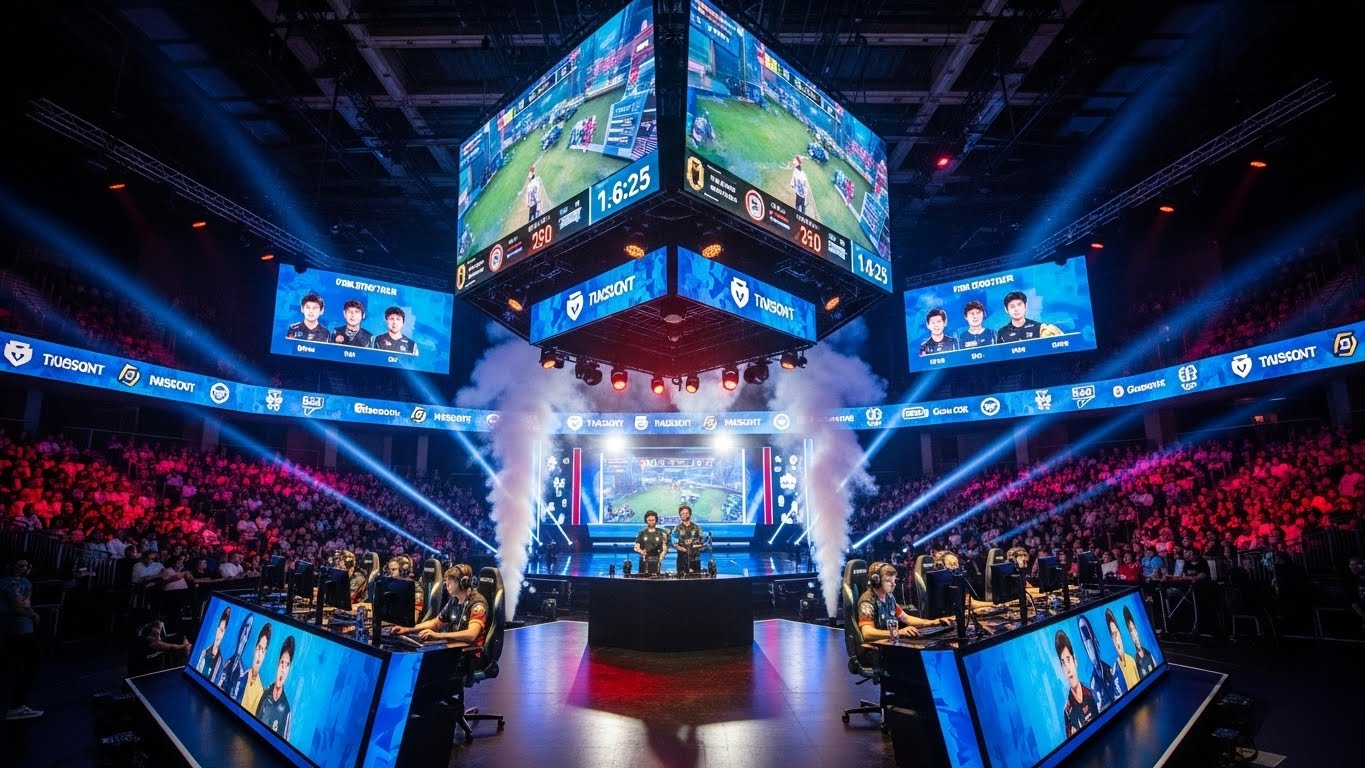
Today, esports tournaments are held in large arenas, with millions of viewers tuning in online to watch players compete for substantial cash prizes, sponsorships, and fame. Games like League of Legends, Dota 2, Fortnite, and Counter-Strike: Global Offensive now feature international leagues, dedicated teams, and professional players who train rigorously, much like athletes in traditional sports. The prize money in these tournaments can exceed millions of dollars, attracting players from all over the world to compete at the highest level.
Esports as a Legitimate Sport
Esports is often met with skepticism, especially by those who view traditional sports as the only true form of athletic competition. However, when we break down the components of esports, it becomes clear that it shares many similarities with conventional sports. Competitive gaming requires intense focus, quick reflexes, strategy, and physical endurance, especially for professional players who must spend hours training and practicing. Just like traditional athletes, esports players experience the pressure of performing in high-stakes situations, often with large audiences watching their every move.
In fact, the level of skill required to play esports at a professional level is comparable to that of athletes in more conventional sports. Professional gamers spend hours honing their craft, analyzing their gameplay, studying their opponents, and working with coaches to refine their skills. Esports also relies heavily on teamwork, as many popular games are team-based, requiring players to communicate and strategize effectively to outmaneuver their opponents.
Moreover, the physical and mental toll that esports players experience is not to be underestimated. Just as traditional athletes must deal with injuries, esports players face issues like repetitive strain injuries, eye strain, and mental fatigue. In recognition of the demanding nature of esports, some universities and sports organizations are now offering scholarships and support for esports athletes, legitimizing the industry as a true sport.
The Global Reach of Esports
One of the most fascinating aspects of esports is its global nature. Unlike traditional sports, which may be more localized or regional, esports transcends national borders. The most popular games in the esports ecosystem have players from all corners of the globe, competing in leagues that are broadcast in multiple languages. This global reach has led to a massive online community, where fans from different cultures interact, share content, and discuss their favorite teams and players.
Esports events, such as The International (Dota 2’s world championship) or the League of Legends World Championship, attract millions of viewers across the globe. These events are not only watched live but are also streamed on platforms like YouTube, Twitch, and Facebook, allowing fans from any country to access and enjoy the action. In addition, major esports organizations, such as Cloud9, Team Liquid, and Fnatic, have international teams that compete in various regions, further reinforcing esports’ global presence. This worldwide appeal has also attracted major sponsors, including tech giants like Intel, Coca-Cola, and Mercedes-Benz, who see esports as a way to connect with younger, tech-savvy consumers.
The Rise of Esports Education
As esports continues to gain mainstream recognition, educational institutions are increasingly offering specialized programs to support aspiring esports professionals. Universities and colleges now provide courses in esports management, game development, broadcasting, and even psychology, reflecting the growing importance of the industry in both the entertainment and business sectors. Some universities have even established esports teams, where students can compete in leagues, earn scholarships, and gain valuable experience in professional esports settings.
In fact, some universities have gone so far as to create full-blown esports arenas, complete with high-end gaming equipment and broadcasting facilities, to give their players the best possible environment to succeed. These developments show that esports is not just a passing trend but a legitimate field that is being integrated into higher education.
Beyond universities, many organizations now offer professional coaching and training for aspiring gamers, with programs designed to help players improve their skills, understand the mental aspects of competition, and prepare for professional careers. The emergence of esports education is proof of the growing recognition of competitive gaming as a legitimate career path, one that requires dedication, hard work, and skill, much like any traditional sport.
Monetization and Business Opportunities in Esports
Esports is not only a form of entertainment, but it is also a booming business. The global esports market is estimated to be worth billions of dollars, with revenue streams coming from a variety of sources, including advertising, sponsorships, ticket sales, streaming platforms, and merchandise. Esports events generate significant revenue, both from broadcasting deals and ticket sales to live events. Major tournaments often fill arenas with thousands of fans, who attend to witness the high-energy competition firsthand. Additionally, millions of fans tune in online to watch the action live or on-demand, making esports an integral part of the digital entertainment ecosystem.
The increasing popularity of esports has also led to the rise of esports organizations, which manage teams, host tournaments, and partner with major brands to bring in sponsorships. These organizations have become central hubs in the esports industry, offering players a platform to compete and grow their personal brands. As with traditional sports teams, esports organizations rely on fan engagement and media coverage to generate revenue and build their reputation.
Esports has also opened doors for new business ventures, such as streaming platforms, gaming hardware manufacturers, and digital media companies. Companies like Twitch, which specialize in live-streaming gaming content, have played an essential role in esports’ growth by offering a dedicated space for gamers and fans to interact and watch content. Esports is now considered one of the most lucrative industries in entertainment, with new business opportunities continuing to emerge as the market expands.
The Impact of Esports on Traditional Sports
While esports is a relatively new phenomenon compared to traditional sports, it has already had a significant impact on the wider sports world. Major sports organizations have begun to recognize the potential of esports and have started to integrate gaming into their operations. For instance, the NBA has launched the NBA 2K League, which allows professional gamers to compete in a virtual version of the basketball game NBA 2K. Other traditional sports leagues, including the Formula 1 and the NFL, have also explored esports partnerships, developing games or supporting existing esports events that feature their franchises.
The integration of esports into traditional sports represents a merging of two worlds—physical and digital—that is likely to continue as technology and entertainment converge. Esports is helping to redefine what it means to be an athlete, allowing people who may not be physically suited for traditional sports to participate in competitive gaming at the highest level.
The Future of Esports
As esports continues to grow, its potential appears limitless. The future of esports looks bright, with new games, technologies, and opportunities for growth constantly emerging. Virtual reality (VR) and augmented reality (AR) are expected to play an increasingly important role in the evolution of esports, offering more immersive experiences for players and fans alike. Additionally, the continued expansion of mobile gaming is likely to create new platforms for competitive play, opening up esports to an even broader audience.
Esports’ growing prominence in the cultural and educational spheres also suggests that it will continue to develop as a legitimate career path for talented gamers. Whether through professional play, broadcasting, coaching, or esports management, the industry offers a wide range of career opportunities. As the infrastructure surrounding esports continues to grow, we can expect even more players, teams, and fans to become involved, further solidifying esports’ place in the global entertainment landscape.
Conclusion: A New Era of Sports
Esports is no longer just a hobby or niche activity; it has evolved into a massive global industry that rivals traditional sports in terms of popularity, revenue, and cultural influence. As the digital world continues to intersect with physical competition, esports will remain at the forefront of this revolution. For those involved in esports—whether as players, coaches, organizers, or fans—the future looks bright. The rise of esports is not just the future of gaming; it is the future of sports in the digital age, offering new opportunities for skill, entertainment, and innovation in ways that were once unimaginable.
About the Author