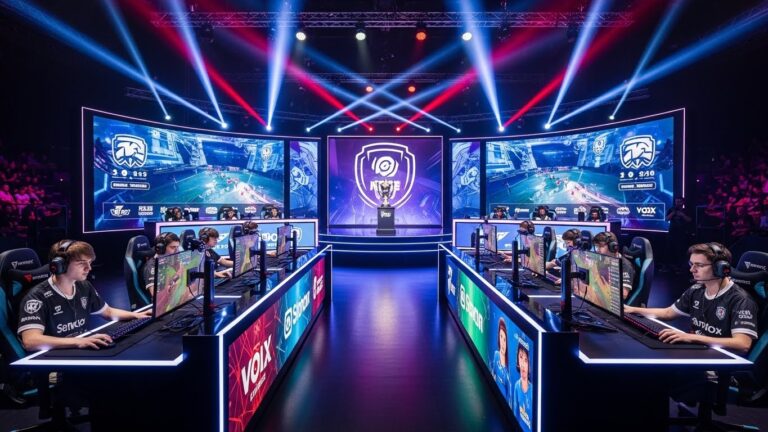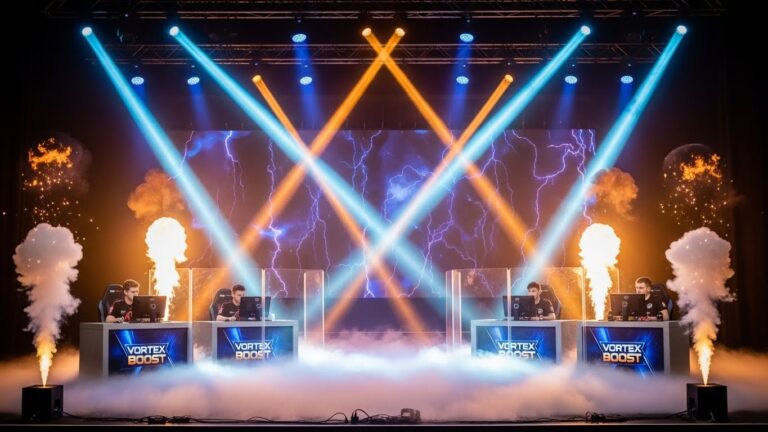
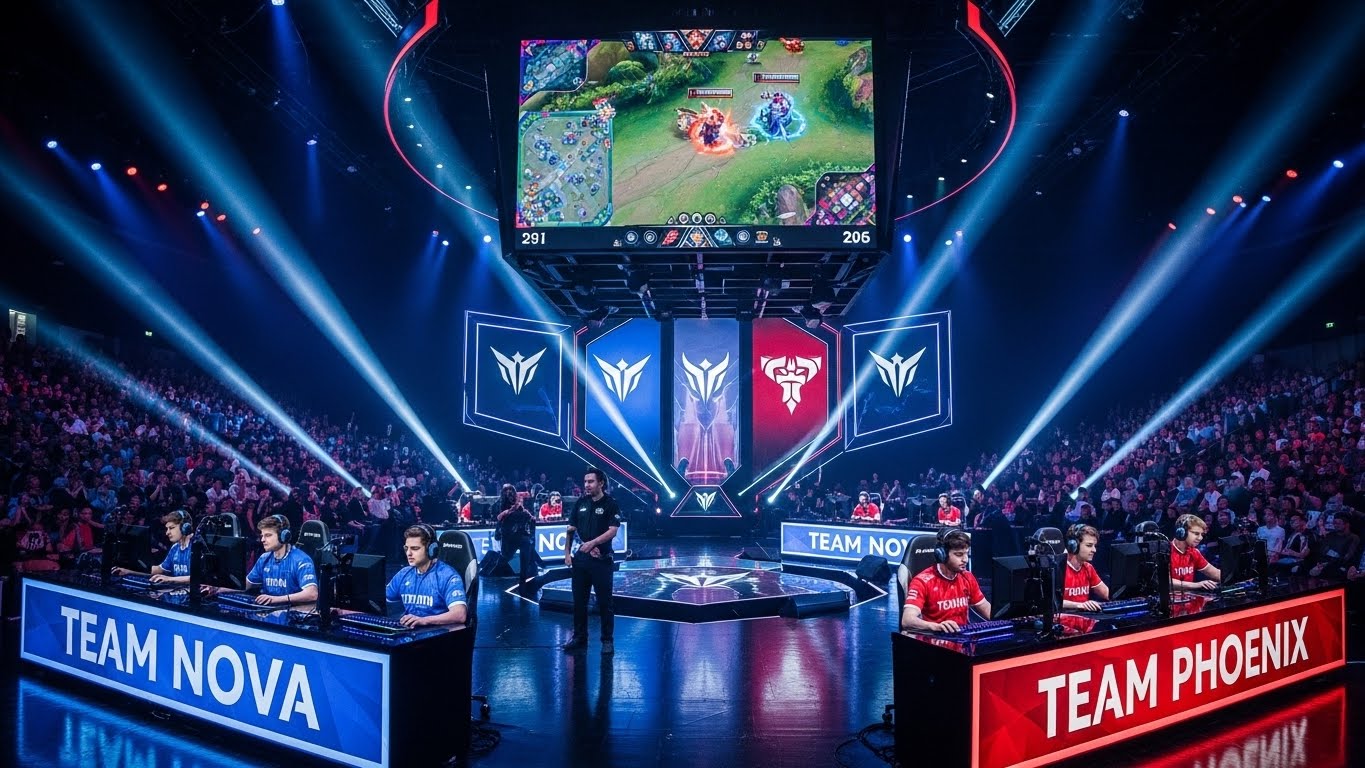
Esports, short for electronic sports, has rapidly transformed from a niche hobby enjoyed by passionate gamers into a global entertainment powerhouse. What once took place in small gaming cafés and living rooms now fills stadiums, attracts millions of online viewers, and generates large prize pools for professional players. Esports has not only changed how people view gaming but also ushered in a new era of digital competition, technological innovation, and career opportunities. As the world becomes increasingly digital, the influence of esports continues to grow at a remarkable pace.
Understanding What Esports Truly Is
Esports refers to organized, competitive video gaming where individuals or teams compete in tournaments for recognition, prizes, and rankings. Just like traditional sports, esports requires skill, practice, teamwork, strategy, and mental resilience. The difference lies in the medium of competition. Instead of playing on fields or courts, players compete on virtual maps, fantasy battlegrounds, or simulated arenas.
Games featured in esports vary widely, including fast-paced shooters, complex strategy games, sports simulations, and multiplayer battle arenas. These games attract millions of players worldwide, creating a massive community of both competitors and fans.
The Early Days of Competitive Gaming
The roots of esports can be traced back to the late twentieth century when gaming competitions were first introduced. Early gaming contests involved high score challenges in arcade games like classic space shooters and platformers. These competitions were modest, often informal, and mostly for fun rather than professional recognition.
With the rise of personal computers and home consoles, more organized tournaments began to emerge. Competitive events in strategy games, fighting games, and first-person shooters gained popularity. These early tournaments laid the groundwork for the organized esports events we see today.
The significant shift occurred when online connectivity became mainstream. Instead of competing locally, players could now face opponents across the world. This new level of accessibility fueled rapid growth and sparked the beginning of global competitions.
Esports Expands into the Mainstream
The modern era of esports began when competitive gaming shifted from small gatherings to professional leagues supported by sponsors, organizations, and fans. Large-scale tournaments began offering significant prize pools, attracting talented players who pursued gaming as a full-time career.
Esports events drew millions of viewers through live broadcasts and online streaming platforms, making competitive gaming more accessible than ever. Fans could watch their favorite players, learn strategies, and engage with the community in real time. This interactivity transformed esports from an isolated activity into a widespread form of entertainment.
Over time, mainstream media, brands, and investors recognized the potential of esports. This recognition led to greater funding, better tournament production, and increased global exposure. Today, esports stands shoulder to shoulder with traditional sports in terms of influence, viewership, and market growth.
Popular Game Genres in Esports
Esports is home to a diverse range of game genres, each with its own competitive structure and fan base. These genres include:
Multiplayer Online Battle Arenas
These games involve teams competing on a battlefield, aiming to destroy the opponent’s base. They require strategic planning, teamwork, and split-second decision-making. This genre is widely recognized for its complexity and massive global audience.
First-Person Shooters
This genre places players in fast-paced environments where accuracy, reflexes, and tactical positioning determine success. Competitive shooter games are known for their intensity and thrilling gameplay, attracting both casual and professional players.
Fighting Games
Fighting games involve direct one-on-one combat, where players must master timing, combos, and character strategies. Competitive fighting game tournaments are known for their high skill ceiling and passionate communities.
Sports Simulation Games
Sports games simulate real-world sports such as football, basketball, and racing. These games attract both gaming fans and fans of traditional sports, creating a unique crossover audience.
Strategy Games
Strategy games require deep planning, resource management, and long-term decision-making. They appeal to players who enjoy mental challenges and complex gameplay mechanics.
The Esports Industry and Its Economic Influence
Esports has grown into a multi-billion-dollar industry. Revenue comes from sponsorships, advertising, merchandise, tournaments, and media rights. Major companies invest in esports teams and events, recognizing the marketing potential of reaching millions of young, tech-savvy fans.
Prize pools for tournaments have grown dramatically, offering life-changing amounts to players who excel. The economic impact extends beyond players and teams. Event organizers, game developers, broadcasters, analysts, coaches, marketers, and countless other professionals contribute to a thriving ecosystem.
The global expansion of esports has also created local economic benefits. Esports arenas, gaming cafés, and fan conventions bring tourism and job opportunities to cities worldwide.
The Skills Behind Professional Gaming
Becoming a professional esports player requires more than just talent. The competitive nature of esports demands discipline, practice, and mental toughness.
Players must develop precise mechanical skills, game knowledge, and strategic thinking. Training often involves long hours of practice, reviewing gameplay, and developing teamwork. Professional players also maintain physical fitness, as reflexes, endurance, and focus are crucial for high-level competition.
Coaches, analysts, and team managers support players by studying opponents, refining strategies, and maintaining team morale. The effort behind esports is comparable to traditional sports, demonstrating that competitive gaming is a serious and demanding discipline.
The Role of Technology in Expanding Esports
Technology is at the heart of esports. Advancements in hardware, software, and connectivity have made competitive gaming more immersive and accessible.
High-performance gaming devices ensure smooth gameplay, while advanced graphics create visually stunning experiences. Fast internet speeds make online competition seamless, enabling players from different countries to compete in real time.
Streaming platforms have also played a pivotal role. They allow fans to watch matches live, follow their favorite players, and engage with the gaming community. This level of accessibility has made esports one of the fastest-growing digital entertainment industries.
Virtual reality and augmented reality are expected to influence the future of esports, potentially creating new competitive genres and immersive experiences that further engage audiences.
Esports as a Social and Cultural Movement
Esports is more than competition; it is a cultural and social movement. Gaming communities celebrate shared interests, teamwork, creativity, and global connection. Fans interact through social media, forums, and online platforms, creating a strong sense of belonging.
Esports has also changed perceptions of gaming. What was once considered a solitary pastime is now recognized as a legitimate profession and respected skill. Educational institutions have introduced esports scholarships, training programs, and academic courses, reflecting its growing importance.
Esports unites people across cultural backgrounds, languages, and countries. It promotes communication, collaboration, and appreciation of diversity in ways few other activities can achieve.
Challenges Facing the Esports Industry
Despite its success, the esports industry faces challenges. Maintaining player well-being is essential, as long training hours can lead to burnout. Ensuring fair competition, preventing cheating, and managing player contracts also require attention.
Regulation is still developing in many regions, leading to inconsistent standards across tournaments and organizations. However, industry leaders and governing bodies are working toward solutions to promote fairness, safety, and long-term sustainability.
The Future of Esports
The future of esports is full of potential. As technology continues to advance, competitive gaming will become even more immersive and expansive. New game genres, better production quality, and enhanced viewer experiences will shape the industry’s next chapter.
Esports may also integrate more deeply with mainstream culture, blending with traditional sports, education, entertainment, and media. With growing global participation, esports will continue to break boundaries and redefine what competition means in the digital age.
Conclusion
Esports has evolved from small competitions among friends to a global cultural and economic phenomenon. It combines the excitement of traditional sports with the innovation of digital entertainment. Through skill, dedication, technology, and community, esports has captured the attention of millions and transformed the world of gaming forever.
As the industry grows, the influence of esports will continue to expand, shaping new futures for players, fans, and digital entertainment. The rise of esports is not just a trend; it is a powerful movement redefining competition, connection, and creativity in the modern world.
About the Author