Introduction
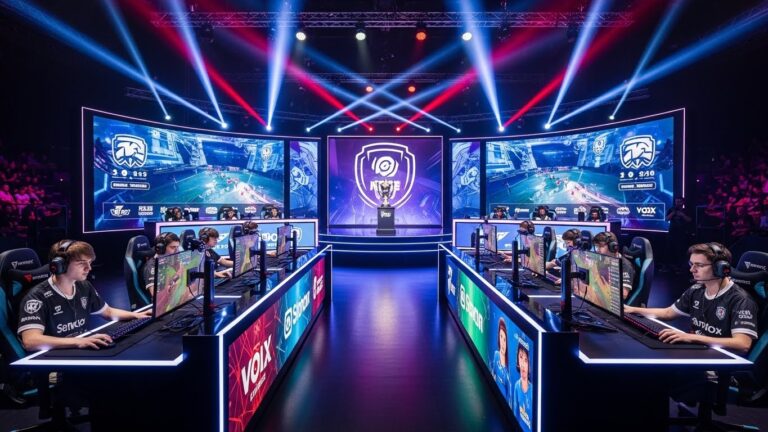
Esports has come a long way from its humble beginnings in basements and local arcades. What once was a niche hobby, largely confined to passionate gamers and small tournaments, has exploded into a massive global industry. Today, esports stands as one of the most influential sectors in the entertainment world, with millions of fans, millions in prize money, and even recognition as a legitimate form of professional competition. It has transformed how we view gaming, blurring the lines between traditional sports and digital competition. Esports is no longer just about playing video games; it’s about the thrill of competition, the excitement of watching skilled players battle in real time, and the communal experience of fans coming together to cheer for their teams.
This blog delves into the evolution of esports, from its origins in grassroots competitions to its rise as a global phenomenon. It will also explore the factors that have contributed to esports’ meteoric growth, its impact on culture and entertainment, and where the industry is headed in the coming years.
The Early Days of Esports: Humble Beginnings
The roots of esports date back to the 1970s and 1980s, when competitive gaming was a simple and often small-scale affair. One of the earliest recognized esports tournaments took place in 1972 with the “Intergalactic Spacewar Olympics,” a competition held at Stanford University featuring the game Spacewar. While this was just a small, campus-based event, it marked the first instance of competitive gaming as we know it today.
The 1980s brought the first commercially successful arcade games like Pong, Pac-Man, and Donkey Kong. These games weren’t competitive in the way modern esports are, but they laid the foundation for gaming culture and introduced the idea of players striving for high scores and personal achievement. Local competitions started popping up in arcades, with players gathering to see who could get the highest score. Still, these were very informal events without the organized structure we associate with esports today.
The real turning point for competitive gaming came in the 1990s. With the growth of online multiplayer games like Quake and StarCraft, gamers were able to compete against each other on a global scale for the first time. This set the stage for organized esports competitions. Tournaments like the Cyberathlete Professional League (CPL) and the World Cyber Games (WCG) provided platforms for professional gaming and began attracting significant attention from sponsors and fans.
The Evolution of Esports: From Niche to Mainstream
Esports entered the mainstream in the early 2000s, largely due to the increasing popularity of online gaming. Warcraft III and Counter-Strike brought the competitive gaming scene to new heights. The creation of dedicated gaming servers and the rise of online platforms like Battle.net and Xfire allowed players from all over the world to connect and compete in real-time.
One of the most important developments during this time was the growth of esports viewership. As broadband internet became more widespread, it allowed fans to watch tournaments and events online. The rise of Twitch, a live streaming platform launched in 2011, played a key role in broadcasting esports to a global audience. For the first time, fans could watch their favorite players compete in real time, follow the tournaments live, and interact with other viewers.
In 2011, the League of Legends World Championship became a breakthrough moment for esports, attracting over 1 million viewers, an impressive figure for its time. The game’s developer, Riot Games, capitalized on the growing interest by organizing annual tournaments with increasing prize pools, further solidifying League of Legends as one of the most influential esports titles in history.
Esports Leagues and Teams: The Professionalization of Gaming
The professionalization of esports has been one of the key drivers behind its rise. As esports grew, so did the need for more structured, competitive leagues. In 2013, the League of Legends Championship Series (LCS) was created, giving top players and teams an official platform to compete in a professional environment. This franchise model—much like that of traditional sports leagues—has been a key factor in transforming esports from a casual hobby into a professional career.
Following the success of the LCS, other games like Overwatch, Call of Duty, and Dota 2 created their own competitive leagues and tournaments. The Overwatch League (OWL), launched in 2018, adopted a city-based franchise system, where teams represented cities much like traditional sports leagues do with teams from major cities such as Los Angeles and Paris.
Esports teams have become more than just a collection of players; they are brands in themselves. Organizations like Cloud9, Team Liquid, Fnatic, and SK Gaming have grown into globally recognized entities, attracting sponsorships from major brands such as Intel, Coca-Cola, and BMW. Esports players, too, have become celebrities in their own right, earning sponsorship deals, streaming contracts, and social media followings that rival traditional athletes.
The Role of Streaming and Online Platforms
The rise of esports streaming platforms has played a critical role in its growth. Twitch, which was acquired by Amazon in 2014, has become the central hub for esports content. The platform allows fans to watch live streams of professional tournaments, as well as casual gameplay from their favorite streamers. Esports events are now broadcast live on Twitch, YouTube Gaming, and Facebook Gaming, drawing millions of viewers from all over the world.
Streaming not only provides fans with access to live competitions but also allows players to monetize their skills. Many professional esports players stream their gameplay regularly, earning revenue from ads, sponsorships, and donations from viewers. This has opened up a new career path for gamers, as streaming has become a lucrative option for those with a strong following.
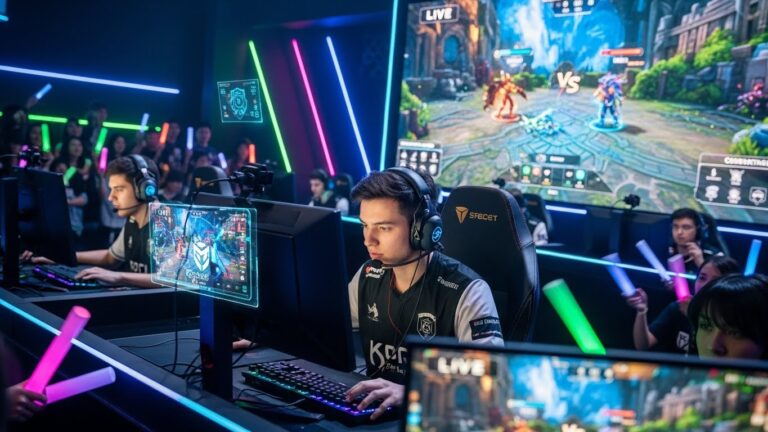
Esports has also helped transform gaming into a spectator sport. The experience of watching esports has become as thrilling as watching traditional sports. Fans cheer for their favorite teams, analyze strategies, and celebrate victories together. The social and interactive nature of esports viewing has brought fans closer to the action, allowing them to feel connected to both players and other viewers.
Esports as a Career Path: The Professional Player’s Journey
One of the most significant shifts in the world of esports has been the emergence of gaming as a viable career. As the industry has grown, so have the opportunities for professional players. While many of today’s esports stars began their careers playing casually, they can now make a living from their passion.
Becoming a professional esports player is not easy, though. It requires dedication, intense practice, and the ability to compete at the highest level. Many players start at a young age, spending hours every day honing their skills. In fact, some top players are in their early 20s, with their prime years occurring while they are still in their teens.
Esports players, much like traditional athletes, also rely on coaches, analysts, and managers to help them improve their gameplay and strategies. Just like in professional sports, players work as part of a team, following a strict training schedule and studying their opponents. The lifestyle of a professional esports player is demanding, but for those who make it, the rewards are substantial.
Esports as a Global Entertainment Industry
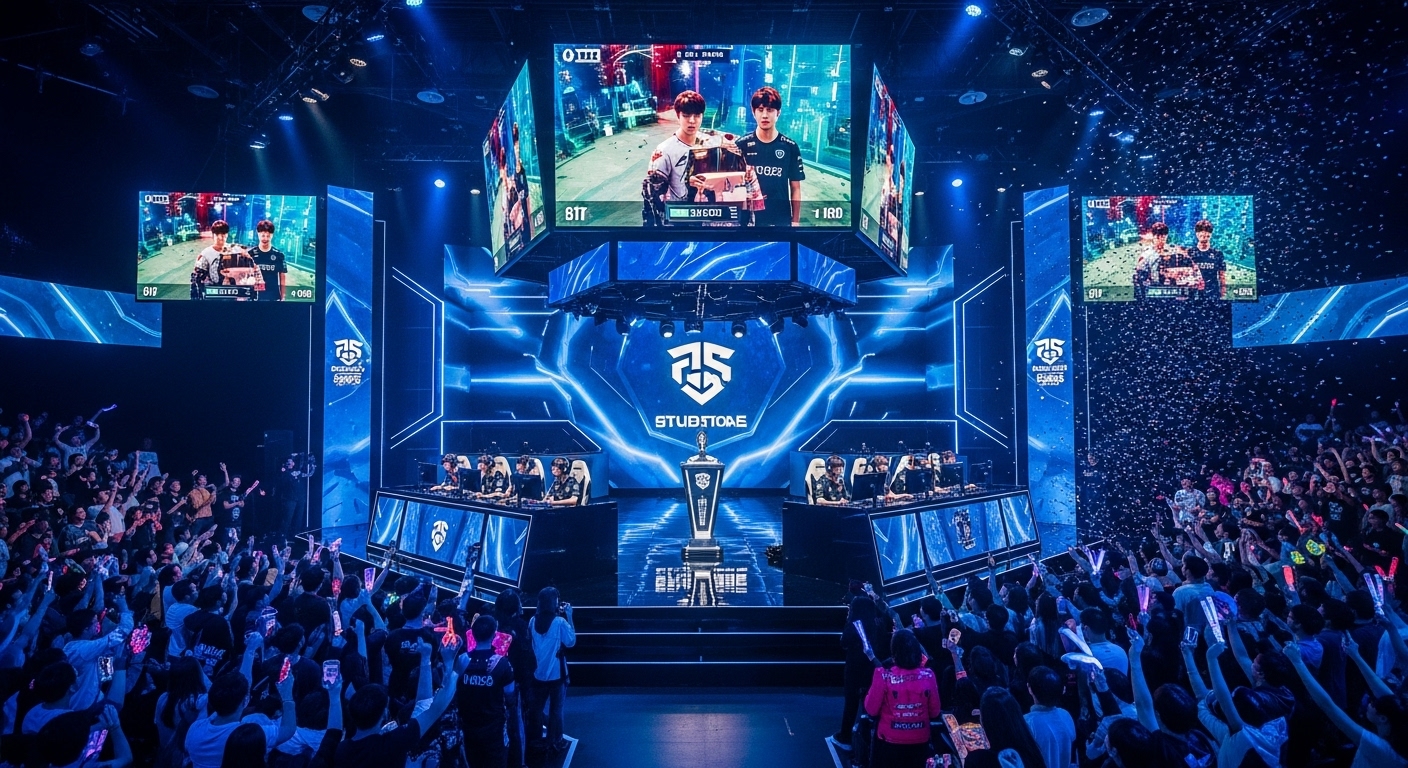
Esports has transcended the world of gaming to become a global entertainment phenomenon. Major esports tournaments such as The International (Dota 2), League of Legends World Championship, and CS:GO Major Championships now attract millions of viewers, both online and in person. These events are broadcast on TV networks, covered by mainstream media, and streamed online, reaching audiences that rival those of traditional sports events.
Esports has also given rise to a new form of entertainment. Esports tournaments are often paired with entertainment segments, including live performances, celebrity appearances, and interactive fan experiences. The spectacle of these events, often held in massive arenas or even stadiums, adds to the excitement and draws in new fans.
The global nature of esports also means that it reaches diverse audiences. Players and fans from all corners of the globe, including North America, Europe, Asia, and Latin America, are united by their love for competitive gaming. This international appeal has made esports an integral part of global pop culture, with millions of fans worldwide tuning in to watch the most prestigious events.
The Future of Esports: Where is the Industry Headed?
The future of esports looks incredibly bright. As technology advances, so too will the experiences offered by competitive gaming. Virtual reality (VR) and augmented reality (AR) are expected to play a significant role in the next phase of esports, offering even more immersive experiences for both players and viewers. Imagine watching an esports match in VR, feeling like you are actually in the arena with the players.
Mobile gaming is also expected to play a larger role in the future of esports. Mobile esports, with games like PUBG Mobile, Arena of Valor, and Clash Royale, has already gained significant popularity. As mobile technology continues to improve, the accessibility of esports will only increase, allowing more people to compete and watch from anywhere in the world.
The possibility of esports being included in global events like the Olympics is also on the horizon. With esports’ growing mainstream acceptance, it’s only a matter of time before it becomes an official Olympic sport, bridging the gap between digital and traditional athleticism.
Conclusion
Esports has come a long way from its early days in arcades and basements. What began as a niche hobby has grown into a global industry with millions of fans, professional players, and billions of dollars in revenue. Today, esports is recognized as a legitimate form of competition, entertainment, and culture. It has redefined the way we think about gaming and sports, blending digital competition
About the Author