
Introduction
In the modern era, competition has expanded beyond traditional sports into the digital realm. Esports, or competitive video gaming, has transformed from a niche hobby into a global phenomenon. Today, millions of people follow professional tournaments, invest in esports organizations, and watch their favorite players compete on the world stage. Unlike conventional sports, esports combines skill, strategy, teamwork, and reflexes with cutting-edge technology, creating a unique form of entertainment that bridges gaming and athletic competition.
The rise of esports is remarkable. What began as casual competitions among friends and local communities has grown into a multi-billion-dollar industry with professional players, major sponsorships, and live-streamed events that attract audiences in the millions. This blog explores the origins of esports, the structure of the professional ecosystem, its cultural and economic impact, the role of technology, and the challenges and opportunities the industry faces in the future.
The Origins of Competitive Gaming
The history of esports can be traced back to the early 1970s. One of the first recorded video game competitions took place at Stanford University in 1972, where students played the game Spacewar. Although the prize was modest, the concept of organized competition for gaming skill laid the groundwork for what would become esports.
During the 1980s, arcade culture flourished. Games like Pac-Man, Donkey Kong, and Galaga became central to competitive play. High-score tables turned local arcades into arenas of rivalry, and players sought recognition within their communities. These early competitions may have been informal, but they established the competitive spirit that would later drive professional esports.
The 1990s introduced a technological revolution with personal computers and the internet. Multiplayer games such as Quake, StarCraft, and Warcraft allowed players to compete across cities and continents. LAN parties, where players gathered to play together in person, became popular and helped formalize tournament structures. This period laid the foundation for organized competitive gaming, bridging casual play with professional aspirations.
The Emergence of Professional Esports
The early 2000s marked the professionalization of esports. South Korea became a global leader in competitive gaming, particularly with the rise of StarCraft. Television channels broadcast matches, players earned salaries and sponsorships, and gaming became a legitimate career path.
International tournaments also gained prominence. Events like the World Cyber Games, Major League Gaming, and Electronic Sports World Cup brought global attention to competitive gaming. Titles such as Counter-Strike, Warcraft III, and Dota 2 became staples of professional circuits. Online streaming further expanded the audience, allowing fans worldwide to follow live matches and engage with the gaming community.
Streaming platforms such as Twitch and YouTube Gaming played a pivotal role in making esports accessible. Fans could watch tournaments in real time, interact with commentators, and join global communities centered on competitive gaming. This level of engagement transformed esports into a mainstream form of entertainment, elevating the industry to a level comparable to traditional sports.
The Structure of the Esports Ecosystem
The professional esports ecosystem is complex and multifaceted. It includes players, teams, coaches, analysts, tournament organizers, sponsors, and fans. Professional players adhere to rigorous training schedules, often practicing eight to twelve hours daily to maintain peak performance. Esports requires not only technical skill but also mental endurance, teamwork, and strategic thinking.
Teams operate similarly to sports franchises. Organizations such as Team Liquid, Cloud9, Fnatic, and T1 manage multiple rosters, sponsorships, and fan engagement. Coaches and analysts review gameplay data to optimize strategies, while nutritionists and psychologists ensure players maintain physical and mental health.
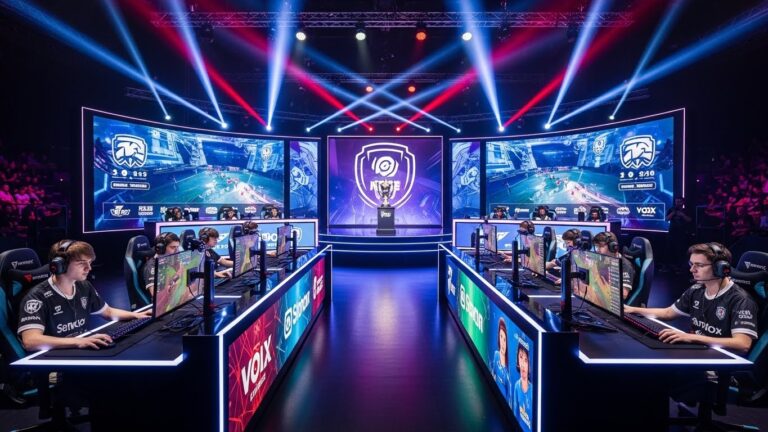
Tournaments and leagues provide structure to the competitive environment. High-profile events like the League of Legends World Championship, Dota 2 International, and Counter-Strike Majors draw millions of online viewers and thousands of live spectators. City-based franchise leagues such as the Overwatch League foster fan loyalty and replicate the traditional sports model, blending esports with established sports entertainment practices.
Streaming, Content Creation, and Fan Engagement
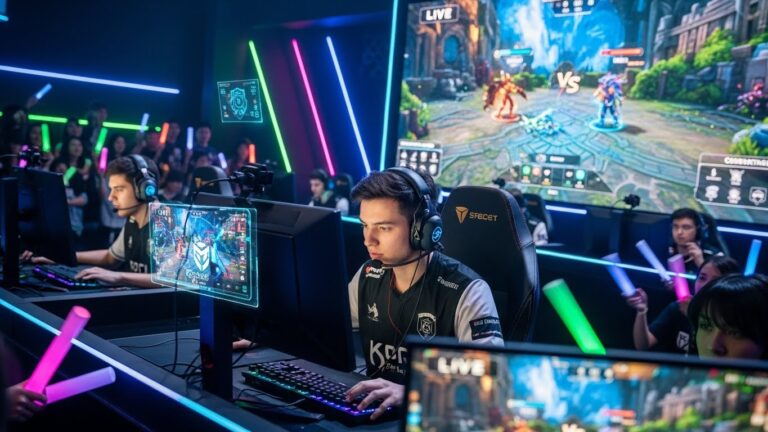
Streaming has been central to the growth of esports. Platforms allow fans to watch live matches, communicate with commentators, and engage with other viewers, creating a sense of community and immersion. Fans are no longer passive spectators; they participate actively in shaping the culture surrounding esports.
Content creation extends beyond live competitions. Players and teams produce tutorials, highlights, behind-the-scenes footage, and personal commentary, building their brand and fostering fan loyalty. This dual role as both competitor and entertainer distinguishes esports from traditional sports, creating a unique ecosystem where players can thrive professionally and culturally.
Monetization through subscriptions, donations, and sponsorships enables players to earn income while cultivating an audience. Streaming allows for continuous engagement beyond tournaments, sustaining fan interest and expanding the reach of esports globally.
Economic Impact of Esports
Esports has become a multi-billion-dollar industry. Revenue streams include sponsorships, advertising, media rights, merchandise, and ticket sales. The industry attracts investment from traditional sports organizations, technology companies, and global brands eager to access esports’ diverse and engaged audience.
Prize pools in esports have reached extraordinary levels. The Dota 2 International, for example, has offered over forty million dollars in a single year. Beyond players, the industry supports thousands of professionals working in broadcasting, marketing, event management, and software development, demonstrating its substantial economic footprint worldwide.
Cultural Influence and Global Expansion
Esports transcends geographical and social boundaries. While countries like South Korea, China, the United States, and Sweden have historically led competitive gaming, emerging regions in Southeast Asia, Latin America, and the Middle East are growing rapidly. Esports connects players and fans globally, fostering communities that share common interests, strategies, and cultural experiences.
The influence of esports extends into music, fashion, and entertainment. Musicians perform at tournament finals, gaming-inspired apparel is marketed globally, and celebrities invest in esports teams. Tournaments resemble cultural festivals with interactive fan experiences, showcasing esports as a hybrid of sports, entertainment, and lifestyle.
Mental and Psychological Demands
Success in esports demands mental resilience as much as technical skill. Players face high-pressure environments where split-second decisions can determine the outcome of significant competitions. Cognitive demands include rapid decision-making, teamwork coordination, strategy formulation, and sustained focus.
Teams increasingly employ sports psychologists to help players manage stress, improve focus, and prevent burnout. Mental health initiatives emphasize that emotional resilience is critical for long-term performance, highlighting the unique pressures faced by esports professionals.
Women in Esports
Historically, esports has been male-dominated, but the landscape is changing. Women are increasingly visible as professional players, commentators, and organizational leaders. Figures such as Sasha “Scarlett” Hostyn and Se-yeon “Geguri” Kim demonstrate that skill transcends gender and inspire aspiring female gamers.
Organizations are promoting inclusivity through women-focused tournaments, mentorship programs, and community initiatives. Greater representation strengthens the industry, creating opportunities for a more diverse audience and fostering equity within competitive gaming.
Esports in Education
Esports has found a place in educational institutions. Universities offer scholarships to talented players and programs in esports management, broadcasting, and marketing. High schools also establish esports clubs to provide structured competitive experiences.
Participation in esports develops transferable skills such as leadership, communication, teamwork, and critical thinking. These abilities are valuable in broader professional contexts, underscoring esports’ potential as both a career pathway and educational tool.
Challenges Facing the Industry
Despite its growth, esports faces challenges. Player burnout is common due to long hours of practice and high-pressure competition. Regulatory inconsistencies across games and regions affect player contracts, rights, and tournament standards.
Sustainability is a concern, as games can rise and fall in popularity rapidly, impacting teams and fan engagement. Toxic behavior and online harassment persist, requiring robust moderation and community management to ensure safe and inclusive environments.
Esports and Traditional Sports
Esports and traditional sports are increasingly connected. Professional sports organizations invest in esports teams or host competitive gaming events. Examples include the NBA 2K League, Formula 1 esports competitions, and football clubs entering esports.
Esports shares values with traditional sports, including teamwork, strategy, dedication, and audience engagement. Collaboration between these industries enhances entertainment experiences, attracts new audiences, and fosters innovation in fan interaction and event production.
Technological Innovations Driving Esports
Technology underpins esports. High-performance hardware, low-latency internet, virtual reality, augmented reality, and artificial intelligence enhance gameplay and spectator experiences. AI is used for performance analysis, coaching, and cheat detection, while VR and AR create immersive viewing experiences.
Emerging technologies like blockchain may revolutionize esports by securing digital assets, contracts, and tournament logistics. Interactive platforms could allow fans to participate virtually, providing unprecedented engagement. The future of esports is tightly linked to technological advancement.
Social and Cultural Significance
Esports has reshaped social interaction and digital culture. It connects people across the globe, fostering communities built on shared interests. Fans follow players, teams, and tournaments, forming identities and networks that transcend borders.
Beyond gaming, esports has influenced fashion, music, and media. Gaming has become a lifestyle, inspiring creativity and shaping cultural trends. Esports empowers youth, promotes digital literacy, and validates gaming as a respected pursuit, contributing to broader societal recognition of digital skills.
The Future of Esports
The future of esports is full of promise. Advancements in technology will enhance player performance, fan engagement, and immersive experiences. Global expansion will create opportunities in emerging markets, while integration with education and mainstream entertainment will solidify legitimacy and influence.
Esports represents a new model of competition where creativity, skill, technology, and community converge. Its growth will continue to redefine how people compete, connect, and engage with entertainment in the digital era.
Conclusion
Esports has grown from humble beginnings in local gaming communities to a global phenomenon with professional players, major tournaments, and a massive cultural footprint. Players are not merely gamers; they are digital athletes, entertainers, and influencers. The industry has created a structured ecosystem, influenced culture worldwide, and generated substantial economic impact.
Esports is more than a game. It is a cultural movement, a career pathway, and a glimpse into the future of global competition. Beyond the screen, it symbolizes human creativity, passion, and resilience. The digital arena has arrived, and its influence will continue to expand, shaping the landscape of competition and entertainment for generations to come.
About the Author