
Introduction: From Basement Battles to Global Arenas
A few decades ago, video games were often dismissed as a pastime for children or hobbyists. Few could have predicted that they would evolve into one of the most dynamic, profitable, and culturally significant industries in the world. Today, Esports—short for electronic sports—represents a global phenomenon where professional gamers, teams, and entire organizations compete in structured tournaments watched by millions of fans. It is no longer a niche interest but a mainstream spectacle that rivals traditional sports in viewership, sponsorship, and prestige.
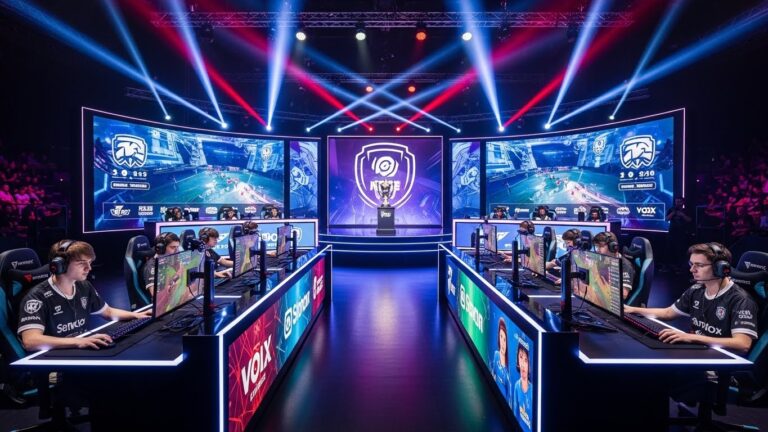
Esports has grown from simple local competitions to massive international tournaments filling entire stadiums. Games like League of Legends, Counter-Strike: Global Offensive, Dota 2, and Fortnite have become cultural icons, shaping not only how we play but how we perceive competition itself. The rise of Esports has created new professions, from coaches and analysts to broadcasters, event organizers, and even lawyers specializing in digital entertainment. What was once seen as a subculture has become an industry worth billions of dollars, influencing entertainment, education, and technology alike.
The Origins of Competitive Gaming
To understand Esports, one must trace its origins back to the early days of video gaming. The first notable competitive gaming event is often credited to a 1972 Spacewar! tournament at Stanford University. The prize? A year’s subscription to Rolling Stone magazine. Modest as it was, this event laid the groundwork for what was to come.
In the 1980s, the arcade era brought friendly competition to a wider audience. Games like Pac-Man and Donkey Kong introduced high-score tables that turned casual play into a contest of endurance and skill. Players competed not for money but for recognition and prestige—the glory of seeing one’s initials at the top of the leaderboard.
The real transformation came in the 1990s with the advent of local area network (LAN) gaming. Titles like Doom and Quake popularized multiplayer gaming, and LAN parties became the breeding ground for the first true competitive gaming communities. Around the same time, games such as StarCraft in South Korea gave rise to professional leagues, televised matches, and dedicated fan bases. South Korea became the first nation to truly embrace Esports, establishing infrastructure, teams, and media coverage that would later serve as a model for the world.
The Growth of Esports in the 2000s
The 2000s marked a turning point for Esports. The rapid spread of high-speed internet made online play accessible to millions, connecting players from different continents and enabling truly global competition. Esports began to take on characteristics that mirrored traditional sports: organized leagues, team sponsorships, and large-scale events.
During this period, games like Counter-Strike, Warcraft III, and Halo defined the competitive scene. Esports organizations such as Major League Gaming (MLG) in North America and World Cyber Games (WCG) globally became central to the community. These organizations offered structured tournaments, live broadcasts, and real monetary rewards. For the first time, players could consider gaming not just a passion but a legitimate career.
One of the most influential titles of the decade was Dota, a community-created mod for Warcraft III. Its successor, Dota 2, developed by Valve Corporation, would go on to host The International, one of the most lucrative tournaments in Esports history. Similarly, League of Legends, launched in 2009, introduced a franchised league system that redefined how competitive gaming could be organized and sustained.
By the end of the 2000s, Esports had achieved a new level of legitimacy. Players had agents, teams had sponsors, and millions of fans were tuning in to live streams. The foundation for the modern Esports era was firmly established.
The Explosion of Esports in the 2010s
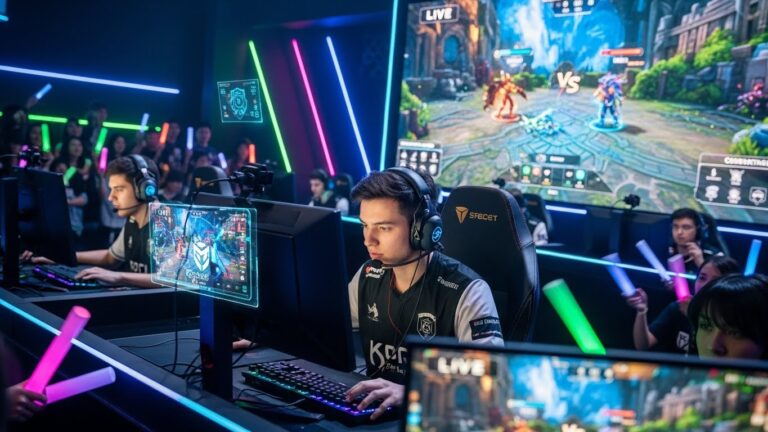
The 2010s were the decade Esports truly went mainstream. Streaming platforms, particularly Twitch, revolutionized the way audiences consumed gaming content. Fans could now watch their favorite players and teams live from anywhere in the world. The accessibility and interactivity of streaming transformed Esports into a participatory experience rather than just a spectator sport.
Major tournaments began drawing audiences comparable to traditional sporting events. The League of Legends World Championship, The International, and Fortnite World Cup attracted tens of millions of viewers. Prize pools skyrocketed, sometimes exceeding tens of millions of dollars. Players became celebrities, with massive fan followings and lucrative endorsement deals.
In addition to growth in viewership, Esports also expanded in structure and professionalism. Franchised leagues such as the Overwatch League and Call of Duty League introduced city-based teams, mirroring the model of the NBA or NFL. This structure helped establish local fan communities and long-term sustainability for teams and organizations.
Traditional sports franchises also began investing heavily in Esports. NBA teams, European football clubs, and even Formula One organizations started forming or sponsoring Esports teams. This crossover further legitimized the industry and created new opportunities for collaboration between physical and digital sports.
The Esports Ecosystem: Players, Teams, and Beyond
Esports is much more than just players and games. It is a complex ecosystem involving multiple stakeholders, each contributing to the industry’s growth and stability.
Players and Teams
Professional Esports players dedicate countless hours to perfecting their craft. They undergo rigorous training regimens, including strategic planning, team coordination, and physical wellness programs. Top players are not just gamers; they are athletes in every sense—disciplined, competitive, and constantly striving for improvement.
Teams, on the other hand, function like professional sports franchises. They hire coaches, analysts, and support staff. Many operate training facilities where players live and practice together. The emphasis on teamwork, communication, and psychological resilience mirrors that of any traditional athletic team.
Organizers and Developers
Game developers play a vital role in shaping the Esports landscape. They design competitive structures, manage balance updates, and often host major tournaments. Companies like Riot Games, Blizzard Entertainment, and Valve have become synonymous with Esports excellence due to their continued investment in competitive play.
Third-party organizers also contribute by hosting independent tournaments, leagues, and events. These organizations bridge the gap between the community and the professional scene, ensuring that talent pipelines remain open for new players to rise.
Media and Broadcasting
Esports broadcasting has become an art form in itself. Professional casters, analysts, and production crews bring the excitement of competition to audiences worldwide. Esports commentary has its own style, blending deep game knowledge with the enthusiasm of live sports broadcasting. Production quality has reached remarkable levels, with cinematic camera angles, instant replays, and real-time statistics.
Sponsors and Advertisers
Corporate sponsorships have become one of the primary sources of income for Esports teams and events. Global brands recognize the marketing potential of Esports due to its young, tech-savvy audience. From energy drinks and gaming peripherals to car manufacturers and financial institutions, a diverse range of companies have entered the space, fueling further growth.
The Cultural Impact of Esports
Esports has reshaped modern entertainment culture. It has blurred the lines between sports, media, and technology, creating a unique cultural identity that appeals to younger generations.
A New Kind of Celebrity
Professional gamers are the new-age celebrities. With millions of followers on social media platforms, they wield influence comparable to that of movie stars or musicians. Streamers and content creators have built personal brands that extend beyond the games they play, creating communities centered around authenticity and interaction rather than traditional media gatekeeping.
Representation and Inclusivity
While Esports has faced criticism for lack of diversity in its early years, the landscape is gradually changing. Initiatives promoting gender diversity, accessibility, and global inclusion are helping to make competitive gaming more representative of the diverse gaming population. Women’s tournaments, inclusive leagues, and mentorship programs are opening new opportunities for underrepresented players.
Shaping Youth Identity
For younger generations, Esports represents both aspiration and identity. It teaches teamwork, strategic thinking, and perseverance. Schools and universities now offer Esports scholarships, acknowledging the discipline as both an academic and athletic pursuit. Esports clubs are becoming as common as football or basketball teams in educational institutions.
The Economic Powerhouse of Esports
The financial growth of Esports has been staggering. The industry’s value has reached billions of dollars globally, supported by sponsorships, advertising, media rights, ticket sales, and merchandise. Major tournaments rival traditional sports in prize pools, while Esports organizations attract venture capital and corporate investment.
Revenue Streams
The main sources of Esports revenue include sponsorship deals, media rights, advertising, merchandising, and live events. Streaming platforms also contribute significantly through subscriptions and donations. Teams generate income through sponsorships and partnerships, while players earn through salaries, winnings, and personal endorsements.
Job Creation
Beyond players, the Esports industry has created a vast network of careers. Event managers, production specialists, marketers, journalists, designers, and software engineers all play roles in supporting the Esports infrastructure. The industry has also spurred development in related sectors, such as gaming hardware, broadcasting technology, and data analytics.
Global Reach
Esports is not bound by geography. Unlike traditional sports that require physical presence, Esports thrives in the digital space. Countries like South Korea, China, the United States, and Sweden have become powerhouses, but emerging markets in the Middle East, South America, and Africa are now rapidly expanding their Esports ecosystems.
Challenges Facing the Esports Industry
Despite its success, Esports faces several challenges that threaten to slow or complicate its growth.
Player Burnout
The intense demands of competitive gaming can lead to physical and mental exhaustion. Long practice hours, pressure to perform, and constant travel can take a toll on players’ health. Many retire in their early twenties, highlighting the need for better wellness support and sustainable schedules.
Regulation and Governance
Unlike traditional sports with unified governing bodies, Esports is fragmented. Each game is controlled by its developer, leading to inconsistencies in rules, contracts, and tournament standards. The industry continues to debate the creation of universal regulations to protect players’ rights and ensure fair competition.
Cheating and Integrity
Issues such as cheating, match-fixing, and illegal betting have occasionally tarnished Esports’ reputation. Maintaining competitive integrity is an ongoing challenge, requiring robust anti-cheat systems and strict enforcement measures.
Representation and Diversity
While progress has been made, Esports still struggles with inclusivity and representation. Toxic behavior, harassment, and lack of diversity in leadership roles remain pressing concerns. Addressing these issues is essential for long-term sustainability and credibility.
The Role of Technology in Esports
Technology is the lifeblood of Esports. Advances in hardware, software, and network infrastructure continue to push the boundaries of competitive gaming.
Streaming and Cloud Services
Cloud-based gaming and streaming platforms have democratized Esports access. High-definition broadcasts, instant replays, and interactive viewing features allow fans to experience the action like never before. As internet speeds improve globally, streaming will continue to expand Esports audiences.
Virtual Reality and Augmented Reality
Emerging technologies like virtual reality (VR) and augmented reality (AR) promise to redefine Esports experiences. Imagine spectators viewing matches from a virtual arena or players competing in immersive digital environments. These innovations could create entirely new genres of competition.
Artificial Intelligence and Data Analytics
AI and data analytics are transforming coaching and performance evaluation. Teams analyze massive amounts of gameplay data to identify strengths, weaknesses, and optimal strategies. Machine learning tools help predict opponent behavior, refine tactics, and enhance decision-making.
Esports and Education
An unexpected yet transformative development has been the integration of Esports into education. Schools, colleges, and universities across the world are embracing competitive gaming as part of their extracurricular and academic programs.
Esports teaches valuable life skills such as teamwork, communication, leadership, and critical thinking. Students learn to manage stress, set goals, and work collaboratively under pressure. Moreover, Esports provides career pathways in technology, marketing, and management, aligning with the digital economy’s future demands.
Many institutions now offer Esports scholarships and degrees in game design, Esports management, and broadcasting. This academic recognition reflects how Esports has matured from entertainment to an educational and professional pursuit.
The Future of Esports
Looking ahead, Esports shows no signs of slowing down. The next decade promises innovation, expansion, and deeper integration into mainstream society.
Global Mainstream Acceptance
As younger generations who grew up with gaming take on leadership roles in business and media, Esports will continue gaining legitimacy. Governments and organizations are beginning to recognize Esports as an official sport, offering funding, regulation, and infrastructure support.
Technological Integration
Technological advancements will continue shaping Esports. From AI-driven coaching tools to blockchain-based digital ownership of items and achievements, the landscape will evolve rapidly. The line between player and spectator will blur further as interactive platforms allow fans to participate in new ways.
Cross-Industry Collaboration
The intersection of Esports with music, film, fashion, and other industries will continue to expand. Celebrity collaborations, virtual concerts within games, and branded digital merchandise will deepen Esports’ influence on global culture.
Conclusion: The Legacy of a Digital Revolution
Esports is more than a form of entertainment—it is a testament to the power of technology, creativity, and human competition. In just a few decades, it has transformed from small gatherings of enthusiasts to a multibillion-dollar global spectacle. It unites people across continents, languages, and cultures, celebrating skill, strategy, and passion.
As technology advances and society becomes increasingly digital, Esports stands at the forefront of this transformation. It represents not only the future of gaming but also the evolution of how humanity experiences competition, connection, and culture. Whether in stadiums filled with cheering fans or online arenas connecting millions, Esports has proven one thing beyond doubt: the spirit of competition transcends every boundary, physical or digital.
About the Author