Introduction to a New Era of Competitive Entertainment
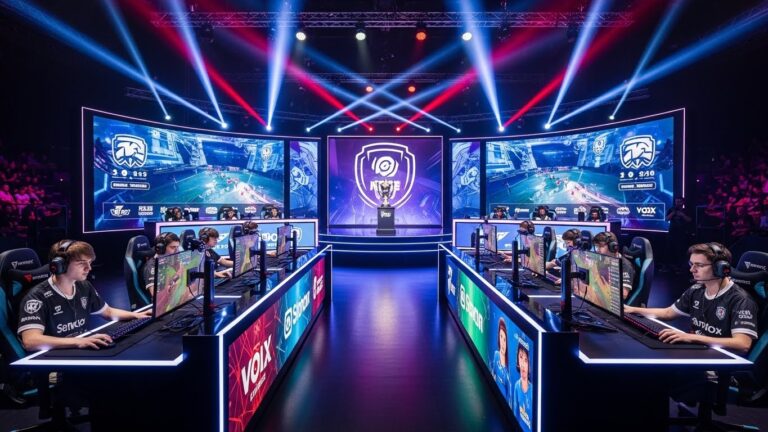
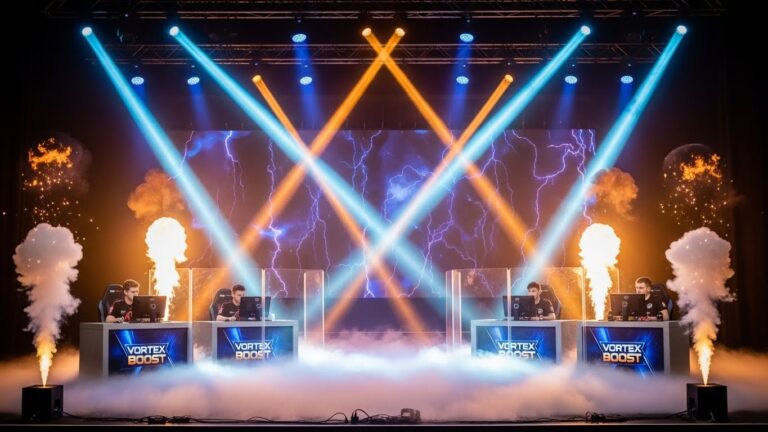
Esports has evolved from a casual hobby to a worldwide competitive sensation, reshaping modern entertainment and attracting millions of fans across the globe. What was once considered a niche pastime is now a professional industry filled with skilled athletes, massive tournaments, and global audiences. With technological advancements, improved connectivity, and increased cultural acceptance, esports has become a major force in the digital age. This new era represents more than just gaming; it symbolizes innovation, community, ambition, and a shifting definition of what competition can be.
The Origins of Esports and Its Early Growth
The story of esports begins in the arcades and living rooms of the late twentieth century. Early gaming tournaments were small, often organized informally among passionate players who wanted to test their skills. Games like Space Invaders, Pac-Man, and Street Fighter became the foundation for organized competitions long before esports became mainstream.
As home computers, consoles, and the internet grew more accessible, competitive gaming transformed into something larger. Local competitions turned into regional tournaments, and eventually into global events. The rise of online multiplayer games in the 1990s and early 2000s brought gamers together from around the world, allowing them to compete without geographical boundaries. This connectivity laid the groundwork for what would become the esports industry we know today.
The Diverse Genres That Shape Esports
Esports is not defined by a single type of game. Instead, it is an ecosystem made up of various genres, each offering its own style, strategy, and competitive intensity.
First-person shooter games demand rapid reflexes and precise aim. Multiplayer battle arena games require deep strategic thinking and teamwork. Real-time strategy games focus on resource management and tactical decision-making. Fighting games rely on timing, prediction, and mechanical skill. Sports simulation games recreate real-world sports for digital competition.
This diversity gives esports its broad appeal. Players of all backgrounds can find a genre that resonates with their skills and interests. Likewise, fans can choose from many forms of digital competition, just as traditional sports offer choices like football, basketball, tennis, and racing.
The Rise of Professional Esports Athletes
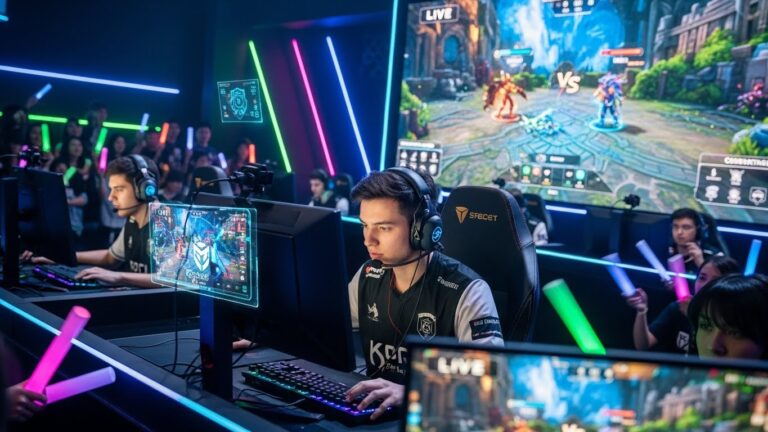
Today’s esports athletes are far from casual gamers. They train extensively, analyze their gameplay, and study opponents with the same dedication seen in traditional sports. A typical professional player spends hours practicing mechanics, developing strategies, and working with coaches to refine their performance.
Mental endurance is just as important as physical coordination. Players must be able to stay focused for long periods, make split-second decisions, and adapt to rapidly changing situations. Many esports pros also maintain strict routines involving exercise, nutrition, and rest to keep their minds sharp and their reactions fast.
As the industry grows, esports athletes are recognized as legitimate competitors, admired by fans and respected for their dedication and talent.
The Importance of Esports Teams and Organizations
In the esports world, teams and organizations play a crucial role in developing and supporting players. These organizations operate much like professional sports clubs, offering structured training, coaching staff, performance analysis, and management support.
Esports teams help players grow individually while building strong collective identities. Fans follow these teams with loyalty, attending events and engaging on social platforms to support their favorite players. Some organizations even operate training facilities where players live and practice together, enhancing teamwork and communication.
The professionalism of esports teams contributes significantly to the industry’s stability and growth, making competitive gaming a viable long-term career for many athletes.
The Technology Powering the Esports Revolution
The rapid rise of esports would not have been possible without modern technology. High-speed internet enables real-time online competition, while advanced gaming hardware ensures smooth, high-performance gameplay. Streaming platforms allow fans to watch matches live, engage with commentators, and follow their favorite teams.
Spectator tools, in-game cameras, and advanced analytics help viewers understand the action, creating an immersive experience similar to watching live sports. Developers continue to improve game engines, graphics, and interfaces to enhance both player performance and audience engagement.
Emerging technologies such as virtual reality and artificial intelligence are expected to shape the future of esports even further. These innovations could lead to new types of competitions, training methods, and viewing experiences.
The Esports Fan Culture and Global Community
Esports is not just about players; it is equally about the fans who support, celebrate, and elevate the competitive scene. Fan culture is one of the most powerful forces driving esports forward. Millions of viewers tune in daily to watch streams, follow tournaments, and engage with gaming personalities.
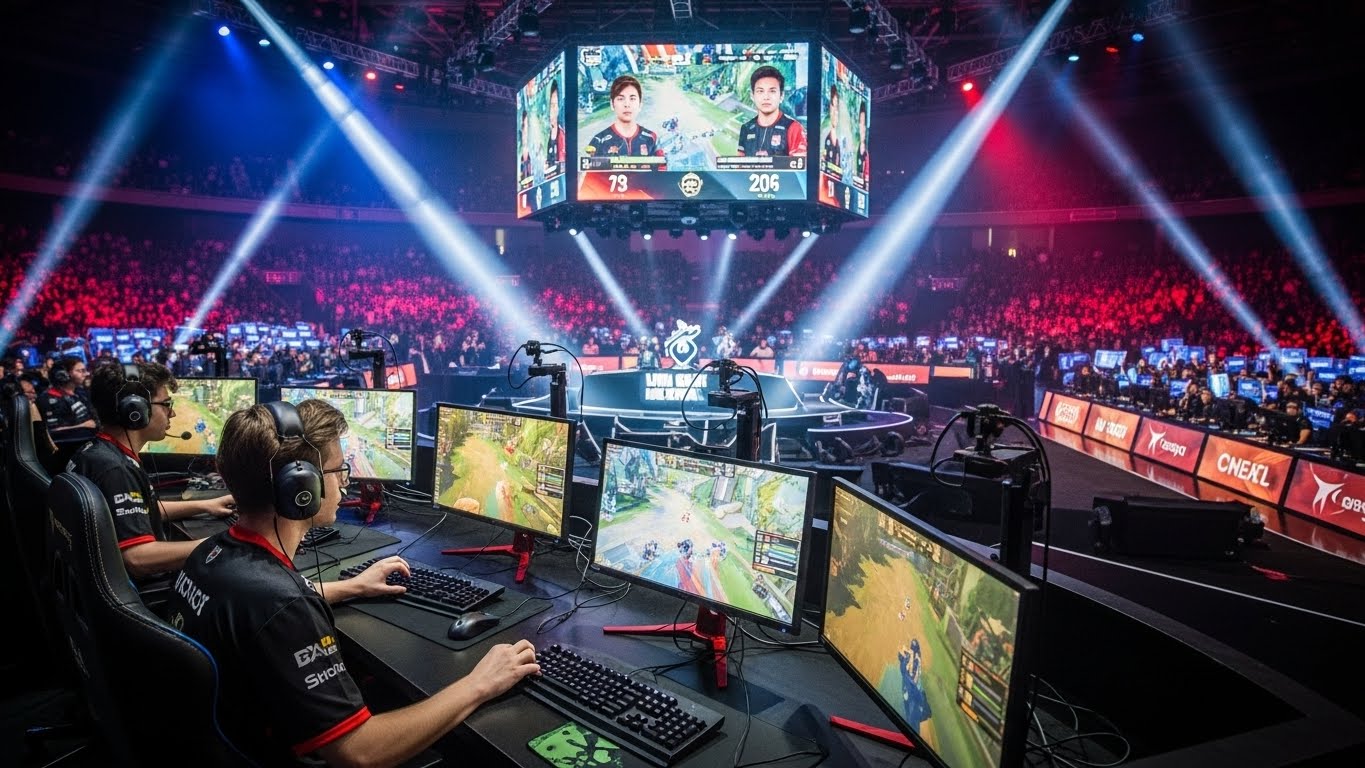
Esports events often draw massive live audiences, filling arenas with cheering fans who create an electrifying atmosphere. The sense of community within esports is strong, with people forming connections based on shared interests, favorite teams, or beloved games.
This global community transcends physical borders, bringing together people from different cultures, languages, and backgrounds. Esports creates a shared digital space where passion, teamwork, and excitement bring individuals together.
The Economic Power of Esports
Esports is no longer merely entertainment; it is a major economic force generating significant revenue across numerous sectors. The industry’s economic strength comes from tournament prize pools, sponsorships, merchandise, media rights, and team investments. Major companies from industries such as technology, energy drinks, fashion, and automotive are now heavily invested in esports.
The ecosystem also provides various career opportunities beyond professional play. Event organizers, analysts, commentators, marketing specialists, production staff, and content creators all contribute to the industry’s growth. The ripple effect of esports extends into hospitality, tourism, and digital media, shaping economies and creating jobs worldwide.
The Social and Cultural Influence of Esports
Esports has become a major cultural movement, influencing entertainment, fashion, media, and lifestyle trends. Professional players often become online personalities, creating content and interacting with fans. Their influence spans social platforms, gaming communities, and mainstream entertainment.
Esports also promotes teamwork, communication, strategic thinking, and perseverance. These values resonate with young audiences, who view esports athletes as role models. The cultural impact of esports continues to expand, shaping modern identity and redefining what it means to be part of a global digital community.
The Mental Demands and Cognitive Benefits of Esports
Competitive gaming challenges both the mind and the reflexes. Esports requires players to maintain high levels of concentration, analyze complex situations, and make lightning-fast decisions. Studies suggest that gaming can improve memory, problem-solving skills, multitasking ability, and hand-eye coordination.
Esports athletes must also develop resilience, emotional control, and stress management. Learning how to stay composed under pressure is crucial for success. These skills can carry over into everyday life, improving mental agility and resilience in various situations.
The Role of Education and Training Programs in Esports
Educational institutions around the world are embracing esports by offering scholarships, courses, and specialized training programs. These programs focus on areas such as esports management, game development, marketing, broadcasting, and competitive strategy.
By integrating esports into academic environments, schools and colleges are preparing students for careers in one of the fastest-growing industries. These initiatives validate esports as a legitimate field of study and help cultivate future professionals who will drive innovation and growth.
Challenges and Issues Facing the Esports Industry
Despite its success, esports faces several challenges. Player burnout is a major concern due to long training hours and intense pressure. Online toxicity, cyberbullying, and cheating also pose threats to the integrity of competitive gaming.
The fast-growing industry also needs standardized regulations regarding player contracts, tournament rules, health guidelines, and ethical practices. Addressing these challenges requires collaboration among developers, organizations, players, and governing bodies to ensure a fair and sustainable ecosystem.
The Future of Esports
The future of esports looks promising, with continuous growth and expanding global recognition. Upcoming technologies like virtual reality, cloud gaming, and artificial intelligence will likely shape new forms of competition. Mobile esports will continue to widen accessibility, allowing more players to participate regardless of location or hardware limitations.
Esports may soon integrate more closely with traditional sports, entertainment, and education, creating hybrid experiences and new opportunities for collaboration. As the industry matures, sustainability, inclusivity, and player welfare will become key focus areas.
Conclusion: Why Esports Is More Than Just a Game
Esports represents a new frontier in human competition and digital entertainment. It blends skill, creativity, teamwork, and innovation into a dynamic industry that continues to evolve at a rapid pace. What began as a simple pastime has transformed into a powerful global movement reshaping culture, technology, and community.
Esports matters because it inspires people to push their limits, connects individuals worldwide, and demonstrates the incredible potential of digital experiences. In a world where technology continues to change how we live and interact, esports stands as a shining example of how passion, talent, and determination can create something extraordinary.
About the Author