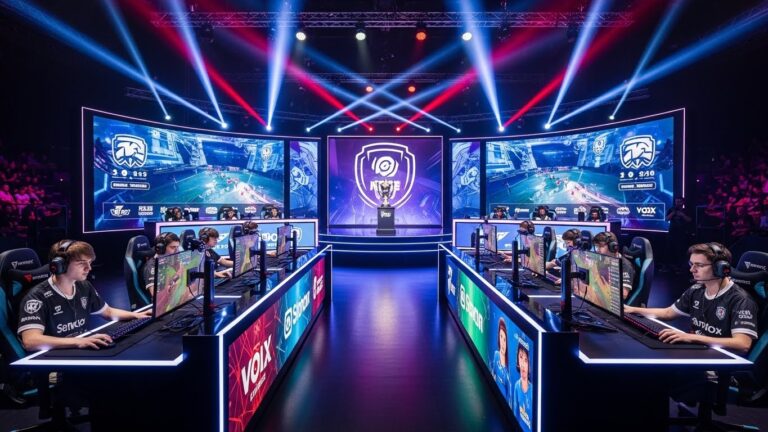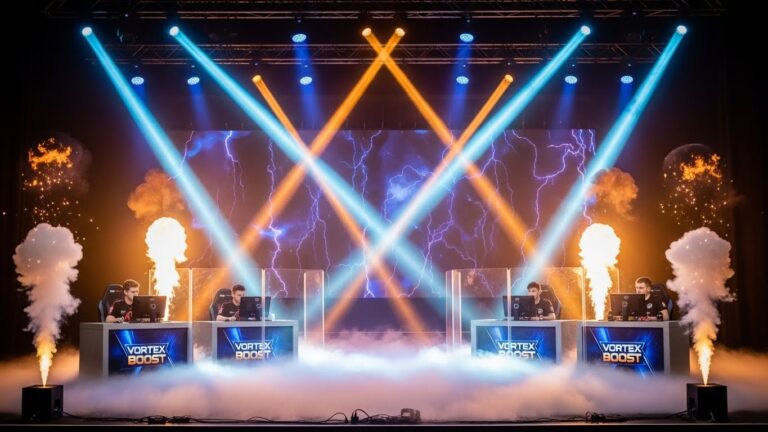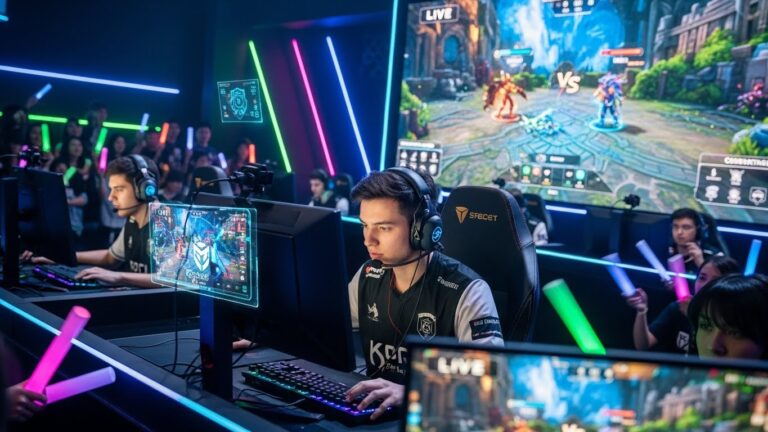
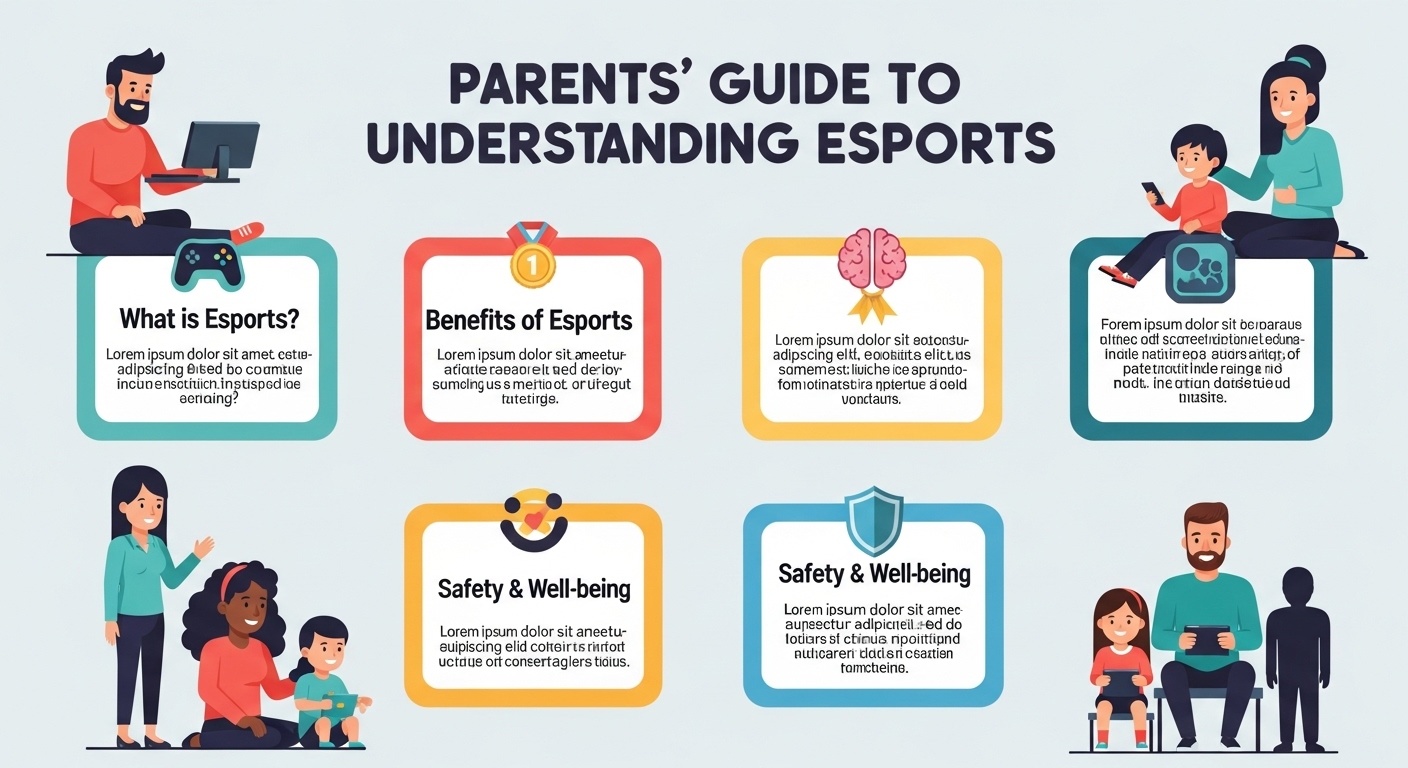
In recent years, esports has shifted from a niche hobby to a global phenomenon. Millions of players, viewers, and fans worldwide now follow competitive video gaming, creating an industry worth billions of dollars. For many parents, this evolution can be confusing. How can video games be a legitimate career path? What is the impact on children’s development, both positively and negatively? And how can parents support their kids without feeling left behind? This guide aims to answer those questions and provide parents with a balanced understanding of the esports ecosystem.
1. What is Esports?
Esports, short for “electronic sports,” refers to organized, competitive video gaming. Unlike casual gaming, which is primarily for entertainment, esports involves structured competitions, professional teams, leagues, and tournaments.
1.1 Types of Esports Games
Esports is not a single type of game—it spans multiple genres, each with its own competitive scene:
- MOBA (Multiplayer Online Battle Arena): Games like League of Legends and Dota 2, where teams work together to destroy the opposing base.
- FPS (First-Person Shooter): Titles like Counter-Strike: Global Offensive and Call of Duty, where players compete in combat-based matches.
- Battle Royale: Games like Fortnite and PUBG, where hundreds of players fight to be the last one standing.
- Sports Simulations: FIFA and NBA 2K simulate real-world sports in a competitive environment.
- Fighting Games: Street Fighter and Super Smash Bros involve one-on-one combat competitions.
1.2 Structure of Esports
Esports operates with a professional framework similar to traditional sports:
- Players: Individuals or teams that compete in tournaments.
- Teams: Organizations that recruit players and manage training, sponsorships, and promotion.
- Leagues & Tournaments: Structured competitions, often global, offering prize money and exposure.
- Streaming & Media: Platforms like Twitch, YouTube, and Kick allow players and teams to broadcast games live, attracting sponsorships and fan followings.
2. Why Esports Matters to Kids
Esports is not just a pastime; it can offer developmental benefits if approached responsibly. Understanding why kids are drawn to it helps parents engage constructively.
2.1 Skill Development
- Cognitive Skills: Strategic thinking, problem-solving, and decision-making are central to esports success.
- Hand-Eye Coordination: Fast reflexes and precise movements are crucial in most competitive games.
- Teamwork & Communication: Many esports games require collaboration and communication, fostering interpersonal skills.
2.2 Social Interaction
For some children, online gaming communities are social lifelines. Players often form close friendships through shared goals and teamwork. For introverted kids, esports can be a safe space to develop social skills.
2.3 Career Opportunities
While still emerging, esports offers legitimate career paths:
- Professional Player: Competing in tournaments worldwide.
- Content Creator/Streamer: Sharing gameplay online for an audience.
- Coaching & Analysis: Teaching strategies or analyzing gameplay for teams.
- Event Management & Marketing: Organizing esports tournaments, handling sponsorships, or managing teams.
3. Common Concerns Parents Have
Despite its potential benefits, parents often worry about gaming. Understanding these concerns is the first step to addressing them.
3.1 Screen Time
Excessive screen time can impact sleep, physical activity, and eye health. Experts recommend balancing gaming with other activities, like exercise, reading, and family time.
3.2 Violence in Games
Some games involve combat or violence, which can be concerning. However, research suggests that context matters—structured competitive gaming is often less harmful than passive exposure to violent media.
3.3 Academic Performance
Time management is critical. Children who prioritize gaming over school may struggle academically. Parents can help by setting schedules and encouraging goal-setting.
3.4 Social Isolation
While online friendships can be positive, excessive gaming can lead to isolation. Ensuring children maintain offline relationships is important for holistic development.
4. How to Support Your Child in Esports
Supporting a child in esports doesn’t mean becoming a professional gamer yourself. Instead, parents can create a healthy and balanced environment.
4.1 Learn About the Games
Understanding the games your child plays shows respect for their interests and allows for informed discussions. Even a basic knowledge of game mechanics, teams, and tournaments can foster meaningful conversations.
4.2 Encourage Healthy Habits
- Set Screen Time Limits: Balance gaming with schoolwork, chores, and physical activity.
- Promote Physical Health: Encourage exercise, proper posture, and eye breaks.
- Sleep Hygiene: Ensure gaming doesn’t interfere with sleep schedules.
4.3 Monitor Online Interactions
Online communities can be supportive but also toxic. Teaching children to recognize cyberbullying, scams, and inappropriate behavior is crucial.
4.4 Celebrate Achievements
Recognize accomplishments in gaming just as you would in academics or sports. Wins in tournaments, skill improvements, or successful teamwork are all milestones worth acknowledging.
5. Understanding Esports Culture
Esports has its own culture, often shaped by gaming communities, content creators, and competitive events.
5.1 Streaming Platforms
- Twitch: The most popular live streaming platform for gamers.
- YouTube Gaming: Focused on both live streams and recorded content.
- Kick & Others: Emerging platforms that offer alternatives to mainstream streaming.
5.2 Esports Events
Live events, like League of Legends Worlds or The International (Dota 2), are global spectacles. Understanding the hype and community engagement helps parents see esports as more than “just video games.”
5.3 Esports Celebrities
Professional players often become influencers. Learning about their stories, work ethic, and public conduct can provide positive role models for children.
6. Signs of Healthy vs. Unhealthy Gaming
Not all gaming is equal. Recognizing patterns can help parents intervene when necessary.
6.1 Healthy Gaming
- Maintains a balance with school, chores, and social life.
- Shows improvement in skills and teamwork.
- Gaming is a source of joy, not stress or conflict.
6.2 Unhealthy Gaming
- Neglects responsibilities and relationships.
- Triggers anger, frustration, or anxiety frequently.
- Leads to sleep deprivation or physical issues.
7. Creating a Family Esports Plan
A proactive approach works best. Parents can collaborate with their children to set boundaries and goals.
7.1 Set Clear Expectations
- Agree on daily or weekly gaming time.
- Define rules around schoolwork, chores, and bedtime.
7.2 Encourage Balance
- Promote physical activity alongside gaming.
- Encourage diverse interests beyond esports.
7.3 Stay Engaged
- Watch tournaments together.
- Ask questions about gameplay and strategies.
- Celebrate achievements and milestones.
8. Esports as a Career: What Parents Should Know
While professional gaming is attractive, it is competitive and requires dedication. Key points for parents:
- Skill Development: Top players train 6–10 hours daily, much like traditional athletes.
- Longevity: Most professional careers are short; players often transition into coaching, content creation, or management.
- Financial Reality: Only a small percentage reach elite status with substantial earnings, though tournaments, sponsorships, and streaming can offer additional income streams.
9. Resources for Parents
Parents can educate themselves through credible resources:
- Books & Guides: Titles on esports, gaming psychology, and youth development.
- Websites: Esports organizations and educational platforms.
- Streaming Platforms: Watching tournaments provides context.
- Parent Communities: Online forums where parents share experiences and advice.
10. Conclusion: Embrace the Change
Esports is here to stay. Understanding the ecosystem, its opportunities, and potential risks allows parents to guide their children responsibly. By approaching esports with curiosity rather than fear, parents can foster skill development, social engagement, and healthy habits while supporting their child’s passion.
Esports is not just “playing video games”—it is a growing field of competition, teamwork, and potential career paths. With the right guidance, your child can enjoy the benefits of esports while maintaining a balanced, fulfilling life.
About the Author