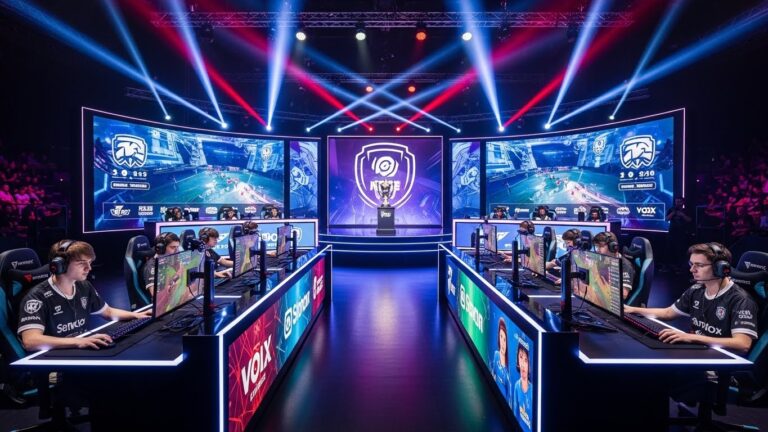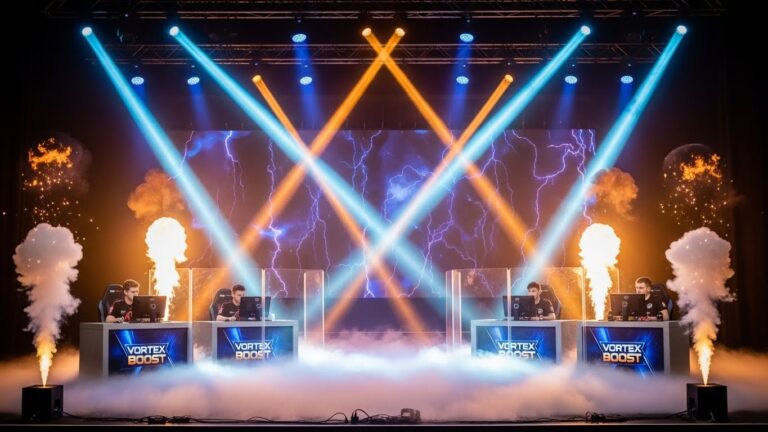
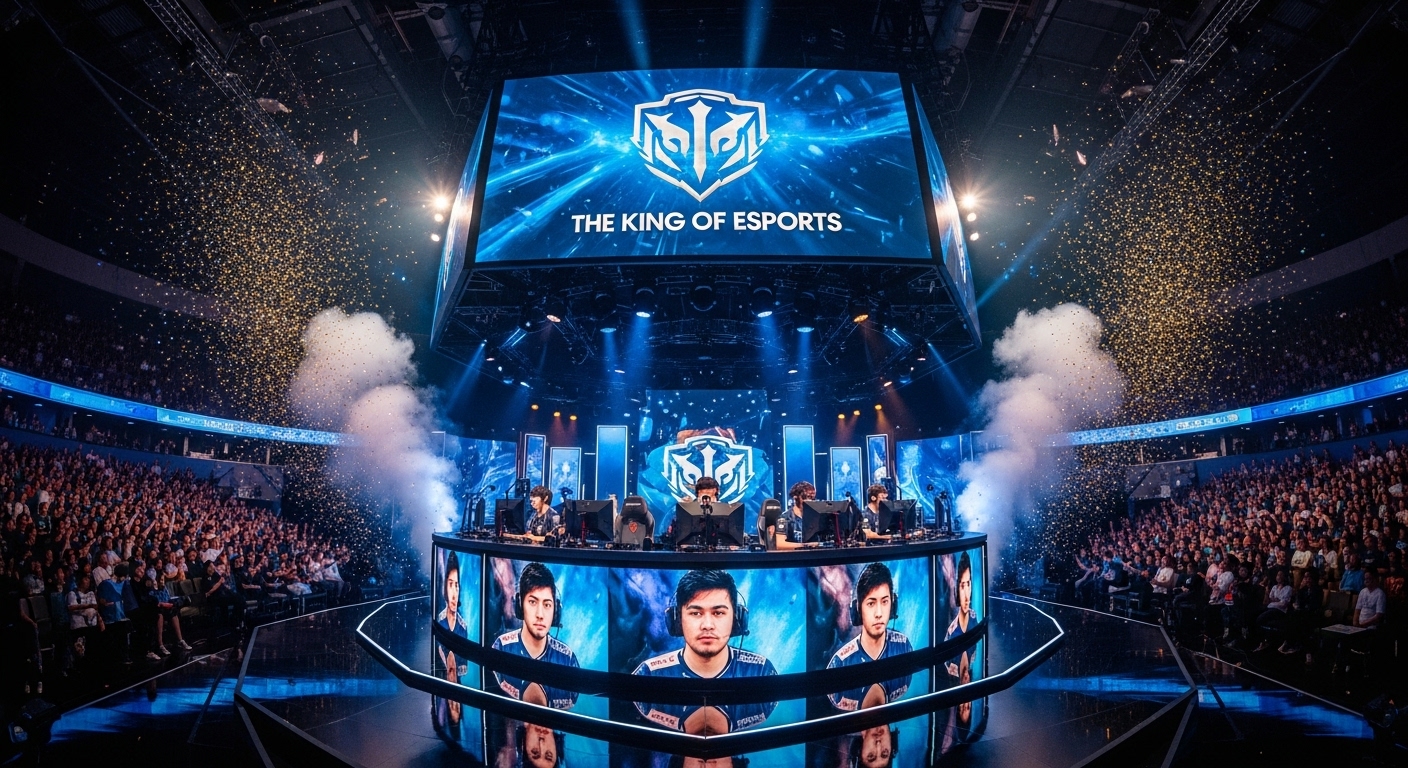
Esports has transformed the world of competitive gaming, turning casual players into professional athletes and online communities into global fanbases. Among the numerous titles that have shaped this dynamic industry, League of Legends (LoL) stands as an undisputed titan. Since its release in 2009, League of Legends has not only dominated the competitive gaming landscape but has also set the benchmark for what esports can achieve in terms of scale, community, and cultural impact.
In this blog, we explore the rise of League of Legends, its journey in esports, its influence on competitive gaming, and why it has earned the title of “The King of Esports.”
A Brief History of League of Legends
League of Legends was developed and published by Riot Games, a California-based game studio founded in 2006 by Brandon Beck and Marc Merrill. Inspired by the Warcraft III mod Defense of the Ancients (DotA), LoL took the multiplayer online battle arena (MOBA) formula and refined it, making it accessible to a broader audience.
The game pits two teams of five players against each other, each controlling a champion with unique abilities. The primary goal is to destroy the opposing team’s Nexus, the core building in their base. Although simple in concept, the game offers immense strategic depth, requiring teamwork, map awareness, and precise execution.
When LoL launched on October 27, 2009, it rapidly grew in popularity due to its free-to-play model, frequent updates, and a strong emphasis on community engagement. By 2011, Riot Games began organizing professional tournaments, planting the seeds for what would eventually become a global esports phenomenon.
League of Legends as an Esports Pioneer
League of Legends didn’t just survive in the competitive space—it redefined it. Esports existed before LoL, with games like StarCraft and Counter-Strike leading the charge, but Riot Games introduced a level of structure and professionalism previously unseen.
The Birth of Professional Leagues
In 2013, Riot launched the League of Legends Championship Series (LCS) in North America and Europe, formalizing competitive play with fixed schedules, regular seasons, and prize pools. This model professionalized esports, attracting sponsors, advertisers, and broadcasters.
The LCS’s success paved the way for regional leagues worldwide:
- LCK (Korea): Known for its disciplined, mechanically superior players.
- LPL (China): Famous for high-intensity, aggressive gameplay.
- LMS and PCS (Taiwan, Hong Kong, Southeast Asia): Smaller regions with strong competitive talent.
The culmination of these leagues is the League of Legends World Championship (Worlds), an annual event that has become one of the most-watched esports tournaments globally. The 2023 Worlds drew millions of viewers, surpassing traditional sporting events in online engagement.
Why League of Legends Dominates Esports
Several factors contribute to League of Legends’ supremacy in esports:
1. Spectator-Friendly Gameplay
League of Legends balances complexity with clarity. Unlike RTS games that can overwhelm viewers, LoL’s fast-paced, team-oriented battles are easy to follow once you understand objectives like turrets, dragons, and Baron Nashor. Riot Games enhances the spectator experience with in-game cameras, replays, and live commentary, making esports entertaining for casual and hardcore fans alike.
2. Global Competitive Ecosystem
LoL has created a truly global competitive ecosystem. Regional leagues funnel into international competitions, allowing storylines to develop over a season. Fans can follow players’ careers, experience rivalries, and celebrate underdog victories, all of which drive engagement and loyalty.
3. Consistent Updates and Evolving Meta
Riot Games keeps the game fresh with regular patches, champion reworks, and balance changes. This evolution ensures that professional play remains dynamic and unpredictable, forcing teams to adapt and innovate constantly. It’s this ever-changing meta that keeps fans returning year after year.
4. Community and Cultural Impact
LoL’s community is massive, spanning millions of players worldwide. Riot supports this ecosystem through fan events, cosplay competitions, content creation, and collaborations with music and entertainment industries. For example, K/DA, the virtual pop group composed of LoL champions, gained mainstream recognition, bridging gaming with popular culture.
The Role of Teams and Players
Professional teams and players are at the heart of League of Legends’ esports dominance. Iconic organizations like T1, G2 Esports, Fnatic, and EDward Gaming have become household names in the esports world. Legendary players such as Faker, Doinb, and Uzi have not only showcased exceptional skill but also inspired the next generation of gamers.
The careers of professional LoL players are intense. Teams practice for up to 12 hours a day, focusing on teamwork, strategy, and mechanical execution. Coaches, analysts, and support staff play critical roles in refining strategies and ensuring peak performance. This high level of professionalism has elevated esports to a standard comparable with traditional sports.
Iconic Moments in League of Legends Esports
League of Legends has produced countless unforgettable moments that have solidified its status as the king of esports:
- Faker’s Solo Kill on Ryu (2013): This iconic play showcased mechanical brilliance and cemented Faker’s legendary status.
- Samsung White’s Dominance (2014 Worlds): A masterclass in strategic team play that is still studied today.
- DWG KIA’s Reverse Sweep (2020 Worlds): A thrilling comeback that captivated global audiences.
These moments, replayed across social media and streaming platforms, have helped LoL transcend gaming into a cultural phenomenon.
League of Legends’ Impact on the Esports Industry
League of Legends has not only grown as a game but has shaped the entire esports industry:
1. Revenue Generation
Riot Games has mastered monetization through cosmetics, merchandise, and media rights, setting an example for other esports titles. Worlds tournaments generate millions in revenue while maintaining free access to viewers, balancing profitability with accessibility.
2. Professionalization of Esports
LoL introduced structured leagues, franchising, and player contracts, creating sustainable career paths for esports athletes. This model has been replicated across other games, legitimizing esports as a professional industry.
3. Influence on Game Design
LoL has influenced how competitive games are designed. Developers now prioritize balance, spectator engagement, and esports integration from the outset, following Riot’s example.
4. Global Fan Engagement
Through live events, online streaming, and community interaction, LoL has cultivated a global fan culture. Millions tune in to watch Worlds, while social media amplifies every play, meme, and controversy. This engagement demonstrates esports’ potential to rival traditional sports in influence.
Challenges and Criticisms
Despite its dominance, League of Legends faces challenges:
- Player Burnout: The demanding schedule can lead to mental and physical fatigue.
- Toxicity in the Community: LoL has struggled with negative behavior in-game, though Riot has implemented measures like honor systems and reporting tools.
- Competition from New Titles: Games like Valorant, Fortnite, and Call of Duty: Warzone compete for attention, requiring LoL to innovate constantly.
However, Riot’s proactive management and commitment to esports have allowed the game to maintain its leading position.
The Future of League of Legends Esports
The future of League of Legends looks brighter than ever. Riot Games continues to expand its global footprint through:
- New Leagues and Regions: Expanding esports infrastructure in emerging markets.
- Technological Innovation: Integrating AR, VR, and advanced broadcasting technology to enhance viewer experiences.
- Cross-Media Expansion: Producing animated series, music, and cinematic content to engage fans beyond gameplay.
As esports continues to grow, League of Legends is poised to remain a central figure, influencing the industry’s direction for years to come.
Conclusion
League of Legends is more than just a game—it is a global esports phenomenon. Its perfect balance of competitive depth, spectator appeal, and community engagement has set a standard that few games can match. By pioneering professional leagues, nurturing global talent, and evolving continuously, LoL has rightfully earned its title as the king of esports.
The game’s influence reaches far beyond the virtual battlefield. It has inspired millions, transformed esports into a mainstream industry, and shown the world that gaming is a serious, respected, and dynamic form of competition. As new titles emerge and esports continues to evolve, League of Legends remains a shining example of what a game can achieve when it marries passion, innovation, and professional excellence.
For anyone curious about the power of esports, the story of League of Legends is a testament to the heights that competitive gaming can reach—an ever-evolving arena where legends are made, and champions never die.
About the Author