Esports, or competitive gaming, has rapidly transformed from a casual pastime into a worldwide phenomenon, redefining entertainment, competition, and professional sports in the digital era. What started as a niche community of enthusiasts has now evolved into a billion-dollar industry that attracts millions of viewers, offers substantial career opportunities, and influences global culture. This growth is not just a story about games but about innovation, community, and the changing definition of athleticism.
The Early Days of Competitive Gaming
The roots of esports can be traced back to the early 1970s, when video game competitions began to emerge as a social activity among technology enthusiasts. The first recorded gaming competition took place at Stanford University in 1972 with the game Spacewar. Participants competed for small prizes, but this event marked the beginning of organized gaming contests.
During the 1980s, arcades became popular hubs for competitive play. Games like Pac-Man, Donkey Kong, and Street Fighter II attracted players eager to prove their skills on public leaderboards. High scores and local tournaments helped cultivate a competitive gaming culture that emphasized skill, strategy, and dedication.
The 1990s brought the rise of personal computers and home gaming consoles, which allowed gamers to compete on a much larger scale. Titles such as Quake, Warcraft III, and StarCraft introduced multiplayer modes that encouraged online competition. With the advent of the internet, players could now connect and compete with opponents from around the world, laying the foundation for modern esports.
The Emergence of Professional Esports
The 2000s marked the professionalization of competitive gaming. Fast internet connections and improved gaming technology enabled large-scale multiplayer competitions. Games such as Counter-Strike and StarCraft became the backbone of the esports industry, particularly in South Korea, where gaming evolved into a mainstream cultural phenomenon.
In South Korea, esports was broadcast on television, and professional players achieved celebrity status. Lim Yo-hwan, famously known as BoxeR, became one of the first global esports stars, inspiring a generation of gamers to pursue competitive careers. Following this model, countries around the world began to establish leagues, tournaments, and sponsorships, which helped solidify esports as a legitimate professional industry.
The Role of Streaming in Esports Growth
The introduction of live streaming platforms revolutionized esports by making it accessible to a global audience. Services such as Twitch and YouTube Gaming allowed fans to watch tournaments, follow their favorite players, and interact with communities in real time.
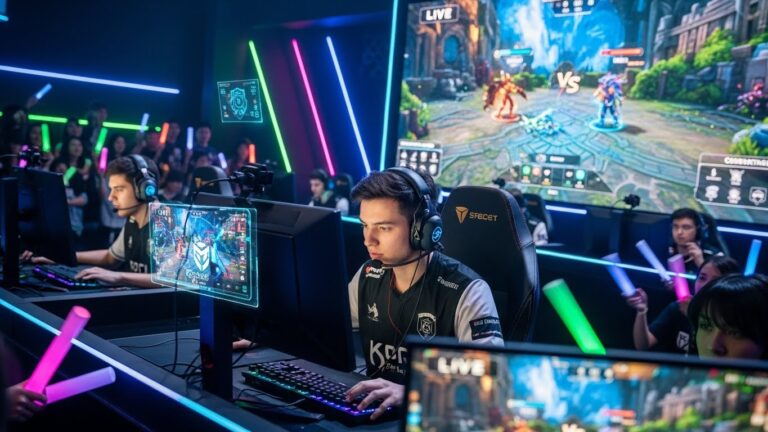
Streaming transformed esports into a spectator sport, creating opportunities for players to become personalities and influencers. Unlike traditional sports, where interaction with fans is limited, esports provided a direct line between players and their audience. The result was an engaged community that fueled the growth of tournaments and events with millions of viewers worldwide.
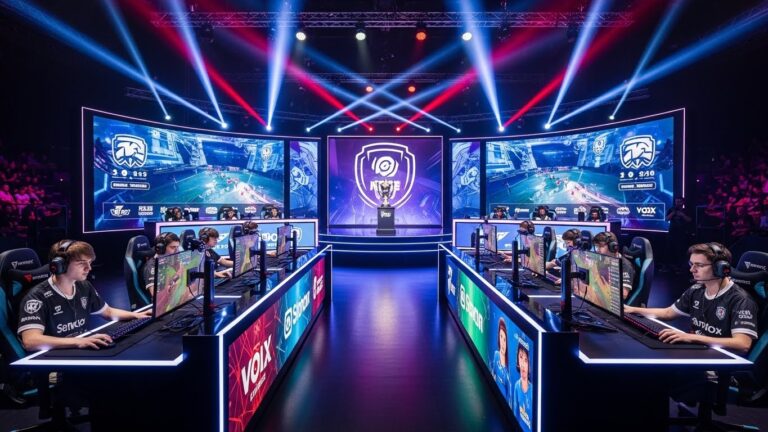
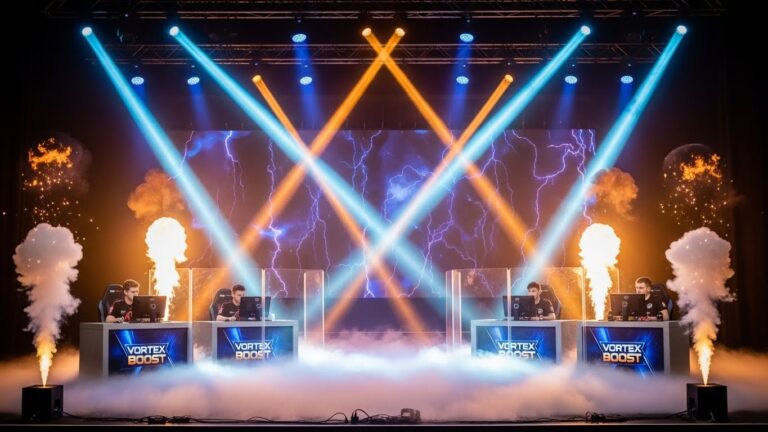
Major esports events began to rival traditional sports in terms of production and scale. High-definition broadcasts, professional commentary, instant replays, and elaborate stage designs created an immersive experience for fans, further legitimizing esports as an entertainment industry on par with conventional sports.
The Economics of Esports
Esports has become a significant global economic force, generating revenue through multiple channels including sponsorships, advertising, media rights, merchandise, and ticket sales. Major brands across technology, fashion, automotive, and consumer goods industries have invested in esports to reach younger audiences, who spend a substantial amount of time online.
Professional esports organizations operate similarly to traditional sports franchises. Teams hire coaches, analysts, and support staff, develop training facilities, and create long-term strategies. The combination of prize money, salaries, sponsorships, and content creation allows players to earn substantial income, making esports a viable career path.
Prize pools in major tournaments have skyrocketed, with some competitions offering millions of dollars in winnings. Events such as The International for Dota 2 have broken records, highlighting the financial magnitude and popularity of competitive gaming.
Global Reach and Cultural Impact
Esports is a global phenomenon, transcending geographical, cultural, and linguistic barriers. Players from different countries and continents compete on the same platforms, fostering international communities and cultural exchange.
Countries like South Korea, China, and the United States have embraced esports as a source of national pride. Universities now offer scholarships for esports, while certain governments recognize professional players as athletes. This official recognition allows players to compete internationally and pursue sustainable careers.
Esports has also permeated popular culture. Fashion collaborations, music performances at tournaments, and references in movies and television demonstrate the influence of competitive gaming beyond the digital arena. The culture surrounding esports is inclusive, creative, and ever-expanding, making it a powerful social and cultural force.
Skills and Training in Esports
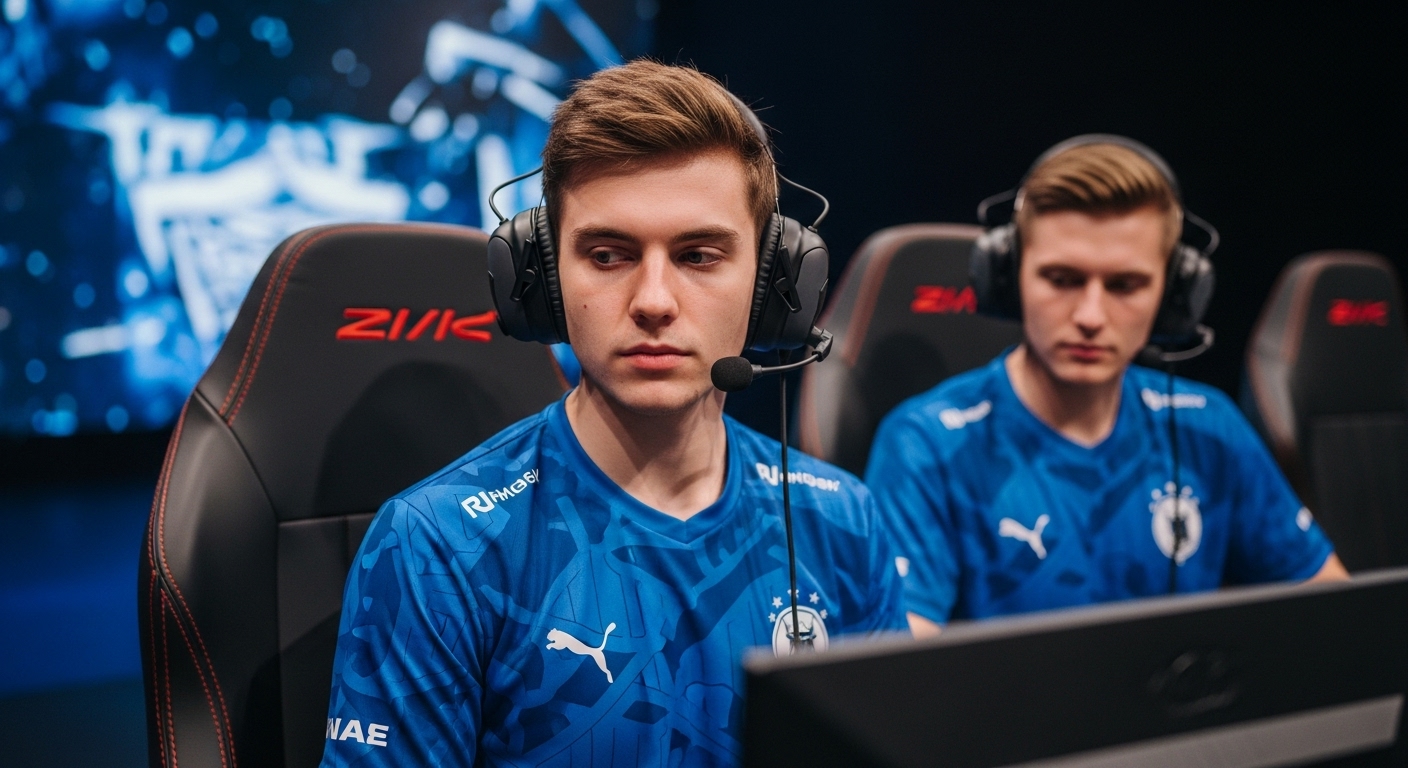
Success in esports requires more than natural talent. Professional players dedicate significant time to practice, strategy development, and mental conditioning. Reaction time, hand-eye coordination, communication, and teamwork are critical skills for success at the highest levels.
Esports teams often employ coaches, psychologists, nutritionists, and analysts to optimize performance and prevent burnout. Training involves both physical and mental preparation, including reflex drills, game analysis, strategy planning, and collaboration exercises. This comprehensive approach ensures that players perform consistently under high-pressure situations, proving that esports demands discipline comparable to traditional sports.
The Esports Ecosystem
Esports thrives on a complex ecosystem that includes developers, professional players, organizations, and fans. Developers play a crucial role by creating balanced competitive games, supporting tournaments, and maintaining community engagement. Popular titles like League of Legends, Valorant, Overwatch, and Fortnite exemplify how strong developer support sustains a vibrant esports scene.
Players and teams form the visible core of esports, attracting fans with skill and personality. Fans are equally essential, creating communities, participating in events, and generating content that sustains the ecosystem. This symbiotic relationship between players and fans drives innovation, engagement, and growth within esports globally.
Esports and Education
Educational institutions increasingly recognize esports as a valuable tool for teaching teamwork, leadership, and digital skills. High schools and universities offer esports programs and scholarships, providing students with competitive opportunities and pathways to careers in gaming and technology.
Collegiate esports leagues mimic professional environments, complete with coaching staff, structured training schedules, and organized tournaments. Beyond competition, esports education promotes skills in event management, marketing, broadcasting, and game development, preparing students for careers in a rapidly growing global industry.
Challenges Facing the Esports Industry
Despite its rapid growth, esports faces several challenges. Player burnout is common due to long hours of practice and high-pressure competitions. Many professional gamers retire in their mid-20s, much earlier than athletes in traditional sports.
Maintaining competitive integrity is also a challenge. Issues such as cheating, match-fixing, and unethical conduct have occasionally occurred, highlighting the need for regulations and standardized rules. Additionally, financial instability and unequal pay remain concerns, particularly for players in smaller organizations.
Gender representation in esports is another issue. While women make up a significant portion of the gaming community, professional esports remains male-dominated. Initiatives to promote inclusivity and support female competitors are growing, but much work remains to achieve equal representation.
The Future of Esports
The future of esports promises continued growth, innovation, and accessibility. Technologies like virtual reality, augmented reality, and cloud gaming are expected to redefine competitive play and fan engagement. Virtual arenas and immersive broadcast experiences may become standard, further enhancing the global reach of esports.
Traditional sports organizations are increasingly entering the esports market, creating divisions and teams that bridge the gap between conventional and digital sports. Mobile gaming has expanded access to regions where PCs and consoles are less common, proving that esports is driven by community and engagement rather than technology alone.
As esports grows, it will continue to influence entertainment, education, and culture. Its accessibility and interactivity ensure that it remains a central part of the digital age, providing opportunities for new talent and fostering global communities.
Conclusion: The New Era of Competition
Esports represents a transformative shift in how society views competition, athleticism, and entertainment. It blends skill, strategy, and technology to create a professional landscape where players can thrive, communities can flourish, and fans can engage like never before.
This digital revolution demonstrates that competition is not confined to physical arenas but can exist in virtual spaces where creativity, discipline, and innovation determine success. Esports is more than a game; it is a defining aspect of modern culture, shaping how people compete, connect, and experience the thrill of achievement in a global, digital world.
About the Author