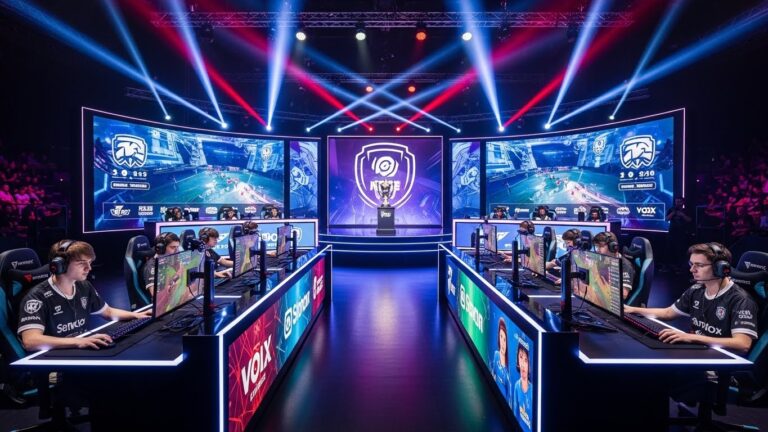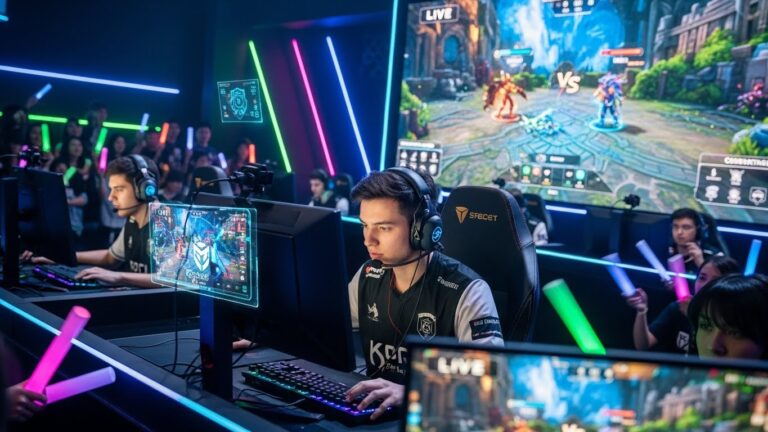
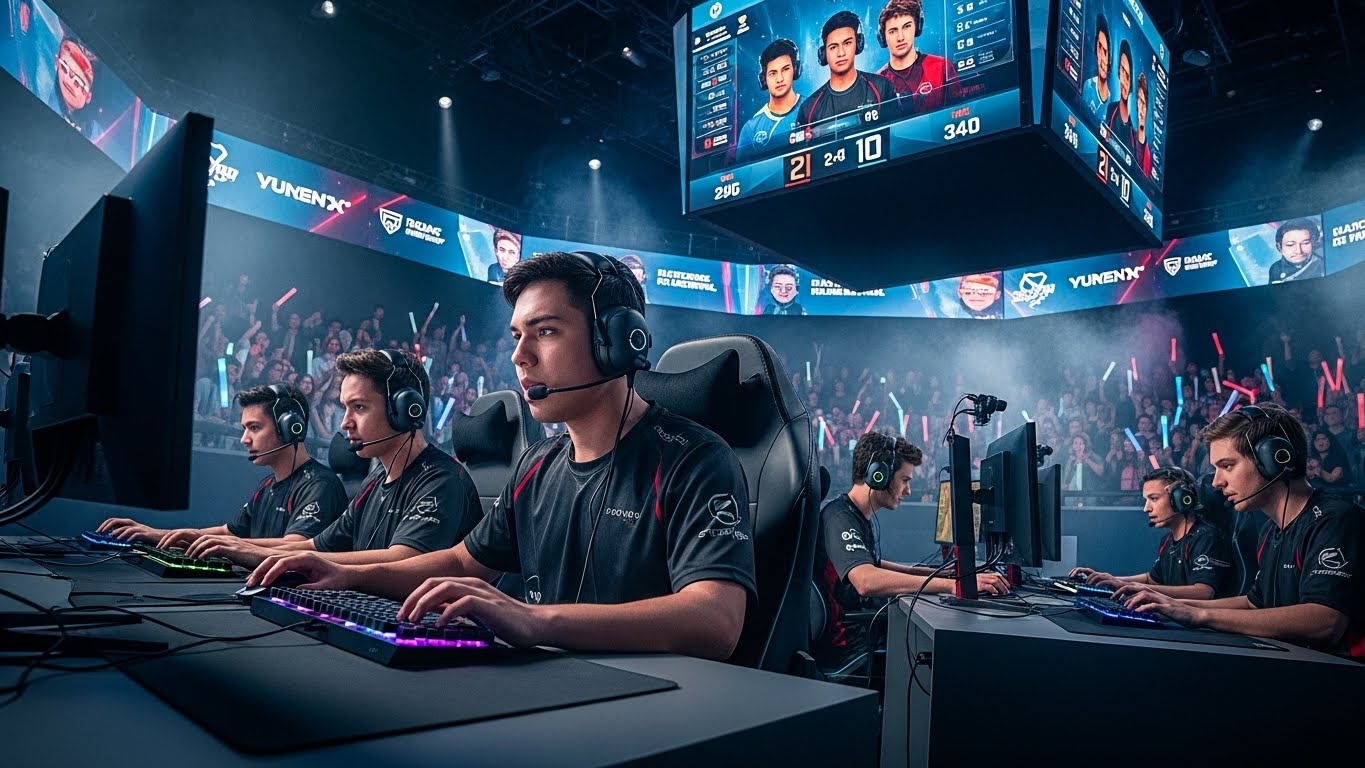
Esports has emerged as one of the most dynamic and rapidly growing sectors of the entertainment industry. What started as casual video gaming has transformed into a highly competitive and professional ecosystem where skill, strategy, and teamwork define success. Across the globe, millions of players, fans, and organizations are contributing to an industry that rivals traditional sports in both revenue and cultural impact. This blog explores the rise of esports, its social and economic influence, the challenges it faces, and its potential to shape the future of competition and entertainment.
The Origins of Esports: From Arcades to Global Tournaments
The roots of esports trace back to the early days of video gaming. In the 1970s and 1980s, arcade competitions and high-score challenges laid the groundwork for competitive gaming. Games like Space Invaders, Pac-Man, and Street Fighter became popular platforms for players to test their skills against one another. These competitions were often local but created the first sense of gaming as a sport.
The 1990s brought the internet revolution, which expanded competitive gaming beyond physical locations. Online multiplayer games such as Counter-Strike, StarCraft, and Warcraft III allowed players from different regions to compete in real-time. Early professional leagues, like the Cyberathlete Professional League, demonstrated that gaming could support organized competitions with dedicated participants. Today, esports has evolved into a global phenomenon, featuring tournaments with millions in prize money, massive online viewership, and professional teams that operate similarly to traditional sports franchises.
Popular Esports Titles and Game Genres
Esports is diverse, encompassing multiple genres that cater to a variety of player skills and fan interests. Multiplayer Online Battle Arena (MOBA) games such as League of Legends and Dota 2 emphasize teamwork, strategy, and split-second decision-making. First-Person Shooter (FPS) games like Call of Duty and Counter-Strike: Global Offensive require precise aim, reflexes, and tactical awareness.
Real-Time Strategy (RTS) games, including StarCraft II, challenge players to manage resources, plan long-term strategies, and execute fast-paced maneuvers. Sports simulation games such as FIFA and NBA 2K replicate real-world athletics, attracting both traditional sports fans and competitive gamers. Battle Royale games like Fortnite and PUBG combine survival, strategy, and action in high-intensity environments. The diversity of genres ensures that esports appeals to players and viewers with different interests and skill sets.
The Physical and Mental Demands of Esports
Contrary to popular belief, esports requires both physical and mental endurance. Professional players often train for six to ten hours daily, improving reaction times, hand-eye coordination, and multitasking capabilities. Sustained focus, rapid decision-making, and the ability to perform under pressure are essential skills that distinguish elite players from casual participants.
Physical well-being is critical in esports. Long hours of gaming can result in repetitive strain injuries, eye strain, and posture-related issues. Many professional players follow exercise routines, stretching protocols, and ergonomic practices to maintain health. Mental resilience is equally important. Players must manage stress, stay motivated through losses, and maintain composure during high-stakes tournaments. Cognitive conditioning, including memory exercises and mindfulness, helps sustain peak performance over long careers.
Social and Psychological Impacts of Esports
Esports has significant social and psychological effects, both positive and negative. On the positive side, it fosters community and social interaction. Online platforms, streaming services, and fan forums allow players and viewers to connect, discuss strategies, and share experiences. Team-based games cultivate collaboration, communication, and leadership, skills that extend beyond gaming into professional and personal life.
Esports also offers cognitive benefits, enhancing problem-solving, strategic planning, and quick decision-making. Playing competitively encourages adaptability, perseverance, and resilience—qualities valuable in everyday life. However, esports can also present psychological challenges. The pressures of professional play, long hours, and public scrutiny can lead to stress, anxiety, and burnout. Maintaining a balance between gaming, rest, and personal well-being is essential for sustainable careers in esports.
The Economic Power of Esports
Esports has grown into a multi-billion-dollar industry with revenue streams spanning tournaments, sponsorships, advertising, merchandise, and media rights. Prize pools for major events, such as The International for Dota 2, often reach tens of millions of dollars, offering substantial incentives for professional players.
Corporate sponsorships play a significant role in the industry. Technology companies, apparel brands, and energy drinks frequently partner with teams and events to gain exposure to a highly engaged audience. Esports organizations function much like traditional sports franchises, employing coaches, analysts, and medical professionals to support players. Streaming platforms add another revenue layer, enabling top gamers to earn through subscriptions, advertising, and donations. The economic growth of esports continues to attract investment from traditional sports leagues, media companies, and venture capitalists.
Educational Opportunities and Career Paths in Esports
Esports has evolved into a legitimate career and educational avenue. Universities worldwide now offer scholarships for competitive gaming, recognizing the dedication, skill, and discipline required to excel. Academic programs in esports management, broadcasting, game development, and coaching provide pathways for careers beyond playing professionally.
Skills developed through esports, such as teamwork, strategic thinking, and adaptability, are highly transferable to other professional environments. Players can pursue careers as analysts, content creators, commentators, event organizers, or marketing professionals within the gaming industry. The rapid growth of esports ensures that new opportunities continue to emerge, making it a viable long-term career choice for talented individuals.
The Global Reach of Esports
Esports is a truly global phenomenon. Asia, particularly South Korea and China, has been at the forefront of competitive gaming for decades, producing world-class players, teams, and tournaments. North America and Europe have developed professional leagues, collegiate programs, and fan communities, further expanding the industry. Emerging regions in South America, the Middle East, and Southeast Asia are investing in esports infrastructure, signaling a truly worldwide reach.
International tournaments allow players from different continents to compete, fostering cross-cultural engagement and shared experiences. Esports transcends borders, languages, and demographics, uniting people through a shared passion for gaming and competition.
Challenges Facing the Esports Industry
Despite its rapid growth, esports faces several challenges. Issues such as cheating, match-fixing, doping, and toxic behavior threaten the integrity of competition. Governance structures are still evolving, and regulatory frameworks often lag behind the rapid pace of industry development.
Player health and well-being remain major concerns. Long hours of screen time, high-stress environments, and intense competition can lead to physical and mental health issues. Inclusivity and diversity are also ongoing challenges, as female players and underrepresented communities strive for equal opportunities. Additionally, balancing commercial interests with the authenticity of the esports experience is essential to maintaining community trust and engagement.
The Future of Esports
The future of esports is bright, driven by innovation, inclusivity, and technological advancements. Virtual reality, augmented reality, and artificial intelligence may redefine competitive gaming and fan experiences. Analytics and data-driven strategies will continue to enhance player performance, team coordination, and audience engagement.
Esports is also likely to integrate further with mainstream entertainment, collaborating with traditional sports leagues, hosting large-scale live events, and expanding media coverage. Efforts to improve inclusivity, player welfare, and professionalization will help create a sustainable and thriving industry. As esports grows, it will not only entertain but also educate, inspire, and connect people globally.
Conclusion
Esports is more than a digital pastime—it is a transformative global phenomenon that combines competition, entertainment, and innovation. From humble beginnings in arcades to massive professional leagues with millions of viewers, esports has redefined what it means to compete and succeed.
Through esports, players develop skills in teamwork, strategy, and resilience, while fans find community and inspiration. The industry creates economic opportunities, educational pathways, and cultural connections that extend far beyond gaming. Despite challenges such as health risks and regulatory gaps, esports continues to evolve, demonstrating its potential to shape the future of sports, entertainment, and human interaction.
Whether you are a professional player, a casual gamer, or a fan, engaging with esports offers experiences that go beyond the screen, fostering growth, connection, and excitement in a rapidly changing digital world. Esports is not just a game—it is a global movement redefining competition for the 21st century.
About the Author