
Introduction
Esports, or electronic sports, has rapidly transformed from a niche hobby into a global powerhouse, captivating millions of fans and creating professional careers for players, coaches, and content creators alike. What once began as informal video game competitions in basements or local arcades has evolved into a billion-dollar industry with professional leagues, international tournaments, and massive online viewership. Esports blends the thrill of competition, the artistry of gameplay, and the innovation of technology, offering a unique form of entertainment that appeals to audiences of all ages.
In the past two decades, esports has not only changed the gaming landscape but has also influenced broader culture, including media, sports, and entertainment. This blog delves into the history, evolution, and current state of esports, examining the infrastructure, players, tournaments, and future developments of this ever-growing industry.
The Origins of Competitive Gaming
Competitive gaming has roots that date back to the 1970s and 1980s. Early video games like Pong and Space Invaders provided the first opportunities for players to test their skills against each other. Leaderboards displayed high scores, creating a competitive environment where players could measure their performance against others.
The 1980s also saw the rise of arcade tournaments. Communities formed around local arcades, and players began to develop strategies to outperform rivals. These competitions were social experiences, with players bonding over shared interests while striving for mastery. By the 1990s, multiplayer PC games like Doom, Quake, and StarCraft introduced more complex competition, emphasizing teamwork, strategy, and skill. LAN parties, where gamers connected their computers to a local network, became central hubs for competitive play, setting the stage for modern esports.
South Korea played a pivotal role in formalizing competitive gaming. With the rise of StarCraft in the late 1990s, professional leagues and televised matches became standard. The country invested in esports infrastructure, creating a culture where competitive gaming was recognized as a legitimate profession. These early developments laid the foundation for esports as an organized and professional industry.
The Impact of Online Gaming and Streaming
The widespread availability of high-speed internet in the 2000s transformed esports by enabling global online competition. Players no longer needed to gather in the same physical location to compete; they could challenge opponents anywhere in the world. Games like Counter-Strike, World of Warcraft, and League of Legends attracted massive communities, each with its own rankings, tournaments, and fan followings.
Streaming platforms revolutionized how audiences consumed esports content. Platforms like Twitch allowed fans to watch live matches, interact with players through chat, and follow professional gamers’ daily routines. This direct engagement fostered strong communities and opened up new revenue opportunities, including subscriptions, sponsorships, and donations. Streaming also enabled independent content creators to gain visibility and influence, further expanding esports’ reach and accessibility.
Popular Esports Titles and Their Influence
Certain games have become iconic within the esports ecosystem. League of Legends, developed by Riot Games, is one of the most watched esports titles worldwide. Its annual World Championship attracts millions of viewers and offers multi-million-dollar prize pools. Similarly, Dota 2 hosts The International, renowned for its record-breaking tournament prizes and competitive intensity.
First-person shooters like Counter-Strike: Global Offensive and Overwatch have cultivated dedicated professional leagues and fanbases. Fighting games such as Street Fighter and Super Smash Bros. continue to thrive in niche communities, emphasizing individual skill and precision. Sports simulations like FIFA and NBA 2K appeal to both gaming enthusiasts and traditional sports fans, creating crossover appeal.
These games not only serve as competitive platforms but also influence gaming culture, community engagement, and sponsorship opportunities. Each title has unique mechanics, strategies, and teamwork dynamics, contributing to the diversity and complexity of esports as a whole.
Professional Players and Careers in Esports
Esports has created a new class of professional athletes. Top players dedicate eight to twelve hours a day to practice, studying opponents, refining strategies, and maintaining peak performance. Professional gaming requires not just skill but also mental resilience, teamwork, and adaptability.
Beyond competing, professional gamers often serve as influencers and content creators. They build personal brands through social media, streaming, and sponsorships, gaining followers worldwide. Iconic players such as Faker in League of Legends or N0tail in Dota 2 have become global celebrities, shaping the perception of esports as a legitimate career.
Professional teams operate similarly to traditional sports organizations. They employ coaches, analysts, nutritionists, and mental health experts to optimize performance. Training facilities feature high-end equipment, practice rooms, and living arrangements that foster focus and collaboration. This professional infrastructure underscores esports’ legitimacy and emphasizes its competitive rigor.
Esports Tournaments: The Rise of Spectacle
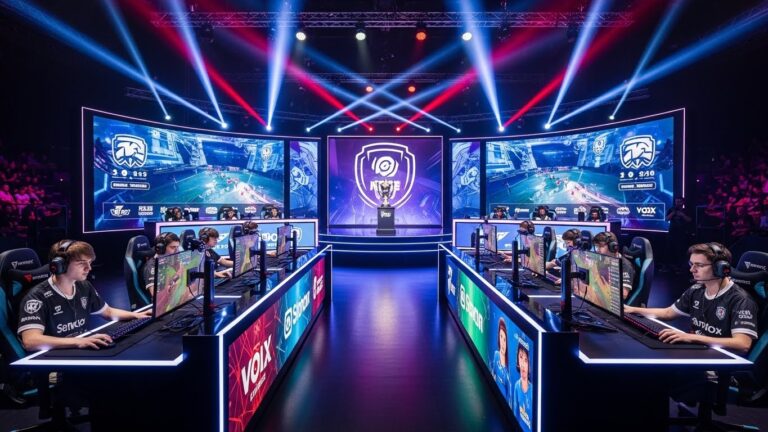
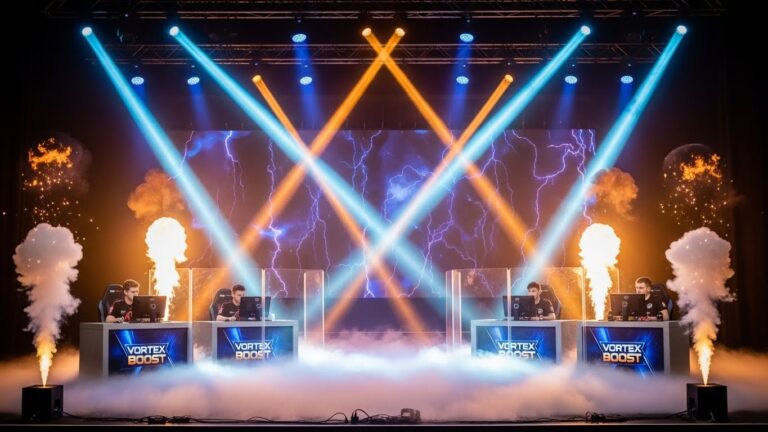
Esports tournaments have evolved from local gatherings to massive global events. International competitions attract live audiences in stadiums and millions of online viewers. Events like the League of Legends World Championship, The International for Dota 2, and the Fortnite World Cup offer high-stakes gameplay and entertainment on a grand scale.
Prize pools have reached record levels, with tournaments offering tens of millions of dollars in winnings. Beyond prize money, these events generate revenue through sponsorships, merchandising, and broadcasting rights. Professional production teams create immersive experiences, including live commentary, cinematic introductions, and interactive audience engagement. Tournaments have become spectacles that rival traditional sports events in scale, excitement, and cultural impact.
The Role of Sponsorship and Commercialization
Sponsorships are crucial to the growth of esports. Companies from technology, energy drinks, apparel, and automotive industries invest heavily in teams, tournaments, and content creators. These partnerships provide financial stability for organizations and connect brands with highly engaged audiences.
Esports sponsorships often involve integrated marketing strategies, including product placements, co-branded content, and interactive campaigns. The younger, digitally native audience makes esports a highly attractive platform for advertisers. Sponsorship deals not only support professional players and teams but also help fund tournaments and infrastructure, ensuring continued growth and innovation.
Globalization of Esports
Esports has grown into a global phenomenon, with professional leagues and competitive communities spanning continents. South Korea and China are recognized as leaders due to early investment in infrastructure and a strong cultural embrace of competitive gaming. North America and Europe host professional leagues and tournaments that attract international talent, while emerging markets in Southeast Asia, Latin America, and the Middle East continue to expand rapidly.
Globalization has also influenced competitive strategies. Regional differences in playstyle, tactics, and team culture create dynamic and diverse competitions. International tournaments serve not only as competitions but also as cultural exchanges, highlighting the universal appeal of gaming and fostering global connections.
Esports and Education
Educational institutions are beginning to recognize the potential of esports as both a career path and a teaching tool. Universities offer scholarships for esports athletes, while programs in game design, management, and digital marketing prepare students for industry roles.
Esports encourages teamwork, strategic thinking, communication, and problem-solving skills, making it an educational tool as well as entertainment. Collegiate leagues provide structure, discipline, and opportunities for aspiring professionals, while also fostering a sense of community and personal development.
Physical and Mental Demands of Competitive Gaming
High-level esports requires not only skill but also mental and physical endurance. Players face immense pressure during competitions, requiring focus, stress management, and emotional control. Extended gaming sessions can lead to fatigue, repetitive strain injuries, and burnout.
To address these challenges, professional teams employ mental coaches, physical trainers, and nutritionists. Mindfulness exercises, ergonomic setups, and structured practice schedules are essential to maintaining peak performance. Recognizing esports as a legitimate sport has led to a more holistic approach to player health, emphasizing both mental resilience and physical well-being.
Streaming, Content Creation, and Community Building
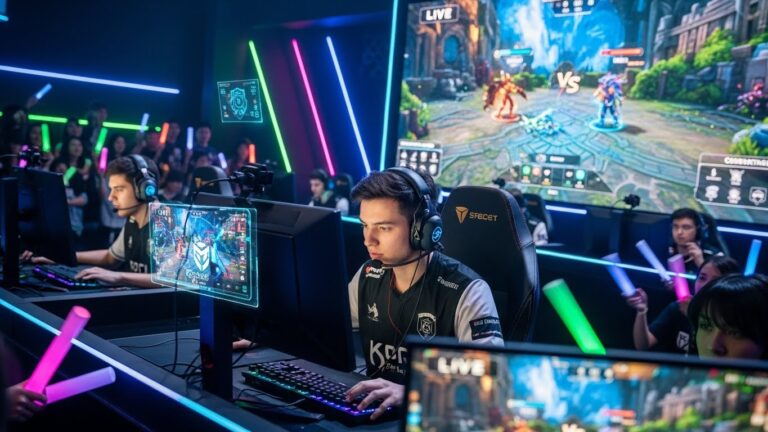
Streaming platforms are central to esports culture. Fans watch live matches, learn gameplay strategies, and interact with players in real time. This interaction fosters vibrant communities and deepens engagement. Many professional players supplement their income through streaming, creating content that entertains and educates audiences.
Community engagement also influences game development. Developers rely on feedback from competitive players and fans to balance gameplay, design updates, and maintain competitiveness. This feedback loop ensures that esports remains dynamic and responsive to the needs of its audience.
Challenges Facing the Esports Industry
Despite its success, esports faces several challenges. The rapid growth of the industry has created issues related to regulation, player contracts, and labor rights. Gender representation is another concern, with women and minority groups underrepresented in professional leagues.
Cheating, match-fixing, and toxic behavior threaten the integrity of competition. Advanced anti-cheat systems, education, and community moderation are essential to maintain trust. Sustainability is another issue, as tournaments and online infrastructure consume significant resources. The industry must balance growth with ethical practices, fairness, and long-term viability.
The Future of Esports
Esports continues to evolve rapidly. Emerging technologies such as virtual reality, augmented reality, and artificial intelligence promise new forms of competition and engagement. VR esports may allow players to physically immerse themselves in virtual arenas, while AI can assist with training, strategy, and matchmaking.
The global audience for esports is expanding, driven by mobile gaming, improved internet access, and continued integration with mainstream entertainment. Inclusivity and diversity initiatives are fostering broader participation, creating a richer and more representative competitive environment.
Esports is likely to become more intertwined with traditional sports and media, creating hybrid forms of competition and entertainment. Its growth trajectory suggests that esports will remain a cultural and economic powerhouse for years to come.
Conclusion
Esports has grown from humble beginnings into a global industry that blends competition, creativity, and technology. It offers players the opportunity to pursue professional careers, fans the chance to engage with dynamic content, and communities a platform for connection. From early arcade competitions to stadium-filling tournaments and online streaming, esports reflects human innovation, passion, and resilience.
As the industry continues to expand, esports will play an increasingly important role in shaping modern culture. Its combination of skill, strategy, entertainment, and community ensures that competitive gaming will remain at the forefront of digital entertainment, inspiring millions and pushing the boundaries of what it means to compete, connect, and create.
About the Author