Introduction The Digital Evolution of Competitive Play
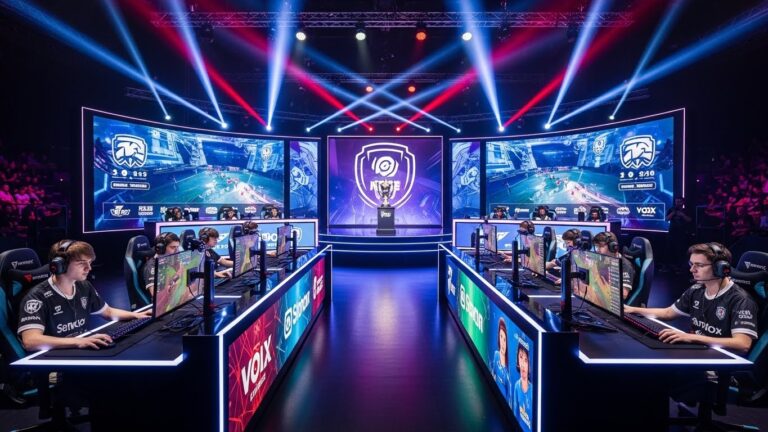
Esports has become one of the most powerful and rapidly expanding industries in the world. What once began as friendly gaming matches between small groups has evolved into an international spectacle followed by millions of fans. Today, esports stands alongside traditional sports as a recognized and respected form of competition. Professional players train rigorously, teams are sponsored by global brands, and tournaments offer rewards that rival some athletic championships. This blog explores how esports rose to prominence, the culture surrounding it, the careers it creates, and the reasons it continues to reshape entertainment in the digital age.
The Origins of Esports
The concept of competitive gaming is not new. Early computer enthusiasts held small tournaments for games that are now considered classics. These early events were modest in scale but planted the seeds for what would later become a global industry. The real transformation began with the expansion of the internet, which made online multiplayer gaming accessible to everyone. Suddenly, players from different cities and countries could challenge one another without meeting in person. This connectivity allowed competitive gaming to flourish, turning casual matches into organized contests and then into full scale tournaments.
The Growth Into a Global Industry
The early two thousand era saw the first major gaming leagues being formed. These leagues added structure, rules, and professionalism to competitive gaming. As video game technology improved, so did the quality of competitions. Advanced graphics, responsive controls, and online features created new opportunities for competitive scenes to develop. As streaming platforms grew in popularity, fans started watching matches as they unfolded. This brought esports into mainstream entertainment, drawing in millions of viewers from around the world and attracting corporate sponsorships that helped fuel further growth.
Popular Esports Genres and Their Appeal
One of the reasons esports has experienced such explosive growth is the diversity of game genres available. Strategy games reward deep planning and teamwork. First person shooters test accuracy, reaction time, and coordination. Multiplayer battle arenas emphasize strategy, cooperation, and fast decision making. Battle royale games combine survival mechanics with high intensity action as players compete to be the last one standing. Sports simulations recreate real world competitions in virtual environments, attracting fans of traditional athletics. This range of genres ensures that esports appeals to a wide audience, each drawn to the style of gameplay they enjoy most.
The Role of Streaming Platforms in Esports
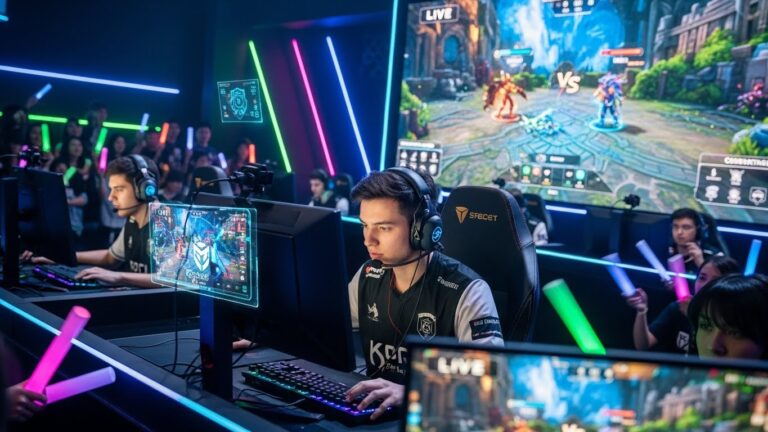
Streaming platforms have played a major part in the development of esports culture. They allow viewers to watch live matches, follow their favorite players, and learn new strategies. Viewers can interact with streamers through live chat, ask questions, or cheer during competitions. This level of interaction creates a global community that grows larger every year. Streamers often become celebrities, gaining followers who appreciate their personality, skills, or commentary. These platforms turned esports into a social experience, transforming gaming from an activity enjoyed privately into a shared form of entertainment.
Professional Players and Their Training
Professional esports players are dedicated athletes in their own right. They train for long hours each day, mastering game mechanics, studying strategies, and practicing teamwork. They often work with coaches who help them improve their skills, analyze their matches, and prepare for tournaments. Many teams also hire mental coaches to ensure their players can handle the pressure of competition. The level of dedication required to succeed is immense. Players must manage stress, maintain discipline, and constantly adapt to changes in the game. Their commitment shows the world that esports demands the same focus and resilience found in traditional sports.
Esports Teams and Organizational Structure
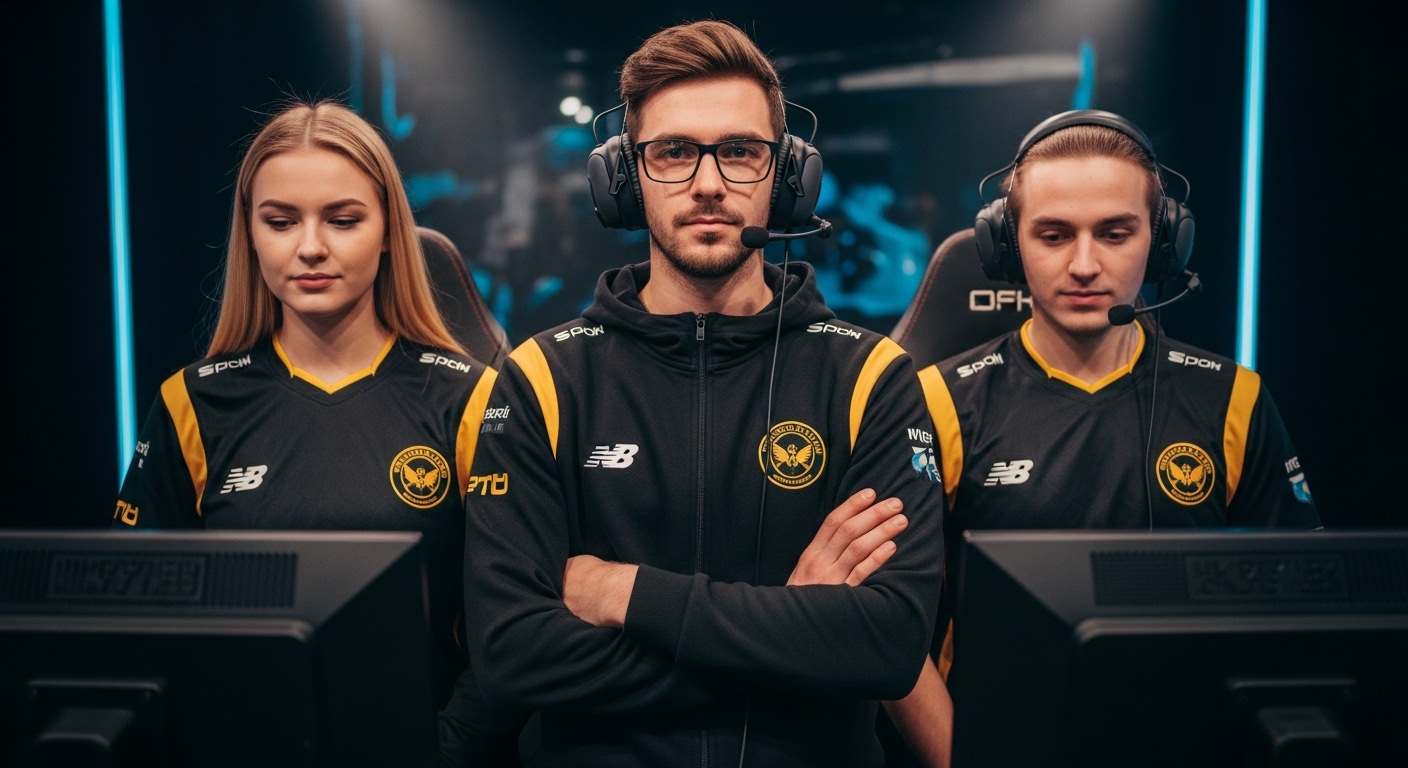
Esports organizations operate like modern sports clubs. They recruit talented players, offer training facilities, and provide staff to support player development. These organizations also handle sponsorship deals, event coordination, branding, and marketing. They create a structured environment that helps players perform at their best. Team culture is essential in esports because communication and trust are crucial for success. Players must work together, understand each other’s strengths, and coordinate strategies flawlessly. A strong organizational structure ensures stability and professionalism within the rapidly evolving industry.
Career Opportunities in the Esports Industry
The esports field offers far more than just playing professionally. There are numerous career paths available, appealing to a variety of talents. Commentators bring games to life with expert analysis and enthusiastic narration. Coaches guide teams toward improvement. Analysts study gameplay data to identify trends and weaknesses. Event managers organize tournaments, ensuring everything runs smoothly. Content creators produce videos, highlights, and tutorials for fans. Marketing teams help organizations build their presence and connect with audiences. Even graphic designers, photographers, and editors play major roles in shaping the esports experience. Esports is a diverse ecosystem that offers opportunities for creative, technical, and managerial professionals.
The Global Influence of Esports
Esports has reached a level of cultural influence that spans continents. Countries host major tournaments and invest in esports programs. Universities offer scholarships for skilled players. Young people around the world view esports as a legitimate career option. International competitions bring together people of different backgrounds, creating unity through shared passion for gaming. Esports has become a universal language, enabling communication across cultures and inspiring collaboration between global communities. Its impact extends beyond entertainment, influencing fashion, technology, education, and youth culture.
Technology Driving Esports Forward
The rapid advancement of technology has helped push esports to new heights. High performance computers, powerful consoles, and innovative gaming accessories allow for precise gameplay and stunning visuals. Faster internet speeds make online competitions smoother and more accessible. Developers now create games specifically designed for competitive play, ensuring balance and fairness. Emerging technologies such as virtual reality and artificial intelligence are beginning to shape the future of esports. These technologies promise more immersive experiences, new types of competitions, and enhanced training tools that will redefine how players prepare for matches.
Challenges Faced by the Esports Industry
Despite its success, esports faces several challenges that must be addressed to ensure long term sustainability. One major issue is player burnout, caused by demanding schedules and intense pressure to perform. Mental health support is increasingly important as players face expectations from teams, fans, and sponsors. Esports also struggles with maintaining inclusivity and ensuring that players of all backgrounds feel welcome. Online harassment and toxicity are issues that require strong moderation and community guidelines. Another challenge is the need for consistent regulations, as esports lacks a single governing body to set global standards. Addressing these challenges will help the industry continue to grow responsibly.
Esports in Education and Youth Development
Esports is becoming a valuable educational tool. Schools and universities use esports programs to encourage teamwork, communication, and problem solving. Students learn leadership skills, time management, and digital literacy. Competitive gaming clubs provide students with opportunities to connect with peers, build confidence, and participate in organized competitions. These programs also open doors to scholarships and potential careers in the esports industry. As educational institutions continue to embrace gaming, esports will play an even greater role in youth development and academic enrichment.
The Cultural Impact of Esports
Esports has influenced global culture in significant ways. Fashion inspired by gaming has become mainstream. Digital artists collaborate with gaming companies to create unique visual styles. Music artists perform at gaming events, creating unforgettable experiences for fans. Stories from the esports world inspire documentaries, films, and online series. The industry has shaped language, humor, and trends within online communities. Gaming culture is now intertwined with modern entertainment, showing how deeply esports has integrated into everyday life.
The Future of Esports
The future of esports is filled with potential. As technology continues to advance, competitions may become even more immersive and interactive. Virtual arenas, holographic displays, and enhanced viewing experiences could redefine how fans watch matches. Esports may collaborate more with traditional sports, music, and film to create new types of entertainment. More educational institutions will embrace esports, generating new talent and opportunities. The industry will continue to evolve as players, developers, and fans push the boundaries of what is possible. Esports is still growing, and its journey is far from over.
Conclusion A New Era of Digital Competition
Esports has transformed from a small community activity into a global powerhouse of competition, culture, and creativity. It brings people together through shared passion, encourages strategic thinking, and provides countless career opportunities. Its influence reaches far beyond the gaming world, shaping entertainment, technology, and social interaction. As esports continues to evolve, it will remain a defining force in modern culture, inspiring millions and pushing the limits of what digital competition can become.
About the Author