Introduction
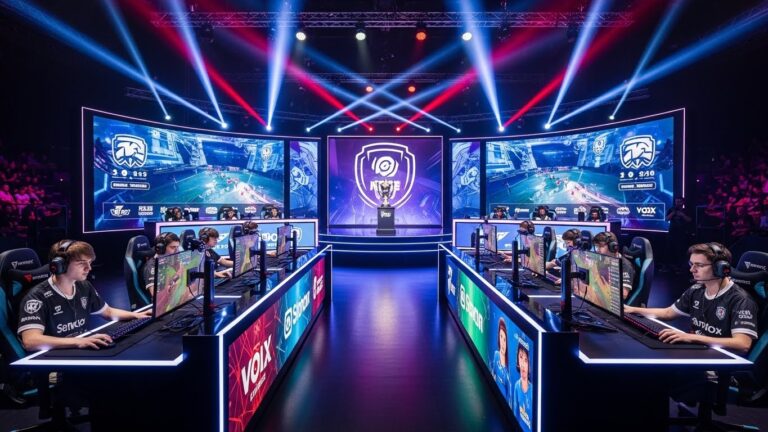
Esports, short for electronic sports, has transformed the gaming world into a global stage of competition and entertainment. What was once seen as a hobby is now recognized as a professional career, attracting millions of viewers and generating billions in revenue. The rise of esports marks a new chapter in modern sports culture, where skill, strategy, and technology merge to create thrilling experiences for players and fans alike.
The Growth of Esports
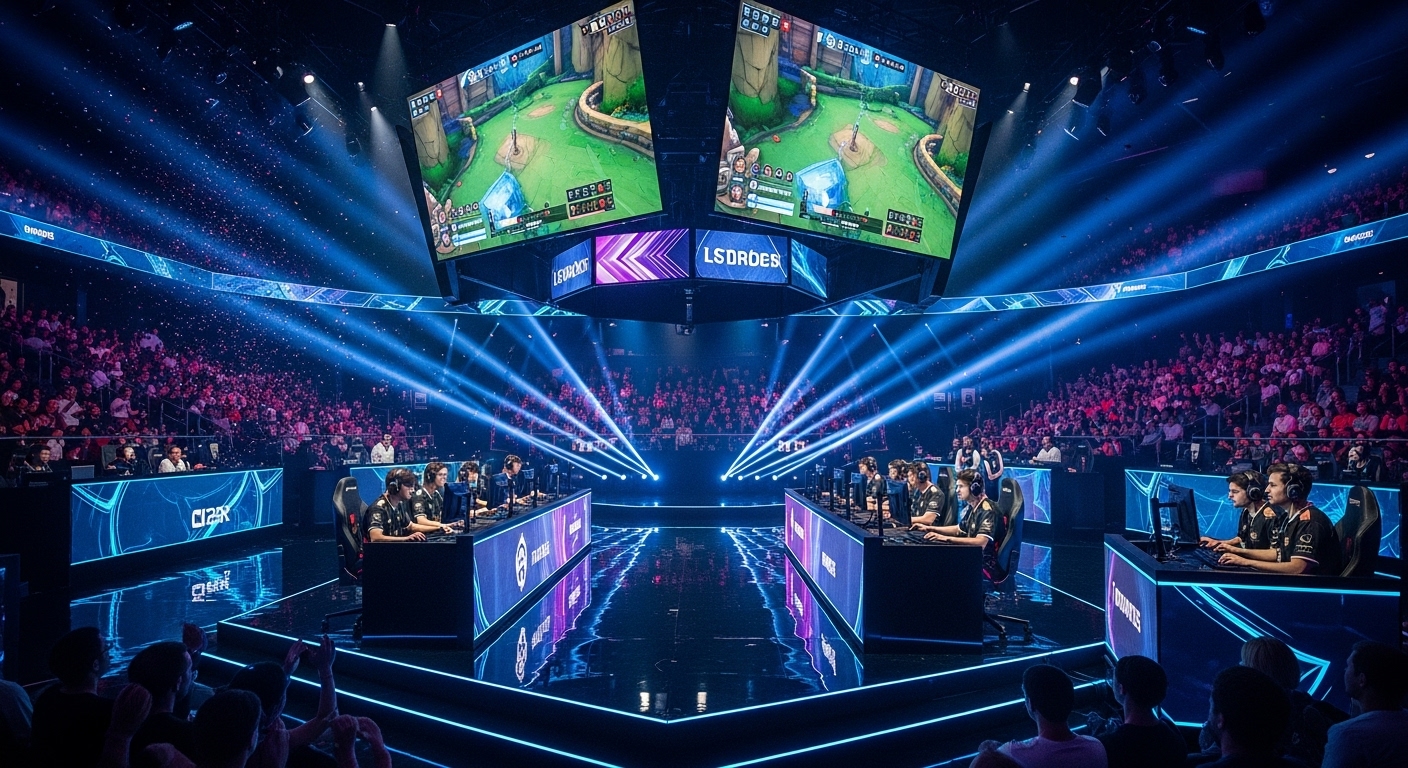
The growth of esports over the past decade has been nothing short of remarkable. Competitive gaming has expanded from small local tournaments to massive international championships with sold-out arenas. Games like League of Legends, Dota 2, Valorant, and Counter-Strike have shaped the competitive scene, inspiring new generations of players to pursue their passion professionally. Streaming platforms and digital broadcasts have further fueled this growth, allowing fans worldwide to engage with their favorite teams and players.
The Life of a Professional Gamer
Behind every successful esports player is dedication, discipline, and teamwork. Professional gamers spend countless hours practicing, refining strategies, and analyzing opponents. Teams operate much like traditional sports organizations, complete with coaches, analysts, and support staff. Mental focus, physical endurance, and communication are just as vital as technical skill. For many, esports is not just a game—it’s a lifestyle built on hard work and continuous improvement.
The Global Esports Community
Esports has united people from all corners of the world. Language and culture barriers fade when players connect through competition. Whether it’s an amateur player joining an online tournament or a professional team competing on an international stage, the spirit of gaming creates a sense of belonging. Communities thrive on shared passion, teamwork, and the excitement of the game.
Technology Driving the Industry
Technology is at the heart of esports. High-performance gaming equipment, ultra-fast internet, and advanced broadcasting tools have revolutionized the experience. Spectators can now watch matches in real time, enjoying high-quality visuals and commentary. Virtual reality, augmented reality, and artificial intelligence are shaping the future of esports, promising even more immersive and interactive experiences.
The Educational and Career Opportunities
Esports is not limited to players alone. It offers a wide range of career opportunities in areas like event management, marketing, game design, coaching, and broadcasting. Many universities around the world have started offering esports programs and scholarships, recognizing it as a valuable field of study. This development highlights how esports has evolved into a serious and sustainable industry.
The Future of Esports
The future of esports looks brighter than ever. With its growing audience and technological innovations, it continues to break barriers and gain recognition on a global scale. There are even discussions about including esports in major international sporting events. As it expands, the industry will offer new opportunities for players, creators, and fans, shaping entertainment for generations to come.
Conclusion
Esports is more than just a trend; it’s a revolution redefining how we view competition and community. It blends technology, creativity, and human skill to create an inspiring global phenomenon. The digital arena continues to grow, bringing people together through passion, teamwork, and the universal love of gaming.
About the Author