
Introduction
eSports has emerged as one of the most influential and exciting forms of modern entertainment. What started as casual video game competitions has grown into a professional, multi-billion-dollar industry with millions of fans worldwide. eSports combines skill, strategy, teamwork, and technology, offering players and audiences experiences that rival traditional sports in intensity and excitement.
The Evolution of eSports
The journey of eSports began decades ago with small gaming competitions in arcades and early computer games. As technology advanced and the internet became widespread, competitive gaming expanded into a global phenomenon. Today, eSports features organized leagues, international tournaments, and professional teams, transforming gaming from a hobby into a serious career path for skilled players.
Popular eSports Games
eSports encompasses a wide variety of games, each requiring unique skills and strategies. Multiplayer Online Battle Arenas (MOBAs) like League of Legends and Dota 2 demand teamwork and tactical thinking. First-Person Shooters (FPS) such as Counter-Strike and Call of Duty test reflexes and precision. Battle royale games and sports simulation titles have also gained immense popularity, allowing players to engage in fast-paced, competitive environments.
Professional Players and Teams
Professional eSports players train rigorously, often dedicating hours each day to improving their skills and strategies. Teams operate like traditional sports organizations, with coaches, analysts, and support staff working to optimize performance. These players not only compete for prize money but also gain sponsorships, media recognition, and fan followings, establishing themselves as influential figures in the gaming community.
Major Tournaments and Competitions
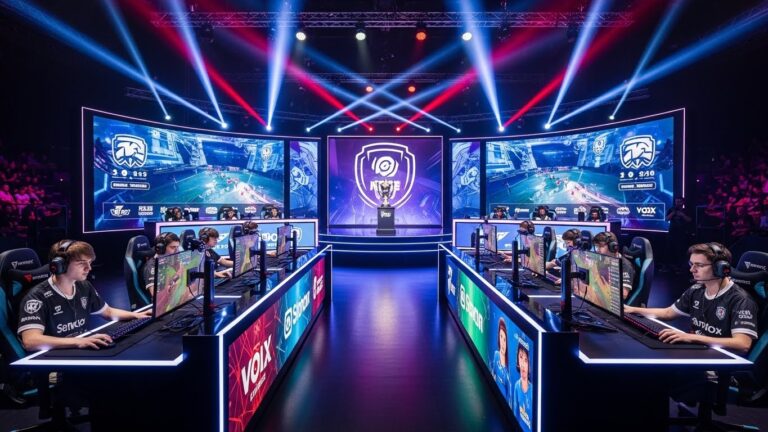
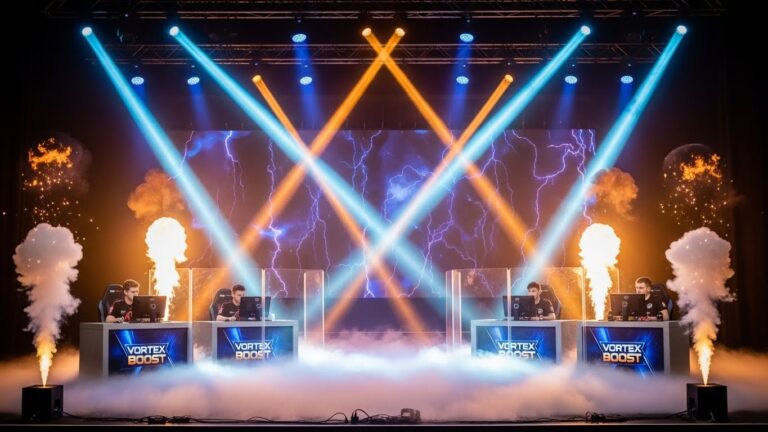
Tournaments are the lifeblood of eSports, providing platforms for players to showcase talent and for fans to experience the thrill of competition. Events like The International, League of Legends World Championship, and Fortnite World Cup attract millions of viewers online and in live venues. These competitions combine entertainment, strategy, and high stakes, making eSports a spectacle comparable to traditional sporting events.
Technology Driving eSports
Advanced technology is central to eSports. High-performance gaming computers, fast internet connections, and cutting-edge graphics ensure smooth gameplay and immersive experiences. Streaming platforms allow fans to watch live matches, interact with players, and follow global tournaments in real time. Innovations such as virtual reality and artificial intelligence are also shaping the future, offering new ways to play and engage with games.
Social and Cultural Impact
eSports has created a unique social ecosystem. Fans form online communities, interact with players, and share experiences across social media and streaming platforms. It has influenced pop culture, fashion, and music, while also inspiring creativity and teamwork. eSports fosters global connections, teaching communication, strategy, and collaboration skills that extend beyond gaming.
The Future of eSports
The future of eSports looks promising, with continued growth expected in both audience size and professional opportunities. Emerging technologies like virtual reality, augmented reality, and AI-driven gameplay will make competitions even more immersive. As universities, sponsors, and media increasingly recognize eSports, it is poised to become a mainstream form of entertainment and competition, bridging the gap between digital and real-world sports.
Conclusion
eSports has transformed competitive gaming into a global phenomenon that entertains, inspires, and connects millions of people. With its professional players, major tournaments, and technological innovations, eSports is more than just a game—it is a cultural revolution. As the industry continues to grow, it will shape the future of entertainment, redefine competition, and establish itself as a permanent fixture in the world of sports and digital culture.
About the Author