Introduction: The Evolution of Competitive Gaming
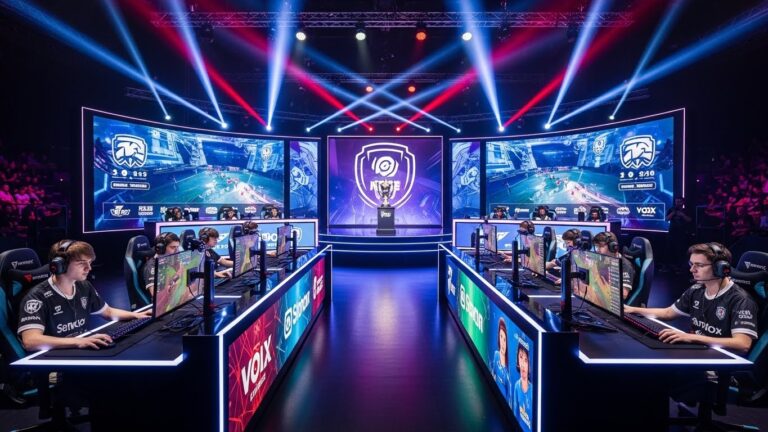
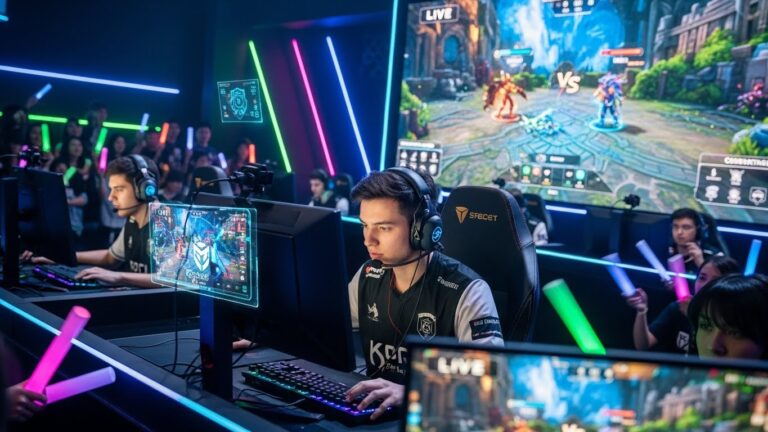
Esports, or electronic sports, has transformed from a niche hobby into a global phenomenon, captivating millions of fans and creating opportunities that were once unimaginable in the world of gaming. Unlike traditional sports, esports thrives in a digital environment, yet it shares many of the same elements that make conventional athletics compelling: strategy, skill, teamwork, and competition. The journey of esports is a testament to technological advancement, cultural adaptation, and the changing perception of what constitutes a legitimate competitive arena. Over the past two decades, competitive gaming has evolved from small tournaments among friends to stadium-filling events broadcast worldwide, demonstrating its potential to rival even the most established sports leagues in popularity and influence.
The History and Growth of Esports
The origins of esports can be traced back to the late 1970s and early 1980s, when simple arcade games like Space Invaders and Pac-Man inspired local competitions. However, esports as we know it began to take shape in the 1990s with the rise of multiplayer games such as Quake and StarCraft. These games offered not only competitive depth but also the ability for players from different locations to face off, laying the foundation for online tournaments. By the early 2000s, South Korea emerged as a pioneering hub for professional gaming, with StarCraft tournaments drawing massive television audiences and players achieving celebrity status. The proliferation of high-speed internet, streaming platforms, and advanced gaming technology accelerated the global expansion of esports, allowing tournaments to reach international audiences and attract sponsorships from major brands.
The Diversity of Esports Genres
Esports encompasses a wide range of game genres, each requiring distinct skills and strategies. Multiplayer online battle arena games, commonly known as MOBAs, such as League of Legends and Dota 2, emphasize teamwork, strategic planning, and precise execution. First-person shooters like Counter-Strike: Global Offensive and Call of Duty demand fast reflexes, situational awareness, and coordination among team members. Battle royale games, exemplified by Fortnite and Apex Legends, combine survival instincts with tactical decision-making in dynamic, ever-changing environments. Meanwhile, sports simulation games like FIFA and NBA 2K allow players to replicate real-world athletic competition in a digital arena. This variety ensures that esports appeals to a diverse audience, catering to different gaming preferences and skill sets.
The Business and Economic Impact of Esports
The rise of esports has generated a substantial economic ecosystem encompassing game developers, tournament organizers, professional teams, advertisers, and media platforms. Sponsorship deals and advertising revenue have become primary income sources for both individual players and professional teams. Major tournaments now offer multi-million-dollar prize pools, attracting talent and investment from across the globe. Furthermore, streaming platforms provide content creators with opportunities to monetize their gameplay through subscriptions, donations, and brand partnerships. The economic significance of esports extends beyond the gaming industry, influencing tourism, event management, and merchandise sales, creating a multi-billion-dollar industry that continues to grow annually.
Professionalism and Career Opportunities in Esports
Esports has legitimized competitive gaming as a professional career, offering opportunities that span beyond playing the games themselves. Professional players, coaches, analysts, broadcasters, and content creators form a robust ecosystem where individuals can pursue long-term careers. The demands of professional gaming include rigorous practice schedules, mental conditioning, and teamwork, comparable to traditional sports. Colleges and universities have recognized this trend, establishing esports programs and scholarships to nurture talent and provide academic support for aspiring professionals. The presence of structured leagues and official governing bodies has further solidified esports as a serious and respected field, opening pathways for youth to envision a future in gaming beyond casual play.
Cultural Influence and Community Building
Esports has had a profound cultural impact, fostering communities that transcend geographical boundaries. Fans and players connect through online forums, streaming platforms, and social media, creating shared experiences and cultural identities around specific games and teams. These communities often extend beyond the virtual world, organizing local meetups, fan conventions, and viewing parties for major tournaments. The inclusivity and accessibility of esports allow individuals from diverse backgrounds to participate, offering spaces where creativity, talent, and passion are celebrated. Additionally, esports has influenced mainstream entertainment, inspiring documentaries, movies, and celebrity endorsements, bridging the gap between gaming culture and broader society.
Technology and Innovation Driving Esports
The growth of esports is closely linked to technological advancements in hardware, software, and digital infrastructure. High-performance gaming PCs, consoles, and peripherals enable players to execute complex strategies with precision and speed. Streaming platforms and content delivery networks allow real-time broadcasting to global audiences, while innovations in virtual reality and augmented reality promise to redefine competitive gaming experiences. Artificial intelligence and analytics are also being employed to enhance training, develop strategies, and improve audience engagement. The intersection of gaming and technology ensures that esports remains at the forefront of digital innovation, constantly evolving in response to new tools and possibilities.
Challenges and Criticisms Facing Esports
Despite its rapid growth, esports faces several challenges that threaten its long-term sustainability. Mental health concerns, including stress, burnout, and online harassment, are prevalent among professional players due to intense competition and public scrutiny. The industry also grapples with issues of fairness, such as cheating, match-fixing, and inconsistent regulations across regions. Additionally, the perception of esports as “real sports” continues to be debated, with skeptics questioning the physical and social value of competitive gaming. Addressing these challenges requires collaboration between developers, organizers, players, and regulatory bodies to create a safe, equitable, and respected competitive environment.
The Future of Esports
The future of esports appears promising, driven by technological advancements, increasing investment, and growing cultural acceptance. Emerging markets, particularly in Asia, Latin America, and the Middle East, offer new opportunities for expansion and talent discovery. Integration with virtual reality, artificial intelligence, and cloud gaming could transform gameplay mechanics and audience experiences, making competitions more immersive and accessible. Moreover, collaborations with traditional sports organizations and entertainment industries may further legitimize esports and broaden its appeal. As the industry matures, esports has the potential to become an enduring component of global culture, reshaping how society defines competition, entertainment, and professional achievement.
Conclusion: Esports as a Cultural and Economic Force
Esports is more than just a digital pastime; it is a cultural and economic force that has redefined the landscape of competition, entertainment, and professional opportunities. Its rise illustrates the convergence of technology, talent, and community, proving that the digital realm can foster real-world impact. From its humble beginnings in arcades and local tournaments to stadium-filling events and multi-million-dollar leagues, esports embodies the spirit of modern innovation and human connection. As it continues to grow and evolve, esports will likely remain a defining element of contemporary culture, inspiring future generations to engage, compete, and connect in ways that transcend the boundaries of the screen.
About the Author