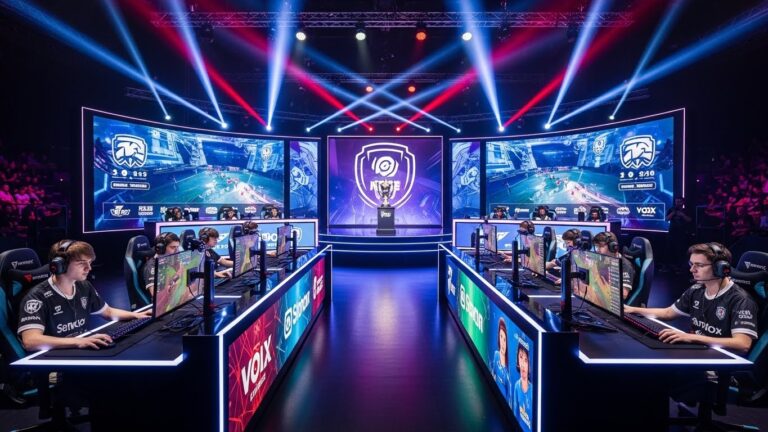

As esports becomes more mainstream, cities around the world are stepping up, investing in infrastructure, talent, events, and policy to become hubs of competitive gaming. These cities are not just places where tournaments happen—they’re building ecosystems: teams, venues, government support, schools, and business. In this article, we explore which cities are leading in esports investment, what they are doing right, and what others can learn from them.
What Makes a City an Esports Investment Hub
Before diving into specific cities, it’s helpful to understand what criteria make a city particularly strong in esports investment. These include:
- Government support and policy: tax incentives, regulatory frameworks, public funding, strategic planning
- Infrastructure: arenas, venues, broadcast facilities, gaming / LAN centers, internet connectivity
- Talent ecosystem: schools, universities, development programs, local teams
- Event capacity: ability to host large international tournaments and frequent local/regional events
- Business & media presence: sponsors, gaming-tech firms, media houses, streaming infrastructure
Cities that score highly on most or all of the above tend to become magnets for esports investment.
Top Cities Leading the Charge
Below are some of the best cities currently leading in esports investment, along with what makes them stand out.
Shanghai, China
Shanghai has repeatedly been ranked among the top three esports cities globally in recent reports. MENAFN+3Shanghai Government+3Digital Journal+3
What Shanghai is doing:
- It has strong governmental policies and industrial backing that promote esports as a strategic industry. Shanghai Government+2timesnewswire.com+2
- A large share of China’s esports events, club revenues, and corporate esports activity are concentrated in Shanghai. Shanghai Government+2Futunn News+2
- International tournaments are frequently hosted there, which builds global visibility and draws in sponsors, teams, media, and fans. Shanghai Government+1
Los Angeles, USA
Los Angeles remains one of the biggest esports investment hubs in North America. It consistently appears among the top cities in “esports city influence” rankings. timesnewswire.com+1
Strengths of Los Angeles:
- Strong media & entertainment infrastructure: TV, streaming, content creation, celebrity culture all converge in LA, giving esports access to a rich media ecosystem.
- Presence of major esports orgs and events, plus proximity to major tech and gaming companies.
- Good venue capacity and talent pool.
Seoul, South Korea
Seoul is often called one of the birthplaces of modern esports. It places highly in many rankings of “top esports cities” due to its long history, infrastructure, popular culture integration, and strong fan culture. timesnewswire.com+2Futunn News+2
What sets Seoul apart:
- Deep social acceptance and integration of gaming and esports into culture (TV, schools, gaming cafes).
- Highly skilled player base, many professional organizations and frequent major events.
- Government support and policies that facilitate esports growth.
Beijing, China
Beijing is another major Chinese city that features stringently in esports investment rankings. It benefits from national policy support and infrastructure. timesnewswire.com+2Digital Journal+2
What it is doing well:
- Hosting major events and esports brand headquarters.
- Governmental programs labelled under “Beijing Esports” which help promote and regulate esports growth. MENAFN+1
- Infrastructure investments.
Riyadh, Saudi Arabia
Riyadh has lately made a big push in esports, underpinned by national strategies and massive investments. It is increasingly being seen as a long-term hub. Reuters+3ACCESS Newswire+3Digital Journal+3
Highlights:
- The hosting of large prize pool events like the Esports World Cup with record funds. Reuters
- The development of dedicated gaming and esports districts, such as Qiddiya City, which is building large arenas, headquarters, and infrastructure for teams. Qiddiya Investment Company+1
- Strategic vision (part of broader economic diversification) along with public and private sector alignment.
Dubai / Abu Dhabi, UAE
The United Arab Emirates is also heavily investing, especially in cities like Dubai and Abu Dhabi. The MENA region sees esports as a major growth industry. The Finance World
Examples:
- Abu Dhabi is planning or constructing pioneering projects like an “esports island,” combining arenas, training spaces, resort & hospitality, and innovation workspaces. Forbes
- Dubai has launched programs geared toward positioning itself among the top esports hubs globally, including job creation targets, business incentives, etc. The Finance World
Emerging Players & Rapid Growth Cities
Beyond the “usual suspects,” there are some cities showing rapid growth or making bold moves.
- Selangor, Malaysia is rising fast in esports city rankings due to strong gaming population, local tournaments, participation, and expos. sportsabc.org+1
- Lahore, Pakistan is making strides. While not yet on par with Beijing or Seoul, its competitive gaming scene is gaining recognition and investment. sportsabc.org+1
What These Cities Are Investing In
From the case studies above, some common investment patterns are visible. These are what make cities successful in becoming esports hubs.
- Mega venues and stadiums: Building or retrofitting arenas suitable for large live esports events. Riyadh’s Esports World Cup with large prize pools; Qiddiya City’s massive esports arenas. CMOs+1
- Dedicated districts / zones: Specialized areas with esports infrastructure, training facilities, corporate offices, and entertainment. Qiddiya is one. Other cities are planning similar zones.
- Policy & regulatory support: Special incentives, funding, national strategies that explicitly name esports as part of economic growth plans. Beijing, Saudi Arabia, China broadly, etc. timesnewswire.com+2ACCESS Newswire+2
- Prize money & event hosting: Big tournaments attract attention; cities that host international events, large prize pools tend to draw in investment. Riyadh’s events are examples. Shanghai handling large national revenue share. Reuters+3Shanghai Government+3timesnewswire.com+3
- Talent development infrastructure: Training facilities, universities, courses, studios. Although info is less public in some cases, many top cities are coupling their investments with talent pipelines.
Challenges and Considerations
While many cities are doing well, there are challenges:
- Balancing hype vs sustainability: Esports investment often comes with high expectations. Cities need continuous support (not just one-time events) to maintain momentum.
- Infrastructure costs & ROI: Building arenas, districts, etc., can be expensive. Ensuring there’s consistent usage (events, training, content, etc.) is key.
- Digital infrastructure: High-speed internet, streaming bandwidth, broadcast capabilities are essential but costly.
- Talent retention: Once talent is trained, keeping them locally vs them moving to larger hubs can be difficult.
- Policy & regulation: Support must be consistent and clear; changes in regulation or government priorities can disrupt ecosystems.
What Others Can Learn
Cities that want to become esports investment leaders can adopt some of the strategies already working elsewhere:
- Develop a clear government strategy that supports esports (policy support, funding, branding)
- Invest in one or two flagship venues to showcase capability
- Host international or regional tournaments to gain visibility
- Support grassroots and talent development (academies, schools, universities)
- Build partnership between private sector, media, sponsors, and esports organizations
- Ensure good digital connectivity and infrastructure
Conclusion
Some cities are now defining the future of esports, not just by hosting high-profile matches, but by building ecosystems—venues, policy, investment, and community—that sustain long-term growth. Shanghai, Seoul, Los Angeles, Beijing, Riyadh, Abu Dhabi, and Dubai are among the world leaders, combining government support, infrastructure, and strategic event hosting to attract both global and local investment.
About the Author