Introduction to the Era of Esports
The 21st century has witnessed an extraordinary transformation in the world of entertainment and competition. What once began as simple gaming for fun among friends has evolved into a global phenomenon known as esports. The term “esports,” short for electronic sports, refers to organized competitive gaming at a professional level. It involves players, teams, and tournaments where digital athletes compete in various video games for fame, glory, and significant monetary rewards. Esports have become one of the fastest-growing industries in the world, reshaping how society views video games, competition, and digital entertainment.
The evolution of esports represents not only the rise of a new sporting discipline but also a cultural shift that redefines the concept of what it means to be an athlete or a competitor. Esports now blend technology, entertainment, and human skill into one seamless experience that captures millions of fans worldwide.
The Origins of Esports
The origins of esports date back to the early days of video gaming in the 1970s. The first recognized competitive gaming event took place at Stanford University in 1972, where players competed in a game called Spacewar. Although this event was small and lacked the sophistication of modern tournaments, it laid the foundation for the competitive gaming scene.
During the 1980s, the popularity of arcade games such as Pac-Man, Donkey Kong, and Space Invaders contributed to the first wave of competitive gaming. Players around the world tried to set high scores and make their names appear on leaderboards. This spirit of competition among gamers was the beginning of what would eventually become a professional industry.
The 1990s brought the rise of home gaming consoles and personal computers, opening new doors for competition. Games such as Street Fighter II, Doom, and StarCraft became pioneers in online multiplayer gaming, and organized tournaments began to emerge. South Korea, in particular, played a significant role in shaping esports culture. The government’s investment in internet infrastructure helped foster a gaming environment that turned professional gaming into a respected career path.
The Growth of Professional Esports
The 2000s marked the beginning of esports as a recognized professional industry. The widespread availability of broadband internet allowed players to compete online from any part of the world. Competitive titles like Counter-Strike, Warcraft III, and League of Legends became central to the growing esports scene.
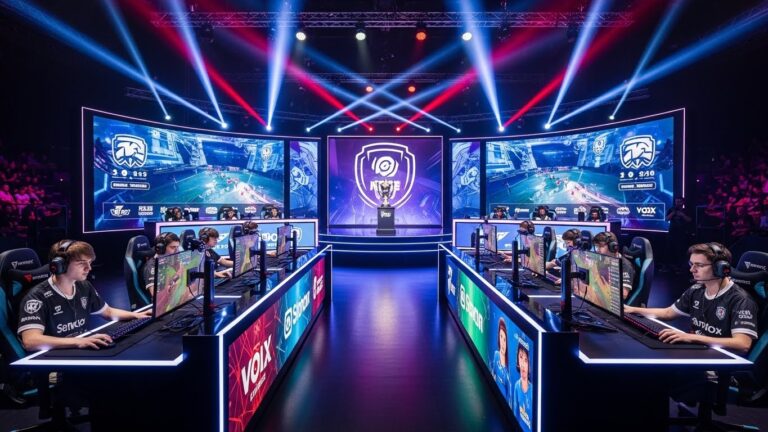
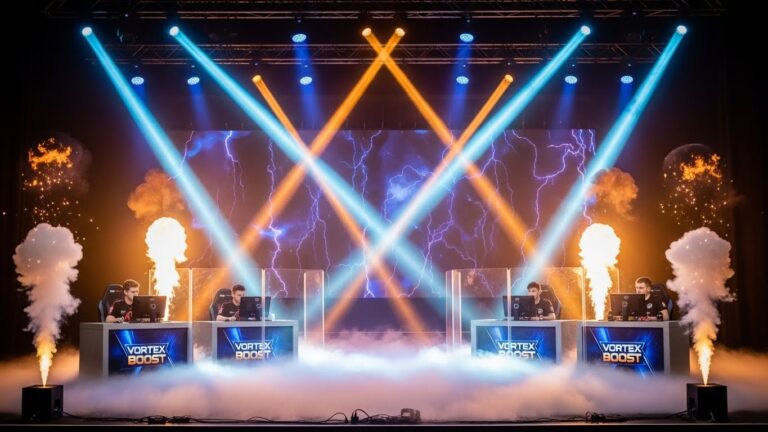
Professional teams began to form, and international tournaments started offering substantial prize pools. This shift attracted sponsors, investors, and large audiences. Gaming events transitioned from small gatherings in community centers to sold-out arenas filled with fans cheering for their favorite teams.
With streaming platforms like Twitch and YouTube Gaming emerging in the 2010s, esports gained unprecedented accessibility and visibility. Millions of fans could now watch live matches from anywhere in the world. This instant global reach transformed esports into a mainstream form of entertainment rivaling traditional sports.
Esports as a Global Industry
Today, esports is a billion-dollar industry that encompasses multiple aspects, including tournaments, streaming, merchandising, sponsorships, and game development. Major tournaments such as The International (for Dota 2), League of Legends World Championship, and Fortnite World Cup attract millions of viewers and offer prize pools worth millions of dollars.
Esports organizations operate similarly to traditional sports clubs. They recruit players, provide training facilities, and build brand identities. Players sign contracts, receive salaries, and even have agents to manage their careers. Some of the largest esports organizations are now household names, with fanbases comparable to those of major football or basketball teams.
Moreover, traditional sports franchises have recognized the potential of esports. Several established sports teams have launched their own esports divisions, blurring the lines between physical and digital sports. The inclusion of esports in events such as the Asian Games and discussions about its inclusion in the Olympic Games show just how far the industry has come.
The Role of Technology in Esports Evolution
Technology is the backbone of esports. The continuous advancement of gaming hardware, high-speed internet, and streaming platforms has driven its evolution. High-performance gaming PCs, consoles, and mobile devices have made competitive gaming more accessible and visually stunning.
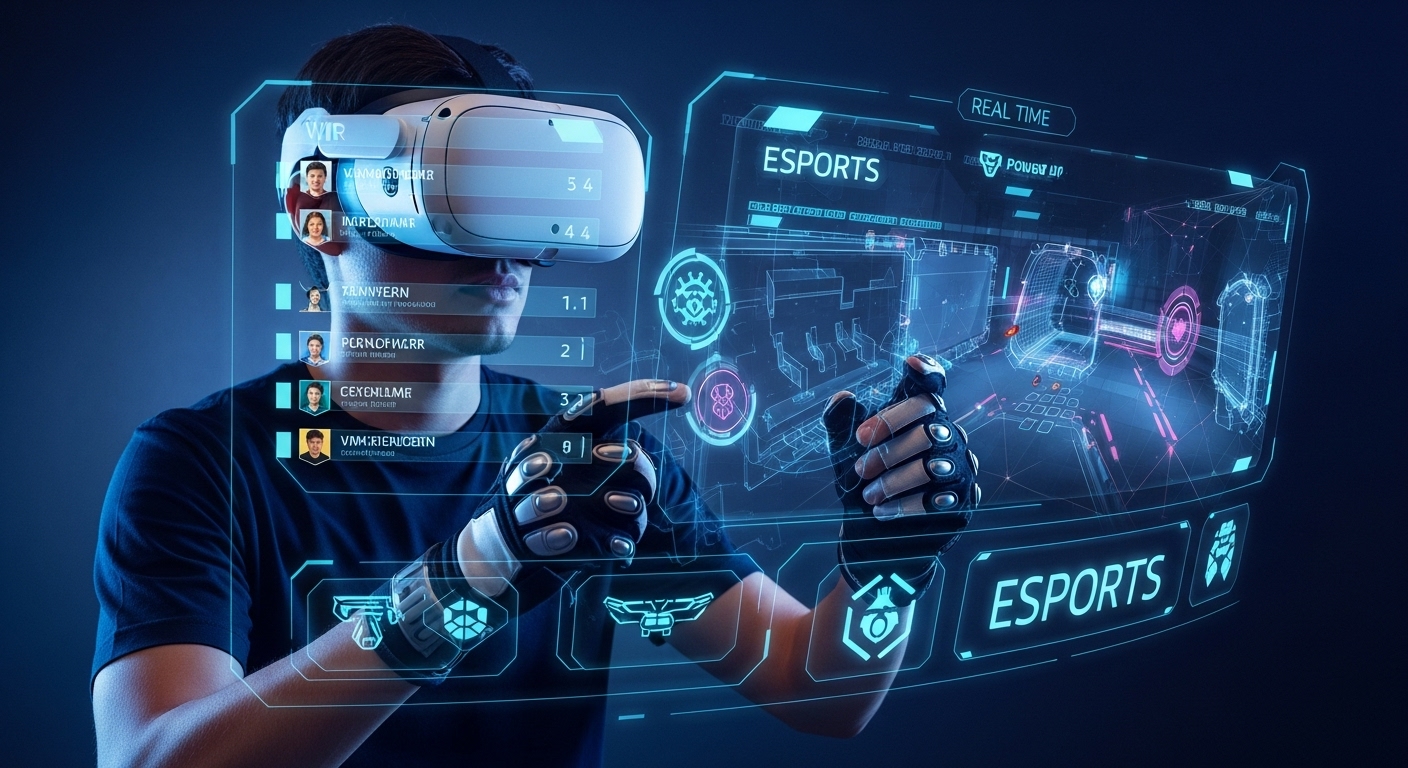
Virtual reality and augmented reality are expected to shape the future of esports, adding new layers of immersion and interactivity. Additionally, artificial intelligence and data analytics are helping teams analyze gameplay, develop strategies, and improve performance.
The integration of 5G technology has also revolutionized mobile esports, allowing players to compete with minimal lag and latency. This development has expanded esports beyond PCs and consoles, giving rise to competitive mobile titles like PUBG Mobile, Mobile Legends: Bang Bang, and Free Fire.
Popular Esports Titles
Esports covers a wide range of games across different genres. Some of the most prominent titles include:
1. League of Legends:
A multiplayer online battle arena (MOBA) game developed by Riot Games, known for its intense strategy and large-scale tournaments.
2. Counter-Strike: Global Offensive (CS:GO):
A first-person shooter emphasizing teamwork, precision, and tactics. It remains a cornerstone of the competitive gaming scene.
3. Dota 2:
Another MOBA title known for The International, one of the largest esports events in the world with record-breaking prize pools.
4. Fortnite:
A battle royale game that has redefined gaming culture and attracted millions of players, from casual gamers to professionals.
5. Valorant:
A tactical shooter that blends elements of CS:GO and hero-based gameplay, quickly becoming a favorite among competitive players.
6. Call of Duty:
A long-running franchise with both console and PC competitions that draw large international audiences.
7. Rocket League:
A unique blend of soccer and cars, appealing to a broad audience with its accessible yet skillful gameplay.
8. Overwatch:
A team-based shooter that emphasizes teamwork and character abilities, representing a colorful and fast-paced take on competitive gaming.
These games, among many others, define the competitive esports landscape and contribute to its diversity and global appeal.
The Rise of Streaming and Online Communities
Streaming platforms have played a pivotal role in the success of esports. Twitch, YouTube, and Facebook Gaming have allowed players to reach global audiences directly. This direct connection between players and fans has given rise to new forms of entertainment and community interaction.
Fans now follow their favorite players not only during tournaments but also in their everyday practice sessions. Esports personalities have become influencers and celebrities in their own right, commanding massive online followings and endorsement deals. The community-driven nature of streaming has also helped cultivate grassroots esports scenes, where aspiring players can showcase their skills and climb the ranks.
The Cultural Impact of Esports
Esports have had a profound cultural impact across generations. They have reshaped how society views gaming, challenging stereotypes of gamers as isolated individuals. Today, professional gamers are viewed as dedicated athletes who train rigorously, maintain discipline, and perform under pressure.
Furthermore, esports have united people from different backgrounds, languages, and regions. Major tournaments bring together fans from around the world, fostering a sense of global community. The shared passion for gaming transcends borders, making esports one of the most inclusive entertainment forms in the world.
Esports have also influenced fashion, music, and media. Brands now design apparel lines inspired by esports teams, while musicians perform at gaming events. Even film and television industries have begun to feature esports narratives, acknowledging their relevance in modern pop culture.
The Economic Power of Esports
Esports have become a powerful economic force, generating billions in revenue annually. Sponsorships, advertising, merchandise sales, ticketing, and streaming rights all contribute to the industry’s growth. Major corporations invest heavily in esports because of its ability to reach a young, tech-savvy audience.
Professional players and streamers earn lucrative incomes through salaries, winnings, and brand endorsements. Entire ecosystems have developed around esports, including event management companies, gaming hardware manufacturers, marketing agencies, and education programs offering degrees in esports management.
The growth of esports has also benefited local economies. Cities that host major tournaments experience surges in tourism, hospitality, and business opportunities. Esports arenas are being built worldwide, dedicated solely to hosting gaming competitions and fan events.
Education and Esports
Esports are increasingly being integrated into educational systems. Many universities and high schools now offer scholarships for talented esports players. Esports programs teach students teamwork, communication, leadership, and strategic thinking.
These programs also provide career paths beyond playing, such as coaching, event organization, broadcasting, and game design. The inclusion of esports in education highlights its legitimacy as both a competitive sport and a professional field.
The Challenges Facing Esports
Despite its success, the esports industry faces several challenges. Player burnout, health concerns, and the need for sustainable career management are ongoing issues. The fast-paced nature of gaming can lead to intense physical and mental strain, requiring organizations to invest in wellness programs.
Another concern is maintaining fairness and integrity within competitions. Issues such as cheating, match-fixing, and doping have occasionally surfaced, prompting regulatory efforts to maintain credibility. Additionally, as esports continue to grow, ensuring diversity and inclusion remains an important objective.
Financial stability is another challenge. While top players and teams thrive, smaller organizations often struggle to maintain funding. Balancing commercial success with community values is essential for the long-term health of the industry.
The Future of Esports
The future of esports looks incredibly promising. With technology advancing rapidly, the line between gaming and traditional sports continues to blur. Virtual reality tournaments, metaverse-based competitions, and AI-driven training systems are already being explored.
Esports are expected to continue expanding into mainstream media and entertainment. Partnerships with broadcasters and streaming services will further enhance visibility. Moreover, with growing youth engagement, esports could become one of the dominant forms of global entertainment in the decades to come.
The increasing acceptance of gaming as a legitimate sport, along with international recognition, suggests that esports will continue to influence culture, technology, and the economy. The passion of players and fans alike ensures that esports will remain not just a trend but a lasting institution.
Conclusion
Esports represent one of the most remarkable developments of the digital age. What began as casual gaming among friends has evolved into a worldwide competitive spectacle that unites millions of people. It has created new opportunities, careers, and communities, proving that passion and skill in the virtual world are just as significant as those in traditional sports.
As technology continues to advance and society embraces digital entertainment, esports will only grow stronger. It embodies the spirit of innovation, competition, and connection that defines the modern era. The world of esports is more than just a pastime—it is a revolution in how humans play, compete, and connect in the digital age.
About the Author