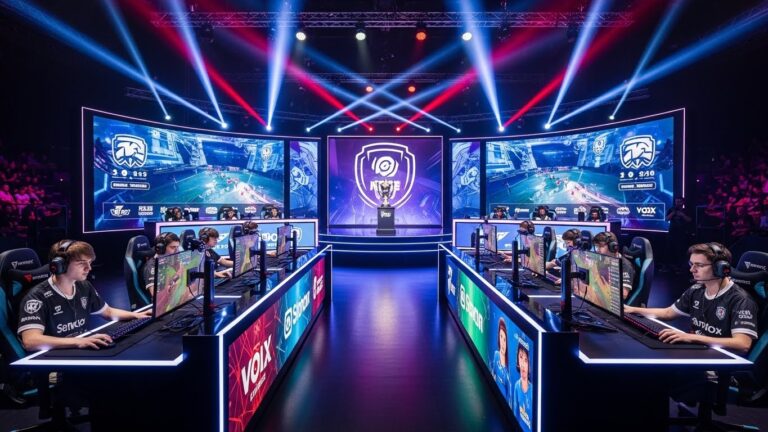
Esports has grown from casual gaming into a global phenomenon, capturing the attention of millions of fans and players worldwide. What was once considered a hobby has become a professional industry with high-stakes tournaments, dedicated teams, and a thriving economy. Beyond the excitement, esports is redefining competition, entertainment, and even career opportunities in the digital age.
1. The Evolution of Competitive Gaming
Esports started as small gatherings of gamers competing locally, but the rise of online platforms turned it into an international spectacle. Today, players train like professional athletes, focusing on strategy, teamwork, and precision. Major tournaments now feature live broadcasts and massive prize pools, transforming gaming into a serious career path for many talented individuals.
2. Games That Define Esports
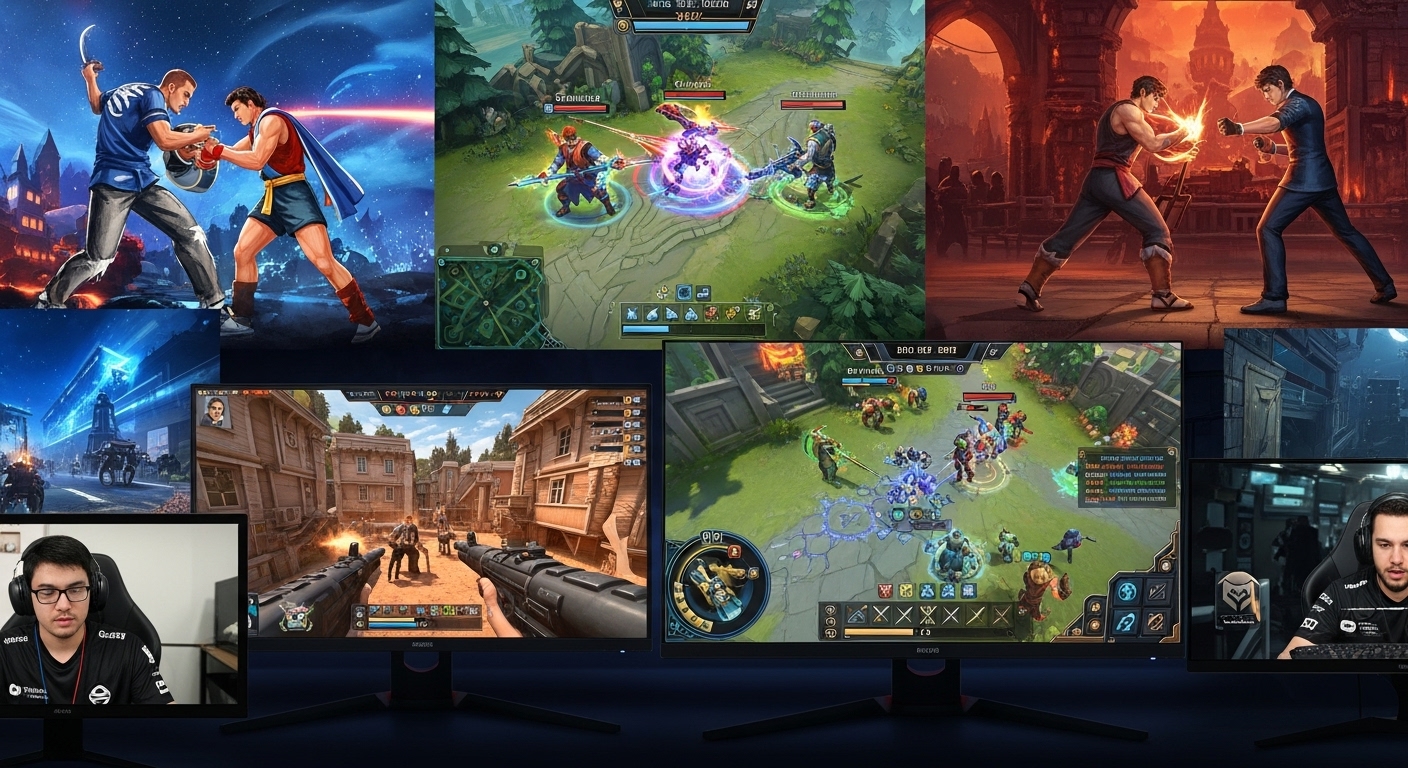
Not all games are created equal in the esports world. Multiplayer online battle arenas, first-person shooters, and real-time strategy games dominate professional competitions. Each game requires unique skills, teamwork, and strategies, offering fans a diverse and engaging experience. This variety ensures that esports appeals to a wide audience, from casual viewers to hardcore enthusiasts.
3. The Role of Streaming and Online Communities
Streaming platforms have played a crucial role in esports’ growth. Fans can watch live matches, interact with players, and become part of online communities. This level of engagement has turned esports into a social experience, where audiences share excitement, discuss strategies, and celebrate victories together. The digital nature of esports makes it accessible to anyone, anywhere in the world.
4. Careers Beyond the Controller
Esports is more than just playing games. It has created opportunities in coaching, broadcasting, event management, game analysis, and content creation. Analysts study gameplay, commentators provide live insights, and producers ensure smooth tournament operations. This ecosystem demonstrates that esports is a multifaceted industry with diverse career paths beyond professional play.
5. The Future of Esports
The future of esports looks brighter than ever. Emerging technologies like virtual reality and mobile gaming will continue to expand the scene. Collegiate esports programs are gaining traction, and international tournaments attract record-breaking audiences. As esports continues to grow, it will influence mainstream culture, redefine competition, and create new forms of entertainment for generations to come.
Conclusion
Esports is no longer just a pastime—it is a global movement that combines skill, strategy, and digital connectivity. From professional players to passionate fans, this industry is shaping the way we view competition and entertainment. As technology advances and communities expand, esports is poised to become an even more influential part of our cultural landscape.
About the Author