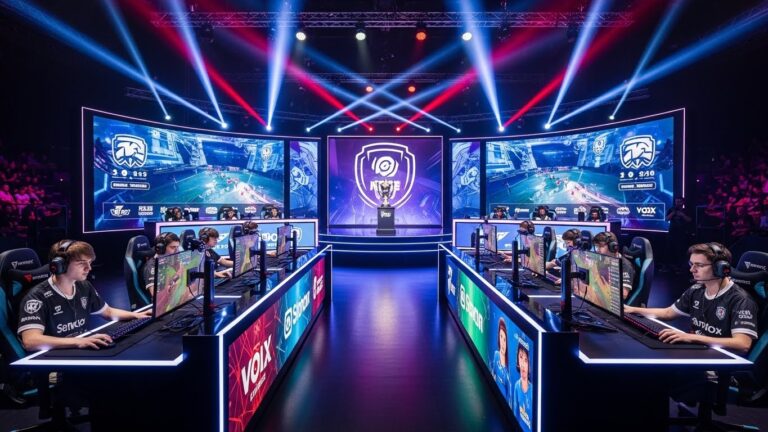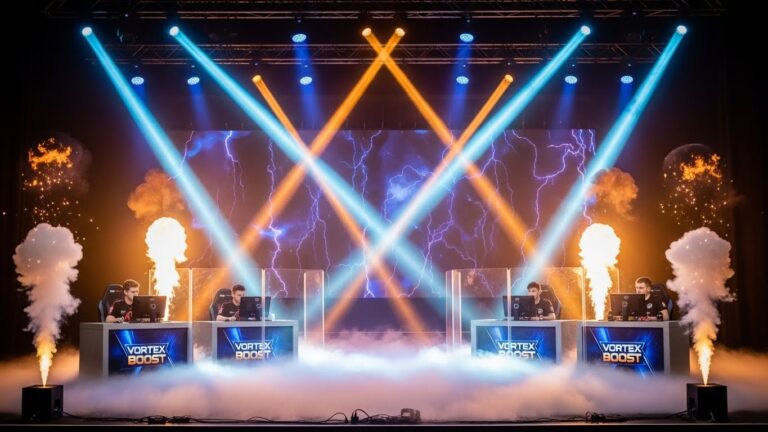
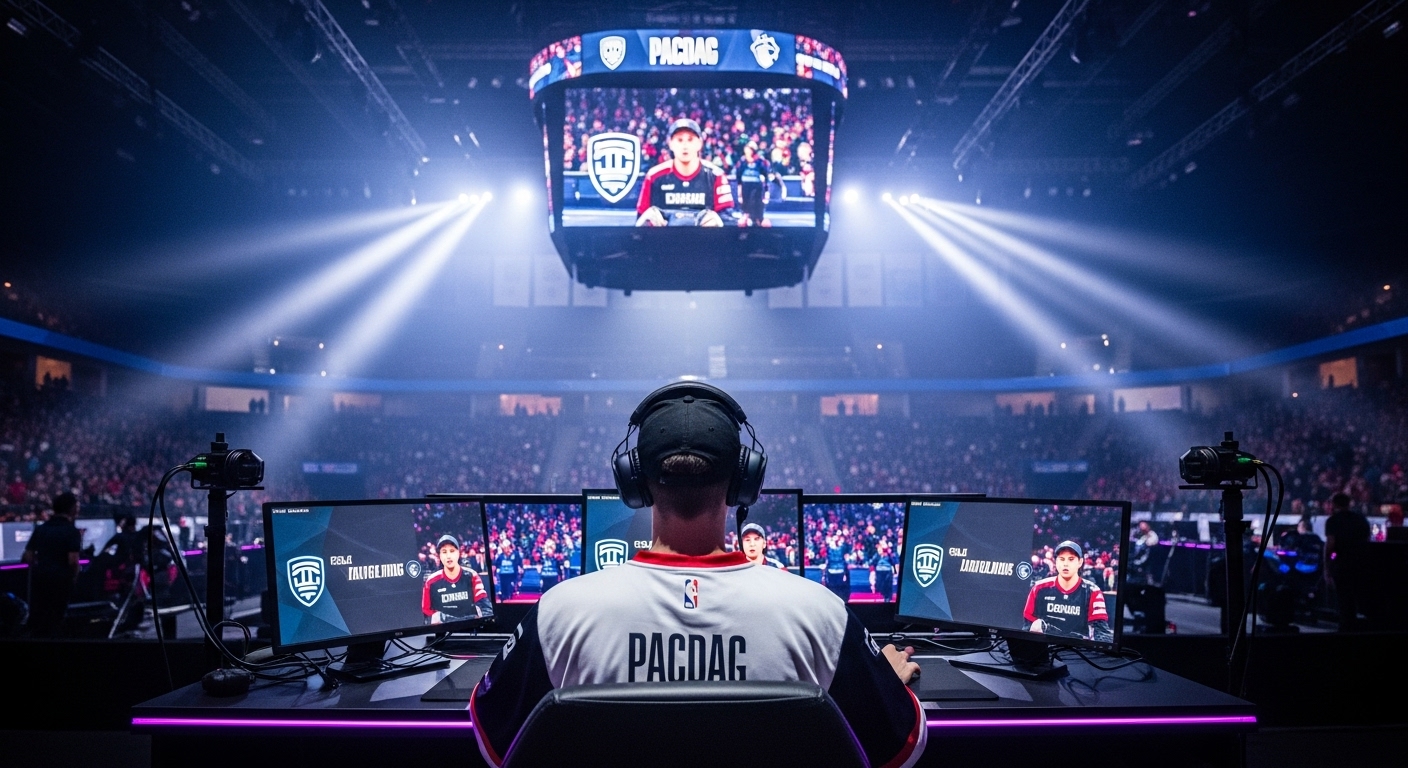
In the last decade, one industry has rapidly transformed from a niche hobby to a worldwide spectacle—esports. Competitive gaming, once seen as a pastime for a small group of enthusiasts, is now a major global industry, attracting millions of fans, lucrative sponsorships, and prestigious events. But what exactly is driving the rise of esports, and why has it captured the attention of so many? In this blog post, we explore the evolution of esports, its impact on the entertainment world, and where it’s heading in the future.
The Birth of Esports: From Arcade Games to Global Tournaments
The story of esports begins in the early days of video gaming. In the 1980s and 1990s, arcade games and simple home console games were primarily enjoyed as solo or casual experiences. However, as technology advanced, multiplayer experiences started to take shape. Games like Street Fighter II and GoldenEye 007 introduced competitive play, but it was the emergence of games like StarCraft and Warcraft that truly sparked the competitive gaming scene.
These early games laid the groundwork for esports as we know it. By the late 1990s and early 2000s, large-scale LAN (Local Area Network) tournaments began to spring up. Players could compete in real-time against others in their area or even across the globe, paving the way for online multiplayer games and, ultimately, the professional leagues we see today. Games like Counter-Strike, League of Legends, and Dota 2 are the direct descendants of this early competitive gaming landscape.
The Escalating Popularity of Esports: Why More People Are Watching
In recent years, esports has grown from a niche interest to a multi-billion-dollar industry. But what’s driving this rise in popularity? One key factor is accessibility. Unlike traditional sports, where physical skill and costly equipment can serve as barriers, esports levels the playing field. All it takes to start competing is a decent gaming setup, internet connection, and a passion for the game.
Another significant factor is the power of live streaming. Platforms like Twitch, YouTube, and Facebook Gaming allow players to broadcast their gameplay to millions of viewers worldwide. Watching esports isn’t just about seeing a game played—it’s about being part of a community, cheering for favorite players or teams, and engaging with like-minded individuals in real-time. The social aspect of streaming has become a central pillar in esports’ rise, creating an experience that feels more personal than simply watching a sports broadcast.
The Business of Esports: A Multi-Billion Dollar Industry
Esports is no longer just about playing games; it has become a thriving business. In 2023, the global esports market was estimated to be worth over $1 billion, with projections showing continued growth. This figure includes sponsorships, advertising, ticket sales, media rights, and more.
Large corporations, both inside and outside of the gaming industry, are investing heavily in esports. Brands like Intel, Red Bull, and Coca-Cola are sponsoring events, teams, and individual players, while streaming platforms like Twitch and YouTube are increasingly integrating esports content into their mainstream offerings. Moreover, traditional sports organizations have begun to notice the potential of esports, with some teams and leagues expanding into the digital realm.
The financial rewards for top-tier players and teams are substantial. In major tournaments, prize pools can reach millions of dollars. For example, The International, a tournament for Dota 2, regularly offers prize pools that exceed $40 million. The influx of sponsorships and growing viewership means that esports organizations and players can now generate significant income, making professional gaming a legitimate career path.
Professional Esports Players: The Athletes of a Digital Age
Esports players have become the new athletes of the digital age. Much like traditional sports, the best esports players dedicate countless hours to perfecting their craft. While the physical demands may not be the same as those of football or basketball players, the mental and strategic skills required to succeed in competitive gaming are just as rigorous.
Professional esports players often train for up to 12 hours a day, honing their mechanics, improving their strategies, and adapting to new patches or game updates. Like traditional athletes, they must also maintain mental focus, work with coaches, and sometimes manage the pressures of sponsorships, media appearances, and the expectations of their fanbase.
The life of a professional gamer is not without its challenges. Players face intense competition, long hours, and the inevitable burnout that can come with constantly being in the spotlight. Despite these difficulties, many players consider esports not just a career, but a true passion—one that can lead to fame, fortune, and, for some, lifelong legacies.
Esports Fans: The Growing Global Community
The rise of esports has also created a global community of fans who are just as dedicated as the players themselves. Esports fans follow their favorite players, teams, and tournaments, offering up support in the form of online discussions, fan art, and merchandise purchases. Some fans even attend live esports events, where they can cheer for their teams in person.
These fans are not merely passive viewers; they actively engage with the content, whether by participating in live chats during streams, creating content around their favorite games, or supporting players through donations or sponsorships. The interactive nature of esports has fostered a sense of belonging and camaraderie, making fans feel more connected to the sport than ever before.
Esports events, from regional tournaments to the world-renowned League of Legends World Championship, draw millions of viewers. These events are not only streamed live but often take place in massive arenas, where the energy of the crowd mirrors that of traditional sports. As esports continues to grow, expect this fanbase to expand further, with even more global competitions and dedicated fans.
The Future of Esports: What Lies Ahead?
Looking ahead, the future of esports appears incredibly promising. As technology continues to advance, we can expect even more immersive experiences for both players and fans. Virtual reality (VR) and augmented reality (AR) could change the way we experience esports, making the viewing experience more interactive and engaging than ever before. Additionally, as the mobile gaming industry continues to grow, esports could become even more accessible to players around the world.
Esports’ integration into the mainstream is also expected to increase. Already, universities are offering esports scholarships, recognizing the skill and dedication required to compete at the highest levels. Some countries are even beginning to treat esports players as professional athletes, offering legal protections and benefits similar to those of traditional sports.
Another significant development could be the continued crossover between esports and traditional sports. Many professional sports leagues, including the NBA and the NFL, are exploring the possibility of incorporating esports into their existing structures. This crossover has the potential to create new revenue streams, expand viewership, and elevate esports even further.
Conclusion: The Unstoppable Growth of Esports
Esports has undeniably come a long way since its humble beginnings in LAN rooms and arcades. It has grown into a global industry with millions of fans, top-tier players, and major sponsorships. The digital revolution that esports represents is not only reshaping how we view competitive sports but also creating a new world of entertainment. As esports continues to evolve, there’s no doubt that it will play a central role in the future of both gaming and traditional sports.
Whether you’re a casual viewer, an aspiring professional, or a die-hard fan, esports is here to stay. It’s an exciting time to be part of this fast-paced, ever-changing world, and the future looks brighter than ever for competitive gaming.
About the Author