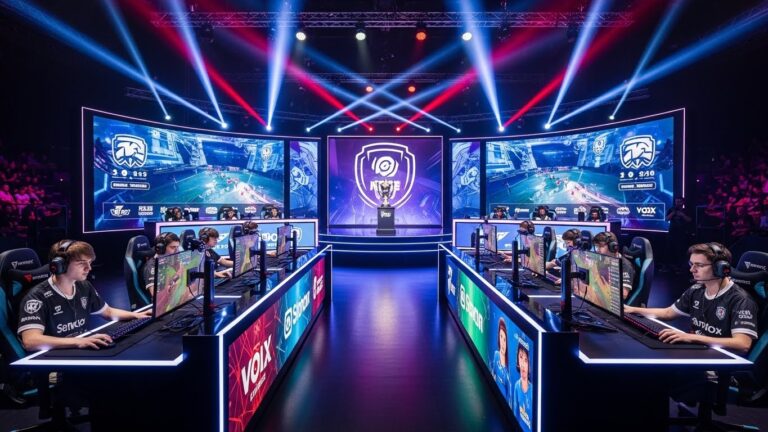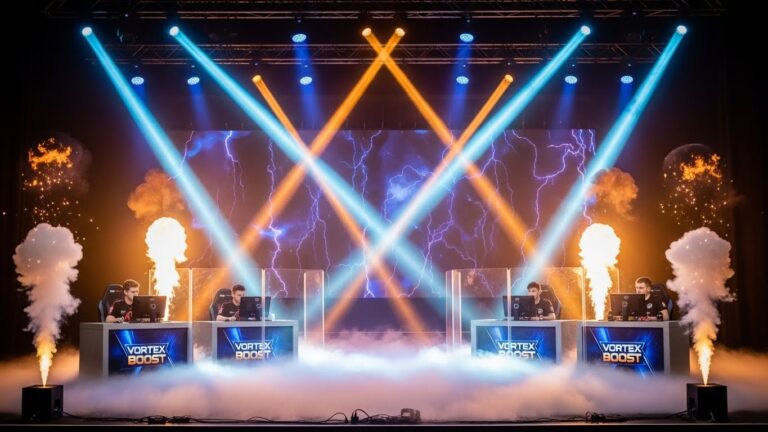
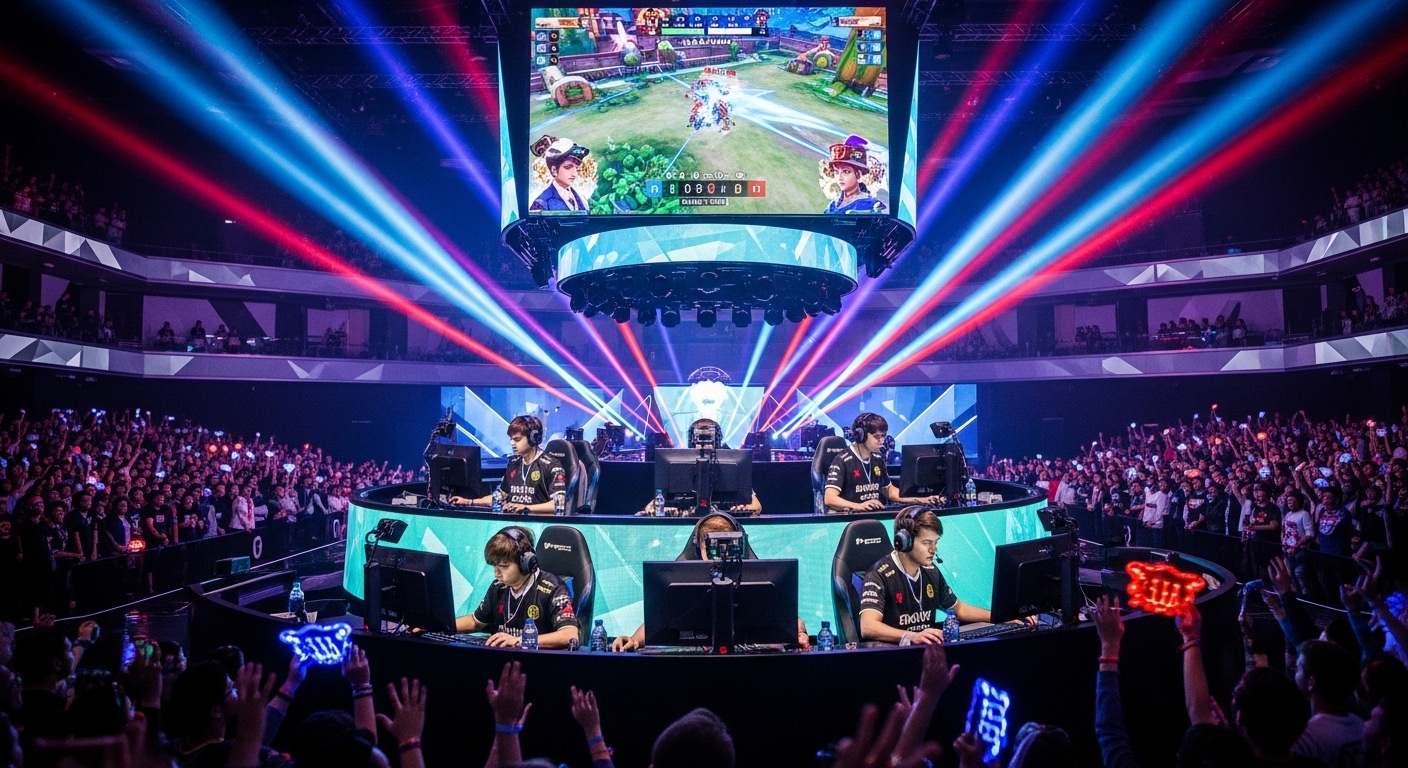
eSports has evolved into one of the most exciting and influential forms of entertainment in the digital age. What began as casual competitive gaming has grown into a professional global industry, attracting millions of players, fans, and investors. It is more than just a hobby—it is a phenomenon that is reshaping the world of sports, technology, and entertainment.
Understanding eSports
eSports, short for electronic sports, involves organized, competitive video gaming where individuals or teams compete in various game genres. From strategy-based games to first-person shooters and sports simulations, eSports demands skill, strategy, and quick decision-making. Unlike casual gaming, professional eSports players train rigorously and approach competitions with the same intensity as traditional athletes.
The Journey from Amateur to Professional
eSports has seen a remarkable transformation over the past decade. What once started as small community tournaments has grown into global events with massive prize pools, sponsorship deals, and professional teams. Major tournaments fill stadiums and attract millions of viewers online, turning competitive gaming into a legitimate sport with worldwide recognition.
Skills and Discipline Behind the Screen
Success in eSports requires more than fast reflexes. Players must possess strong strategic thinking, teamwork, communication, and mental resilience. Professional gamers often dedicate hours daily to practice, analyzing gameplay and perfecting techniques. The combination of mental sharpness and physical dexterity makes eSports a demanding and respected competitive arena.
The Business of eSports
The growth of eSports has created a multi-billion-dollar industry. Teams, tournaments, and streaming platforms generate revenue through sponsorships, advertising, and merchandise. Careers now exist beyond the players themselves, including coaches, analysts, event organizers, and content creators. The industry has proven that gaming can be both a passion and a profession.
Community and Global Culture
One of the most powerful aspects of eSports is its community. Fans from around the world come together to support teams, discuss strategies, and celebrate victories. Online platforms and live events provide spaces for interaction and engagement, fostering a culture of inclusivity, collaboration, and shared excitement. eSports has become a global cultural movement that transcends borders.
The Future of eSports
The future of eSports is bright, with advancements in technology driving innovation. Virtual reality, augmented reality, and improved streaming platforms promise more immersive experiences for both players and spectators. As more educational institutions, sponsors, and countries recognize eSports, its influence on entertainment, technology, and even education will continue to expand.
Conclusion
eSports is more than just digital competition—it is a revolutionary form of entertainment that combines skill, strategy, and community. It challenges players, engages fans, and inspires innovation in technology and culture. As eSports continues to grow, it will remain a central force in shaping the future of gaming and redefining what it means to compete in the digital age.
About the Author