Introduction to Esports
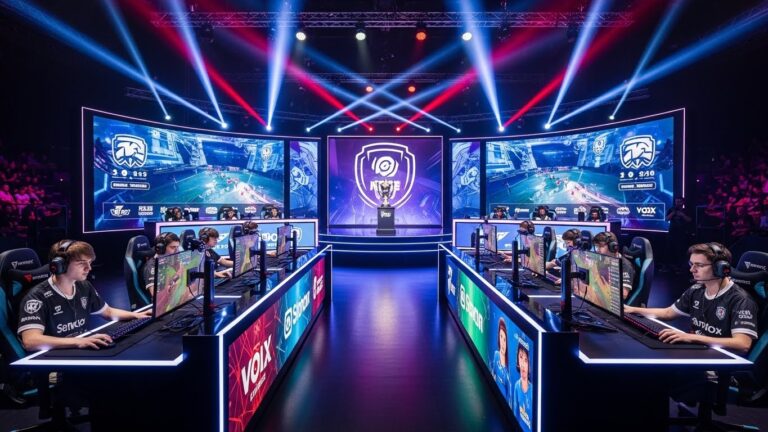
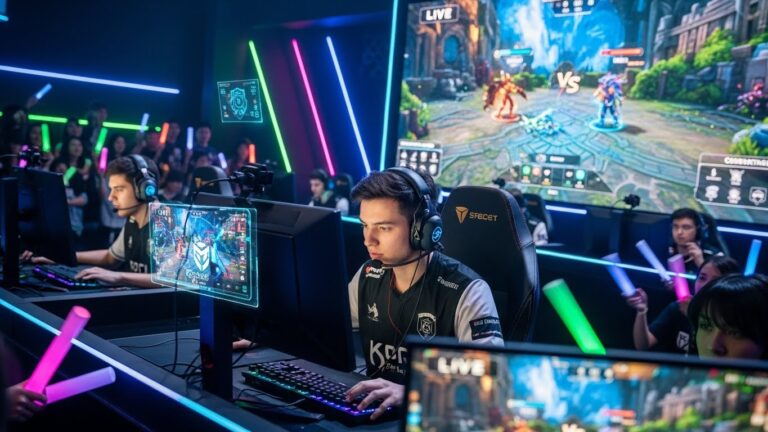
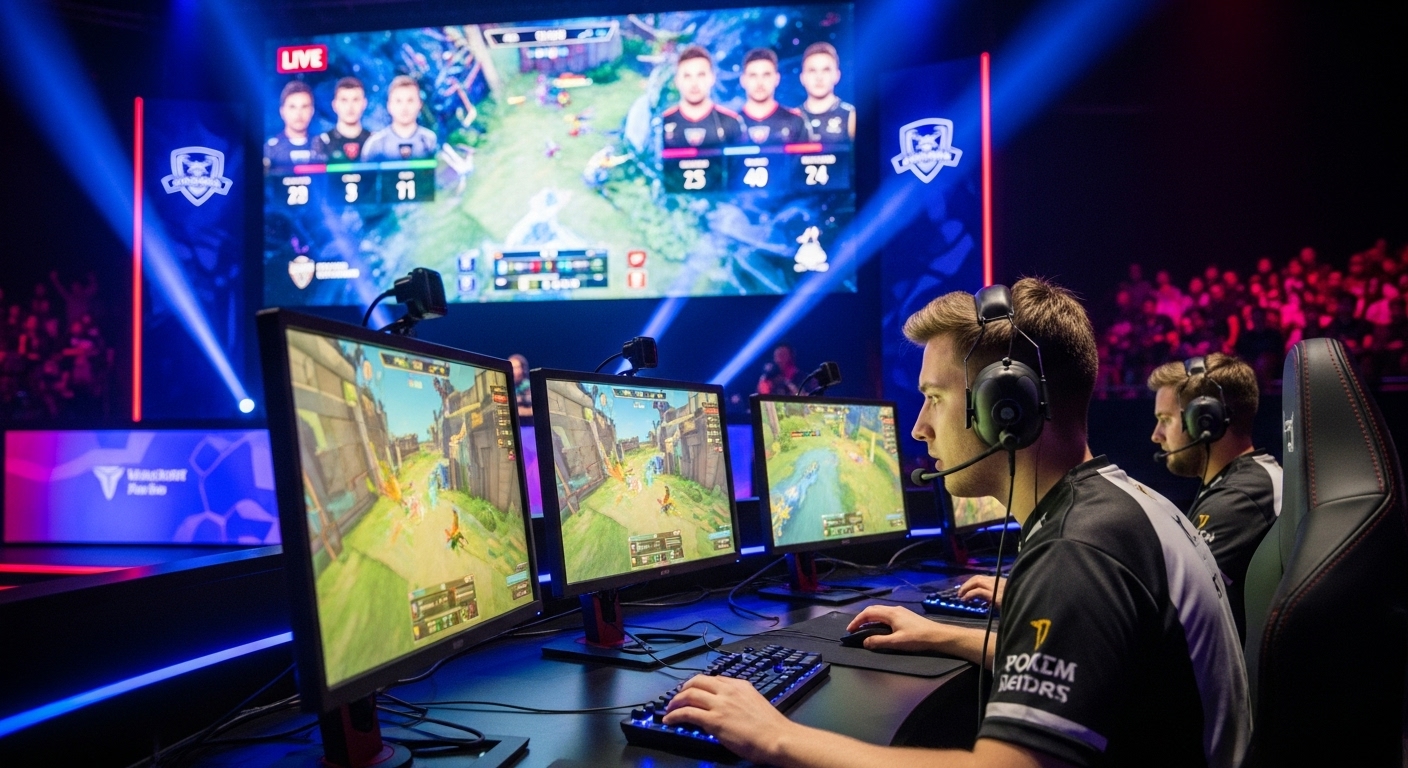
In the last two decades, the world has witnessed the extraordinary rise of esports—a phenomenon that has transformed video gaming from a pastime into a global industry. Esports, or electronic sports, refers to organized, competitive video gaming where professional players compete individually or in teams across a variety of popular games. What began as small local tournaments in the early 2000s has now evolved into massive international competitions watched by millions of fans around the globe. This transformation represents one of the most remarkable shifts in entertainment culture, blending technology, media, sportsmanship, and business into one thriving ecosystem.
The Origins of Competitive Gaming
Before the modern era of esports, competitive gaming existed in smaller, more modest forms. The first known video game competition dates back to the early 1970s, when players gathered to compete in games like Spacewar! on university campuses. The 1980s brought the rise of arcade gaming, where players challenged each other for high scores on machines like Pac-Man and Donkey Kong. These competitions were informal, yet they laid the foundation for the concept of organized gaming as a sport.
With the advent of the internet and home computers in the 1990s, multiplayer gaming began to flourish. Titles such as StarCraft, Quake, and Counter-Strike introduced the idea of players battling in real time across networks. These games established the principles of modern esports—skill-based competition, spectator engagement, and community-driven leagues. The introduction of broadband internet at the turn of the millennium further accelerated this trend, enabling large-scale tournaments and online matchmaking systems that made global competition possible.
The Explosion of Esports in the 21st Century
By the 2000s, esports had begun to find its identity. Games like Warcraft III, Halo, Counter-Strike: Source, and Dota attracted dedicated competitive scenes. South Korea became the birthplace of the esports revolution, with television networks broadcasting live matches and players achieving celebrity status. The success of Korean esports, particularly with StarCraft: Brood War, demonstrated that professional gaming could attract mainstream audiences.
The Western world soon followed. The launch of platforms such as Twitch and YouTube Gaming in the 2010s revolutionized esports broadcasting. Fans could now watch live matches, learn strategies from professional players, and connect with gaming communities across the globe. The accessibility of streaming brought esports to the forefront of pop culture, blurring the lines between gaming, entertainment, and sport.
Major Esports Titles and Their Impact
Certain games have defined the esports landscape and continue to shape its evolution. Each major title represents a unique competitive culture and fan base, contributing to the diversity of the industry.
League of Legends
League of Legends, developed by Riot Games, remains one of the most popular esports titles worldwide. Its structured leagues, such as the League Championship Series (LCS) and League of Legends Champions Korea (LCK), have created professional environments that mirror traditional sports. The annual World Championship attracts millions of viewers and features production value comparable to major sporting events.
Counter-Strike: Global Offensive
Few games have had the longevity and influence of Counter-Strike: Global Offensive. Known for its tactical gameplay and intense teamwork, CS:GO has maintained a loyal competitive community for over a decade. The game’s tournaments, such as the Majors, are among the most prestigious in esports, with players achieving legendary status through their skill and consistency.
Dota 2
Valve’s Dota 2 has earned its reputation through its strategic complexity and massive tournament prize pools. The game’s flagship event, The International, regularly sets records for the largest prize money in esports history, crowdfunded by the game’s player base. The community-driven model of Dota 2 represents how deeply fans invest in their favorite games and players.
Fortnite and Battle Royale Titles
The rise of Fortnite in the late 2010s introduced esports to a younger, more mainstream audience. The game’s mix of shooting mechanics, creative building, and vibrant aesthetics made it appealing to casual and competitive players alike. Its first World Cup showcased million-dollar prize pools and highlighted the global reach of esports in the digital era.
Mobile Esports and the Next Frontier
In recent years, mobile gaming has emerged as the next major frontier for esports. Titles such as PUBG Mobile, Mobile Legends: Bang Bang, and Free Fire have attracted enormous audiences, particularly in Asia, the Middle East, and South America. These games demonstrate that competitive gaming is not limited to expensive PCs or consoles. The accessibility of smartphones allows anyone with an internet connection to participate, bringing esports to regions previously overlooked by the traditional gaming industry.
The Esports Ecosystem
Behind every successful esports event lies a vast ecosystem of players, organizations, sponsors, and media partners. Professional teams are structured similarly to sports franchises, with coaches, analysts, and support staff working to optimize performance. Sponsorship deals from major global brands have become a primary source of income, alongside streaming revenue, merchandise, and tournament winnings.
Esports organizations often manage multiple rosters across different games, diversifying their reach and fan engagement. Companies such as Team Liquid, Fnatic, Cloud9, and T1 have become household names in gaming culture. Their players not only compete but also serve as influencers, content creators, and ambassadors for gaming as a legitimate career.
The Business of Esports
The esports industry has evolved into a multi-billion-dollar global business. Investment from technology companies, sports teams, and entertainment firms continues to drive expansion. Traditional sports franchises have entered the scene, with organizations like the NBA and football clubs creating their own esports divisions.
Revenue streams include sponsorships, advertising, media rights, merchandise, ticket sales, and digital content. While prize pools are often the most visible aspect of esports, they represent only a portion of the overall economy. The real power lies in audience engagement—fans watch, stream, and interact with esports content year-round.
Esports and Mainstream Recognition
The conversation about whether esports should be considered “real sports” has persisted for years. While traditionalists argue that physical activity defines sport, supporters emphasize the mental dexterity, reflexes, and teamwork required in competitive gaming. As technology blurs the line between the physical and digital worlds, esports continues to earn legitimacy.
Universities now offer esports scholarships, and countries recognize professional players as athletes. Major broadcasters have begun to feature esports events alongside traditional sports, acknowledging the immense audience interest. The inclusion of esports in multi-sport events such as the Asian Games marks a significant milestone in its acceptance.
Training and the Professional Lifestyle
Becoming a professional esports player requires dedication, discipline, and a deep understanding of game mechanics. Players often train for eight to twelve hours a day, analyzing strategies, practicing teamwork, and studying opponents. Physical health, mental well-being, and focus are crucial to maintaining performance, leading many teams to employ psychologists, nutritionists, and physical trainers.
However, the lifestyle is demanding. The average esports career is relatively short due to the high intensity and rapid evolution of the games. Many players transition to coaching, streaming, or content creation after retiring from professional play. This career cycle mirrors that of traditional athletes, where skill, fame, and longevity depend on constant adaptation.
The Role of Streaming and Social Media
Streaming platforms have transformed how fans engage with esports. Twitch, YouTube, and other services allow viewers to watch live matches, interact with players, and follow their favorite personalities. Social media amplifies this connection, turning professional gamers into global influencers with millions of followers.
Content creation has become an integral part of the esports experience. Players and organizations produce behind-the-scenes videos, tutorials, and vlogs, allowing fans to connect beyond the matches. This relationship between player and audience fosters a sense of community rarely seen in traditional sports.
The Cultural Impact of Esports
Esports is more than competition—it is a cultural movement. It has influenced fashion, music, and entertainment, creating crossovers with celebrities and artists. Esports arenas sell out like concert venues, and its stars grace magazine covers and advertising campaigns.
The appeal of esports lies in its inclusivity. Unlike many traditional sports, competitive gaming welcomes players regardless of gender, physique, or background. It celebrates diversity, creativity, and digital connection, reflecting the values of a new generation that grew up in an interconnected, online world.
Challenges Facing Esports
Despite its success, esports faces several challenges. Player burnout, lack of standardized regulations, and inconsistent tournament structures are ongoing issues. Cheating, match-fixing, and online toxicity also pose threats to the industry’s credibility.
Moreover, the financial sustainability of esports organizations remains complex. While top-tier teams thrive, smaller teams often struggle to survive without strong sponsorships or stable revenue. The industry must balance its explosive growth with fairness, player welfare, and integrity to ensure long-term stability.
The Future of Esports
The future of esports is bright, fueled by technological innovation and expanding global participation. Virtual reality and augmented reality may redefine competitive experiences, offering new levels of immersion. Artificial intelligence could play a role in training, analysis, and game balance.
The next decade will likely see esports integrated into mainstream education and community development. As younger generations continue to embrace digital entertainment, esports could become as commonplace as football or basketball. The combination of entertainment, technology, and athleticism makes it one of the most dynamic industries of the 21st century.
Esports as a Pathway to Opportunity
For many young people, esports represents more than a game—it’s a pathway to success. Whether through professional play, broadcasting, event management, or game design, esports creates new careers that did not exist a generation ago. Educational institutions are beginning to recognize this potential, offering degrees and training programs focused on esports management, media production, and marketing.
The ecosystem supports a wide range of professions, from shoutcasters and analysts to software developers and event coordinators. The demand for talent extends far beyond the players themselves, making esports a vital part of the digital economy.
Women in Esports
Another important evolution in the industry is the growing inclusion of women. Although esports has historically been male-dominated, female gamers and teams are gaining recognition. Initiatives promoting diversity, safety, and equality are helping women thrive in competitive environments. Players such as Sasha “Scarlett” Hostyn and Li “VKLiooon” Xiaomeng have made history by winning major international tournaments, proving that esports excellence transcends gender.
Global Reach and Community
Esports has achieved what few other sports can—global unity through digital platforms. Fans from every continent can watch the same matches, cheer for the same teams, and communicate instantly. This shared experience creates a sense of belonging that connects millions of people worldwide.
Large-scale events such as the Worlds Championship or The International bring together diverse audiences, creating cultural bridges that transcend language and geography. The global reach of esports demonstrates the power of technology to unite humanity through shared passion and competition.
Conclusion: The Legacy of Esports
Esports has evolved from humble beginnings into a worldwide cultural and economic force. It stands at the intersection of gaming, technology, entertainment, and community—an embodiment of modern digital culture. The dedication of players, the enthusiasm of fans, and the innovation of developers continue to push the boundaries of what competitive gaming can be.
As it matures, esports challenges our understanding of sport, creativity, and global connection. It represents a future where talent, strategy, and digital expression merge seamlessly. The legacy of esports will not only be defined by championships or prize pools but by how it has reshaped the way people play, watch, and connect across the world.
About the Author