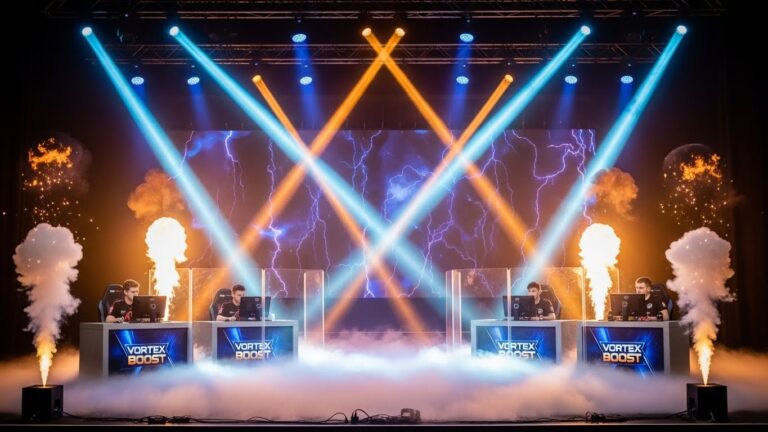

Esports, or electronic sports, has become one of the fastest-growing industries in the world. What started as a niche interest in competitive video gaming has evolved into a massive global phenomenon, attracting millions of viewers, billions of dollars in revenue, and creating professional opportunities for gamers all over the world. Esports now rivals traditional sports in terms of viewership, sponsorships, and media rights. With the proliferation of live streaming, organized tournaments, and professional teams, esports is no longer just a pastime for gamers; it’s a full-fledged, multi-billion-dollar industry that shows no signs of slowing down.
In this blog post, we will explore the rise of esports, its cultural impact, economic significance, and what the future holds for this rapidly growing sector.
What is Esports?
At its core, esports refers to organized, multiplayer video game competitions, particularly between professional players or teams. These competitions are often held in front of live audiences, streamed online, and organized in a league or tournament format. The games involved in esports range across different genres, but they are generally competitive, requiring skill, strategy, and teamwork. The most popular types of esports games include:
- Multiplayer Online Battle Arenas (MOBA): Games like League of Legends, Dota 2, and Smite belong to this category, where teams of players face off against each other, aiming to destroy the opponent’s base while defending their own.
- First-Person Shooters (FPS): Games like Counter-Strike: Global Offensive (CS:GO), Call of Duty, and Overwatch fall into this genre, where players use firearms or other weapons to eliminate opponents.
- Real-Time Strategy (RTS): StarCraft II and Warcraft III are examples of RTS games, where players gather resources, build armies, and compete to outsmart their opponents in strategic battles.
- Battle Royale: Fortnite, PlayerUnknown’s Battlegrounds (PUBG), and Apex Legends are popular games in the battle royale genre, where players or teams fight to be the last one standing in an ever-shrinking arena.
Esports events can take various forms, from regional tournaments to global championships, and can offer massive cash prizes, with the most prestigious events boasting prize pools in the tens of millions of dollars. The esports ecosystem involves players, coaches, analysts, tournament organizers, sponsors, and fans, all contributing to the industry’s explosive growth.
The Early Days of Esports
The history of esports dates back to the 1970s and 1980s, but it wasn’t until the late 1990s and early 2000s that competitive gaming began to gain momentum. The first major esports tournament was the Red Annihilation competition for Quake in 1997, where players from around the world competed for a Ferrari. This event demonstrated that competitive gaming could offer more than just bragging rights—it could offer real-world rewards, too.
As broadband internet became more accessible in the early 2000s, online multiplayer games such as StarCraft, Warcraft III, and Counter-Strike laid the groundwork for the competitive gaming scene. In 2000, the Cyberathlete Professional League (CPL) was founded, providing a platform for competitive tournaments. Other organizations, such as the World Cyber Games (WCG), further helped shape the landscape of esports by organizing global tournaments.
The growth of esports was accelerated by the rise of online platforms and streaming services. In 2011, Twitch, a live streaming platform for gamers, was launched. Twitch allowed gamers to broadcast their gameplay to a global audience, and it soon became the go-to destination for watching live esports competitions. The platform’s success helped establish esports as a mainstream form of entertainment, attracting both players and fans to the scene.
The Esports Explosion: From Niche to Mainstream
Over the past decade, esports has transformed from a hobby for a small community into a global industry. According to recent reports, the global esports market is estimated to be worth over $1.5 billion, with projections indicating continued growth in the coming years. The increasing popularity of esports can be attributed to several factors.
1. Global Reach and Streaming
One of the key factors behind the rise of esports is the global reach of streaming platforms like Twitch, YouTube Gaming, and Facebook Gaming. These platforms allow fans to watch live tournaments, follow their favorite players, and interact with the gaming community. In 2020, Twitch had over 30 million daily active users, many of whom tune in to watch esports competitions. The accessibility of esports content on these platforms has made it easier for fans from all corners of the world to engage with the sport.
Tournaments like the League of Legends World Championship and The International (Dota 2’s premier event) regularly attract millions of viewers. The ability to stream these events online has also opened up new revenue streams for esports organizations, with advertising, sponsorships, and media rights generating significant income.
2. Sponsorships and Partnerships
As esports has grown in popularity, it has attracted major corporate sponsorships and partnerships. Companies from diverse sectors, including technology, fashion, and energy drinks, have recognized the potential of esports to reach a young, tech-savvy audience. Brands like Intel, Coca-Cola, Red Bull, and Nike have all invested heavily in esports, sponsoring teams, tournaments, and events.
Esports organizations and players are also signing multi-million-dollar sponsorship deals, allowing them to increase their visibility and expand their reach. For instance, Cloud9, one of the top esports organizations, has partnerships with companies like AT&T and Logitech, while players like Ninja (Tyler Blevins) have secured lucrative deals with brands such as Adidas and Samsung.
3. The Rise of Professional Teams and Leagues
Another significant factor in the rise of esports is the development of professional teams and leagues. Just like traditional sports, esports now has established organizations and structured competition. In League of Legends, for example, the League of Legends Championship Series (LCS) in North America and the League of Legends European Championship (LEC) in Europe are highly competitive leagues where the best teams from around the world compete for titles and cash prizes.
Additionally, new leagues like the Overwatch League (OWL) have introduced city-based teams, much like traditional sports leagues. The OWL, launched in 2018, has teams representing cities such as New York, Los Angeles, and London. The introduction of franchised leagues has added stability and professional structure to esports, attracting more investors and giving players a clearer career path.
4. The Emergence of Celebrity Gamers
Another significant development in the world of esports is the emergence of celebrity gamers. Streamers and professional players are no longer just unknown individuals playing games in their homes—they have become household names. Players like Faker (Lee Sang-hyeok), Ninja (Tyler Blevins), and Shroud (Michael Grzesiek) have amassed millions of followers on platforms like Twitch and YouTube, making a name for themselves both in the esports scene and beyond.
These celebrity players have also ventured into traditional media, appearing on TV shows, podcasts, and commercials. They have become influential figures in popular culture, bridging the gap between gaming and mainstream entertainment.
The Economic Impact of Esports
Esports is no longer a niche market; it is a multi-billion-dollar industry with numerous revenue streams. According to Newzoo, a leading market intelligence firm, the global esports market was expected to generate more than $1.5 billion in revenue in 2023. This growth is driven by several factors.
1. Media Rights
Media rights are one of the largest sources of revenue in esports. The growth of streaming platforms like Twitch and YouTube Gaming has revolutionized how esports content is consumed. Major tournaments like the League of Legends World Championship and The International are broadcast live on these platforms, attracting millions of viewers worldwide. As a result, media companies are paying big money for the rights to stream these events.
In addition to streaming platforms, traditional broadcasters are beginning to recognize the value of esports. For example, in 2020, ESPN signed a deal with Valorant, a first-person shooter by Riot Games, to air major tournaments on its network. This marks a significant step in the mainstream acceptance of esports.
2. Sponsorship and Advertising
Sponsorships are another significant source of revenue for the esports industry. Brands from various sectors are eager to align themselves with esports due to its young, engaged audience. From tech companies like Intel and Alienware to beverage companies like Red Bull, sponsorships have become essential for sustaining the growth of esports organizations, tournaments, and events.
Esports organizations, such as Team Liquid, Cloud9, and G2 Esports, have lucrative sponsorships with brands like Audi, Logitech, and Monster Energy. These sponsorships provide funding for team operations, tournament prizes, and player salaries.
3. Merchandising and Ticket Sales
Merchandising is another important revenue stream for the esports industry. Many esports organizations and tournament organizers sell branded merchandise, including jerseys, hoodies, and posters. Fans are eager to support their favorite teams and players, and they are willing to spend money on merchandise to showcase their loyalty.
Ticket sales for live events also contribute to the economic impact of esports. Major tournaments, such as The International and the League of Legends World Championship, often sell out arenas, with thousands of fans attending to watch their favorite teams compete. The ticket revenue helps fund these events, while also creating a sense of excitement and community among fans.
The Future of Esports
The future of esports looks incredibly bright. With continued investment, technological advancements, and growing fan engagement, esports is poised to become an even larger global phenomenon in the coming years.
1. Technological Innovation
As esports continues to evolve, new technologies are likely to play a significant role. Virtual reality (VR) and augmented reality (AR) are already making waves in the gaming world, and they could eventually become integral parts of competitive gaming. Imagine watching a Counter-Strike match in virtual reality, where you can experience the action from the perspective of the players themselves.
Additionally, the use of artificial intelligence (AI) in training and match analysis is expected to grow, helping players and teams improve their performance. AI could be used to analyze gameplay, identify weaknesses, and suggest strategies for improvement.
2. Global Expansion
Esports is already a global phenomenon, but it has significant room to expand into new regions. While North America, Europe, and Asia dominate the esports scene, regions like Latin America, Africa, and the Middle East are emerging as key markets for competitive gaming. The rise of mobile esports, which has become especially popular in countries like India and China, will further accelerate global growth.
3. Esports in Traditional Sports
In the future, we may see more integration between traditional sports and esports. Many traditional sports teams and organizations are already investing in esports, with some creating their own teams or leagues. For example, teams from the NBA, NFL, and European soccer clubs have entered the esports scene, creating teams for games like FIFA, NBA 2K, and Rocket League.
This trend is likely to continue, as traditional sports organizations recognize the potential of esports to engage a younger audience and expand their brand.
Conclusion
Esports has evolved from a niche hobby into a global industry worth billions of dollars. With its growing fanbase, increasing investment, and professionalization of the scene, esports is now a major force in the entertainment world. The future of esports looks incredibly promising, with technological innovations, global expansion, and integration with traditional sports set to shape its growth in the years to come. Whether you’re a casual gamer or a professional player, the rise of esports offers exciting opportunities and a front-row seat to one of the most dynamic industries of the 21st century.
About the Author