Counter-Strike, commonly abbreviated as CS, is more than just a first-person shooter—it’s a phenomenon that has shaped the esports landscape over decades. From its humble beginnings as a mod for Half-Life to becoming one of the most influential esports titles in history, Counter-Strike has left a lasting legacy on competitive gaming. Its impact is seen in gameplay innovation, tournament structures, professional careers, fan engagement, and cultural influence.
Origins of Counter-Strike
Counter-Strike first emerged in 1999 as a mod for Valve’s Half-Life, developed by Minh “Gooseman” Le and Jess Cliffe. It quickly distinguished itself from other shooters with a focus on realism, teamwork, and strategy. Unlike many arcade-style shooters, Counter-Strike emphasized tactical gameplay, requiring players to communicate effectively, manage limited resources, and master the mechanics of weapons and maps.
The early popularity of CS led to the release of Counter-Strike 1.6, which became the gold standard for competitive play in the early 2000s. Its simple yet deep mechanics allowed for a high skill ceiling, making it ideal for competitive environments. Communities flourished, organizing local and online tournaments, fostering rivalries, and cultivating some of the first professional esports stars.
Counter-Strike as a Competitive Game
What set Counter-Strike apart in esports was its emphasis on teamwork and strategy over sheer reflexes. Each match was a chess game in real time, where tactics, map control, and coordination determined the outcome.
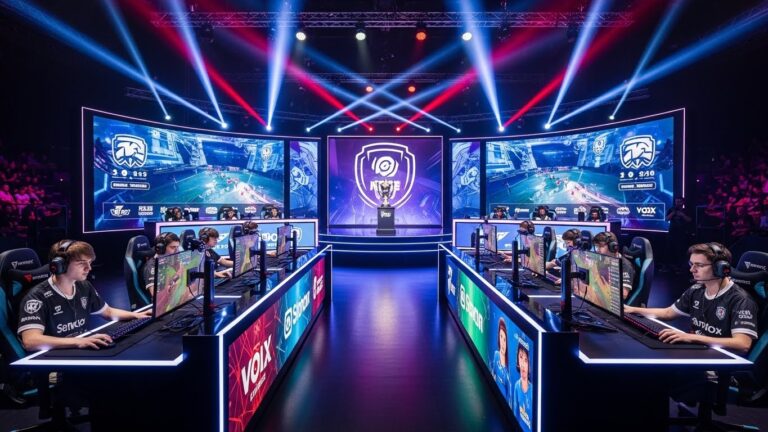
Competitive Counter-Strike developed a structure that mirrored traditional sports leagues. Teams competed in leagues, with seasonal tournaments, rankings, and qualifiers for international events. This consistency allowed fans to follow teams, players, and rivalries in a manner similar to football or basketball.
Moreover, Counter-Strike’s gameplay mechanics were highly spectator-friendly. With clearly defined objectives like bomb defusal or hostage rescue, audiences could understand the stakes even without deep knowledge of the game. This accessibility made CS tournaments a draw for both casual and hardcore fans, setting the template for future esports titles.
Iconic Tournaments and Organizations
Counter-Strike’s esports scene blossomed with major tournaments and the rise of professional teams. Some of the most influential tournaments include:
- ESWC (Electronic Sports World Cup): One of the earliest international tournaments to showcase Counter-Strike, bringing together top teams from around the world.
- Intel Extreme Masters (IEM): Pioneering large-scale LAN events with professional production quality, increasing CS’s visibility globally.
- ESL One and Major Championships: Valve later introduced official CS:GO Majors, elevating the game’s competitive ecosystem to unprecedented levels.
Legendary teams like Fnatic, Ninjas in Pyjamas (NiP), SK Gaming, Astralis, and Team Liquid became household names among esports enthusiasts. These teams not only dominated gameplay but also cultivated fan bases, inspired content creation, and set standards for professionalism in esports.
Counter-Strike: Global Offensive – A New Era
In 2012, Valve released Counter-Strike: Global Offensive (CS:GO), revitalizing the franchise and solidifying its place in modern esports. CS:GO introduced updated graphics, new maps, weapons, and mechanics while retaining the core gameplay that made Counter-Strike a competitive staple.
CS:GO’s longevity is remarkable. Over a decade after its release, it remains one of the most-played esports titles globally, consistently ranking among the top games in viewership on streaming platforms. Valve’s support through tournaments, maps, skins, and regular updates has ensured the game evolves without losing its competitive integrity.
The CS:GO Major Championships, with prize pools reaching millions, demonstrate the game’s maturity in the esports ecosystem. These tournaments attract tens of millions of viewers worldwide, proving that Counter-Strike’s legacy is not only historical but ongoing.
Player Careers and Professionalism
Counter-Strike has been instrumental in shaping professional gaming careers. Early CS players pioneered the concept of esports as a viable profession, training rigorously, joining organizations, and gaining sponsorships. Players like Emil “HeatoN” Christensen, Christopher “GeT_RiGhT” Alesund, and Oleksandr “s1mple” Kostyliev have become legends not just for their skill but for representing what it means to be a professional esports athlete.
The game’s longevity has allowed for remarkable career arcs. Some players have competed professionally for over a decade, adapting to meta shifts, evolving strategies, and changing competitive environments. Counter-Strike has also inspired coaching, analytics, and esports management, demonstrating the depth and professionalism that modern esports can achieve.
Strategic Depth and Game Mechanics
One of Counter-Strike’s most significant contributions to esports is its strategic depth. Unlike many fast-paced shooters that rely primarily on reaction time, CS demands a combination of individual skill and coordinated team play. Players must master:
- Map control: Knowing choke points, bomb sites, and rotation routes is essential.
- Economy management: Teams must decide when to buy weapons and armor or save resources for future rounds.
- Utility usage: Grenades, flashbangs, and smokes are tactical tools that require precise execution.
- Communication: Team coordination is vital; a single callout can change the outcome of a round.
This complexity has influenced the design of future esports games, showing that high-level strategy combined with individual skill creates a compelling competitive spectacle.
Cultural Impact and Community
Counter-Strike’s legacy extends beyond professional play. Its community-driven culture has shaped esports in unique ways:
- Mods and Custom Maps: From the original mod to custom maps and game modes, CS encouraged community creativity.
- Streaming and Content Creation: CS personalities, highlight reels, and tutorials helped grow esports content on platforms like YouTube and Twitch.
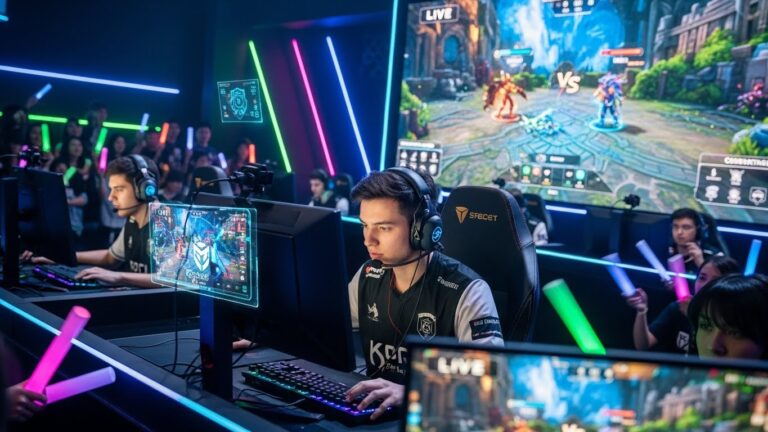
- Fan Engagement: CS teams maintain passionate fanbases, often rivaling traditional sports fandoms.
This grassroots influence demonstrates how community participation can sustain and expand a game’s relevance long after its release. Counter-Strike showed that esports isn’t just about competitions—it’s about culture, creativity, and connection.
Influence on Esports Industry
Counter-Strike’s contributions to esports are wide-ranging:
- Tournament Structure: Its early competitive scene helped define what organized esports should look like, from league play to global championships.
- Professionalism: CS players and teams set standards for training, branding, sponsorships, and fan engagement.
- Spectator Experience: CS highlighted the importance of clear objectives, dynamic gameplay, and compelling storylines for viewers.
- Longevity: CS’s enduring popularity proved that esports titles can thrive for decades with consistent support and community engagement.
Many modern esports titles, from Overwatch to Valorant, owe their competitive frameworks to Counter-Strike’s pioneering model.
Challenges and Evolution
Despite its success, Counter-Strike has faced challenges. Cheating, server issues, and balancing updates have occasionally threatened competitive integrity. CS:GO’s reliance on skin-based microtransactions also sparked debates about gambling and player influence.
However, the game’s developers, community, and tournament organizers have continually adapted, ensuring that Counter-Strike remains relevant. The transition from CS 1.6 to CS:GO and the ongoing support for competitive play illustrate resilience and a willingness to evolve with the esports landscape.
The Future of Counter-Strike
Looking ahead, Counter-Strike’s legacy is poised to continue. CS2, Valve’s anticipated next iteration, promises to modernize graphics, enhance game mechanics, and maintain the strategic depth that defines the franchise. Professional leagues and tournaments will likely continue to grow, offering players and fans new ways to engage with the game.
Moreover, Counter-Strike’s influence extends to esports education, analytics, and content creation. Aspiring esports professionals can study CS gameplay for lessons in strategy, teamwork, and professionalism. Its community remains vibrant, ensuring that CS will continue to inspire future generations of gamers.
Conclusion
Counter-Strike’s legacy in esports is unparalleled. It laid the foundation for professional gaming, pioneered tournament structures, and inspired countless players, teams, and fans. Its combination of tactical depth, spectator-friendly gameplay, and community engagement set the standard for what esports could achieve.
From a humble Half-Life mod to a global esports powerhouse, Counter-Strike has endured because it balances skill, strategy, and culture in a way few games ever have. Its impact on esports is profound, and its legacy continues to shape the industry for generations to come.
Counter-Strike isn’t just a game—it’s a cornerstone of esports history, a testament to the power of community-driven competition, and an enduring symbol of competitive excellence.
About the Author