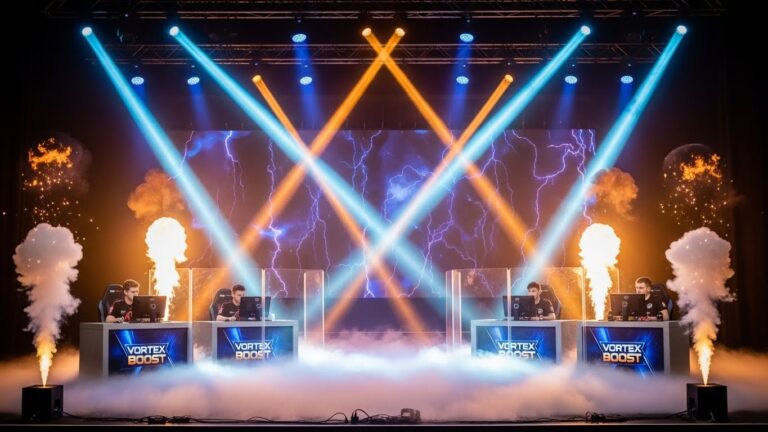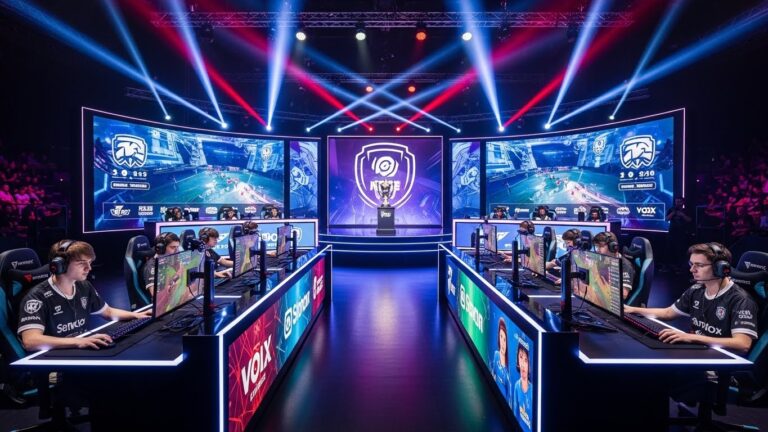
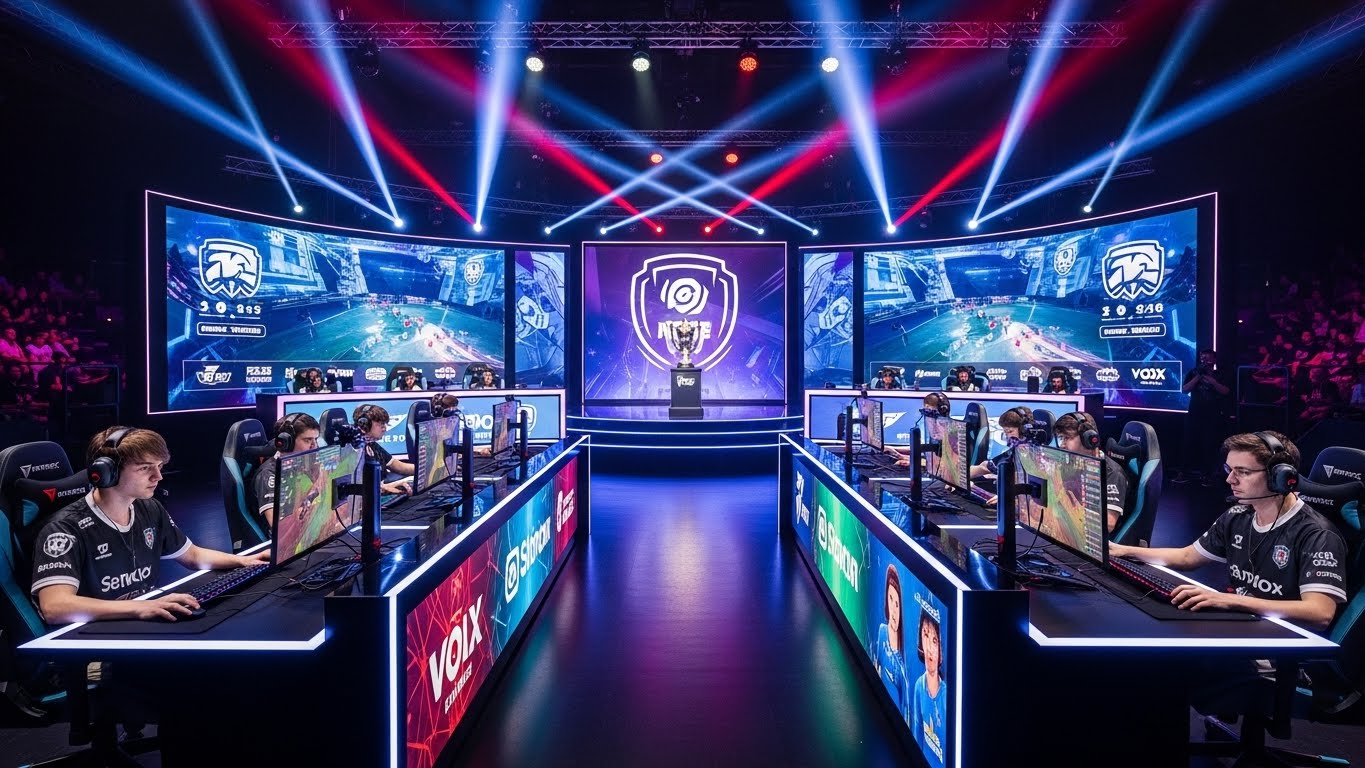
Esports, once considered a niche hobby, has grown into a global phenomenon over the last decade. Competitive gaming now commands audiences comparable to traditional sports, drawing millions of fans, offering lucrative career opportunities, and reshaping entertainment, technology, and culture. This blog explores the evolution of esports, its current landscape, challenges, and the opportunities it offers in the years ahead.
The Evolution of Competitive Gaming
Esports traces its roots back to the late 20th century, when video game competitions were small-scale events often held in arcades or local tournaments. Early competitive games like Pac-Man, Street Fighter, and StarCraft laid the foundation for structured gaming competitions. However, the concept of professional gaming was largely overlooked by mainstream audiences, considered more of a hobby than a viable career.
The advent of high-speed internet and online multiplayer platforms revolutionized gaming, enabling players from different parts of the world to compete in real time. Games such as Counter-Strike, Dota 2, and League of Legends began to cultivate communities and professional scenes. By the 2010s, esports had transformed from casual competitions into structured tournaments with substantial prize pools, sponsorships, and broadcasting deals.
Popular Esports Titles and Their Appeal
The esports industry thrives on diversity, with different games attracting unique audiences and skill sets. Multiplayer online battle arenas (MOBAs) like League of Legends and Dota 2 require strategic thinking, teamwork, and quick decision-making. First-person shooters (FPS) such as Counter-Strike: Global Offensive and Call of Duty emphasize precision, reflexes, and split-second tactical choices. Fighting games, sports simulators, and battle royale titles all contribute to the rich tapestry of competitive gaming.
Each game offers its own community, culture, and professional ecosystem. MOBAs attract fans who appreciate strategy and complex mechanics, while FPS games appeal to audiences who value fast-paced action and reflex-based gameplay. The diversity of esports titles ensures there is something for every type of gamer, contributing to the growth of a truly global audience.
The Business of Esports
Esports has evolved into a billion-dollar industry with multiple revenue streams. Sponsorships, advertising, media rights, merchandising, and tournament prize pools all contribute to its economic impact. Leading esports organizations operate similarly to traditional sports teams, employing professional players, coaches, analysts, and marketing staff to maintain competitive and financial success.
Streaming platforms have played a crucial role in monetizing esports. Gamers can broadcast their gameplay live to millions of viewers, attracting ad revenue, subscriptions, and donations. Esports tournaments are now broadcast globally, attracting audiences comparable to professional football, basketball, or tennis events. The rise of esports influencers and content creators has further enhanced engagement, blending entertainment with competition.
Career Opportunities in Esports
Professional esports careers extend far beyond playing games. While top-tier players can earn substantial income from tournament winnings, sponsorships, and streaming, the industry also offers careers in management, coaching, content creation, marketing, broadcasting, and analytics. Esports organizations hire analysts to study gameplay, strategists to guide teams, and event managers to organize tournaments.
For players, a career in esports demands discipline, practice, and mental resilience. Many teams implement rigorous training schedules similar to traditional sports, emphasizing teamwork, communication, and performance optimization. Physical health and mental well-being are also critical, as professional gaming can be mentally and physically demanding.
The Role of Technology in Esports Growth
Technology has been pivotal to the expansion of esports. High-speed internet and advanced gaming hardware have enabled seamless online competitions, connecting players and fans across the globe. Streaming technology allows tournaments to reach audiences in real time, creating a sense of community and excitement.
Virtual reality (VR) and augmented reality (AR) are emerging as the next frontier in esports, offering immersive experiences for both players and spectators. Advanced analytics tools help teams study opponents, track performance, and refine strategies. Artificial intelligence (AI) is increasingly used to simulate gameplay scenarios, providing training resources and insights that were previously unavailable. As technology continues to evolve, it will further redefine how esports is played, watched, and monetized.
Global Impact of Esports
Esports is not limited by geography; it has become a truly global phenomenon. Countries like South Korea, China, and the United States have developed professional leagues, while regions in Europe, Southeast Asia, and Latin America are experiencing rapid growth. Esports tournaments attract international audiences, with fans traveling thousands of miles to watch live events in stadiums filled with tens of thousands of spectators.
The cultural impact of esports is also significant. It has challenged traditional notions of sports, entertainment, and competition. Video games, once seen as casual pastimes, are now recognized as legitimate skill-based activities requiring strategy, precision, and teamwork. Universities and educational institutions have even begun offering scholarships and programs for esports athletes, further legitimizing the industry.
Challenges Facing the Esports Industry
Despite its growth, esports faces several challenges. Sustainability and longevity of player careers are ongoing concerns, as professional gaming can be physically and mentally taxing. Maintaining competitive integrity and addressing cheating, doping, and match-fixing are critical to building trust in the industry.
Monetization is another challenge. While top-tier events generate massive revenue, smaller tournaments and amateur leagues often struggle to secure funding. Additionally, regional disparities in infrastructure, internet accessibility, and economic support can limit the growth of esports in certain parts of the world. Finally, the industry must navigate regulatory and legal frameworks to ensure fair competition and protection for players and stakeholders.
Esports and Traditional Sports Collaboration
An interesting trend in the esports landscape is its convergence with traditional sports. Sports organizations, including football, basketball, and racing teams, have begun investing in esports divisions. This collaboration offers mutual benefits: esports teams gain legitimacy and exposure, while traditional sports organizations attract younger audiences and expand their digital presence.
Esports-themed competitions within traditional sports leagues, such as virtual football or basketball tournaments, allow fans to engage with their favorite teams in new ways. These collaborations highlight the potential for hybrid entertainment models, blending physical and digital experiences to engage a broader audience.
The Future of Esports
The future of esports looks promising and transformative. With advances in technology, expanding global audiences, and increased institutional support, esports is poised to become an even more prominent part of the entertainment landscape. Virtual reality, cloud gaming, and AI-driven analytics are likely to redefine gameplay and training, creating new opportunities for players and fans alike.
As esports continues to mature, ethical considerations will gain importance. Ensuring fair play, protecting mental health, and maintaining inclusivity will be key priorities. Additionally, the industry must address issues related to sustainability, accessibility, and equal opportunity to ensure that esports remains a global, inclusive phenomenon.
Conclusion: The Era of Competitive Gaming
Esports has evolved from small, informal competitions into a thriving global industry with cultural, economic, and technological significance. It has created new career paths, fostered international communities, and redefined how we think about competition and entertainment. The rise of esports demonstrates the power of technology, creativity, and passion in shaping new forms of human engagement.
The journey of esports is far from complete. As it continues to innovate and expand, it will challenge traditional notions of sports, entertainment, and professional achievement. Whether you are a fan, a player, or someone exploring career opportunities, esports represents a dynamic and rapidly evolving world that offers excitement, challenge, and endless possibilities.
The revolution of competitive gaming has only just begun. With global audiences, technological innovation, and creative talent driving growth, esports is no longer a niche hobby—it is a defining feature of modern entertainment, capable of inspiring the next generation of players and fans alike.
About the Author