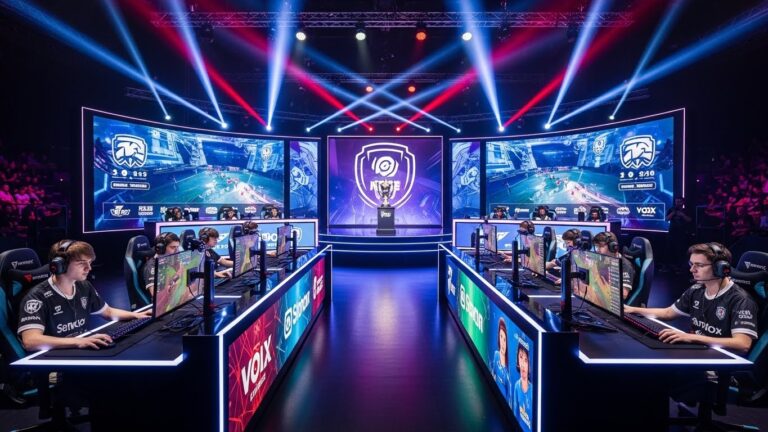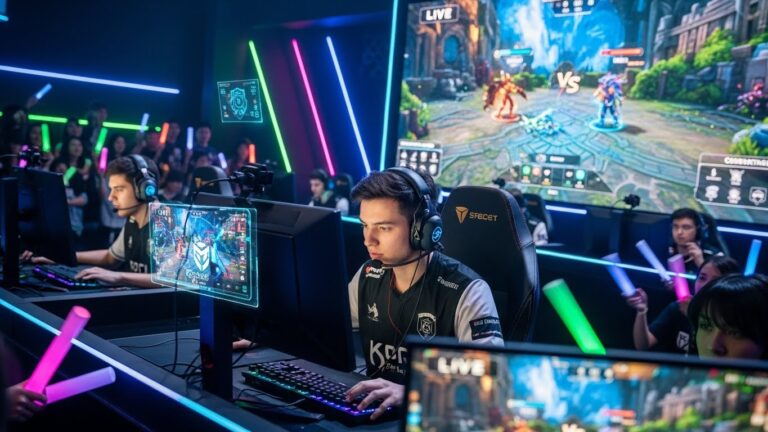
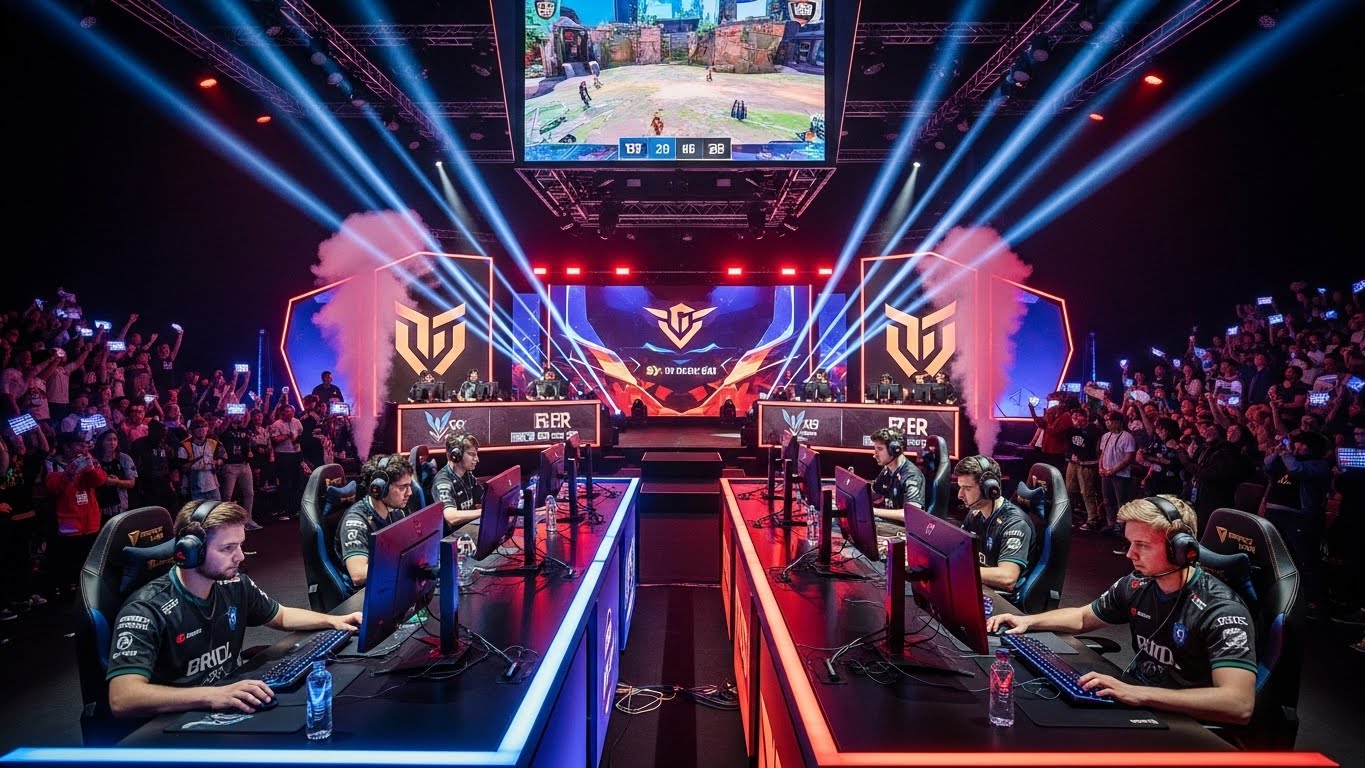
Esports has emerged as one of the most significant cultural and entertainment phenomena of the 21st century. What was once a niche hobby for a small group of gaming enthusiasts has transformed into a billion-dollar industry with a global audience that rivals traditional sports. Esports, short for electronic sports, represents competitive gaming at the highest level, where players, teams, and organizations come together to compete, entertain, and inspire millions worldwide. In this blog, we will explore the history, growth, challenges, and future of esports.
The Origins of Esports
The journey of esports began decades ago when early video game competitions started appearing in arcades. Games like Space Invaders and Pac-Man drew players into local competitions, often with small prizes for the winners. However, it wasn’t until the late 1990s that esports began to take shape as we know it today. Titles like Street Fighter, StarCraft, and Quake created communities of players dedicated to mastering their skills and competing at higher levels.
South Korea played a pivotal role in turning gaming into a professional pursuit. With high-speed internet widely available in the early 2000s, games like StarCraft became national pastimes, complete with televised tournaments and professional players. This period marked the beginning of competitive gaming as a serious endeavor rather than a casual pastime.
The Evolution of Esports
The development of online gaming platforms and streaming technology revolutionized esports. Players could now compete with others across the globe in real-time, and fans could watch tournaments live from anywhere. Games like League of Legends, Dota 2, and Counter-Strike became the pillars of the esports industry, with competitive leagues, major tournaments, and massive prize pools.
Streaming platforms provided a platform for players to engage with audiences directly. Fans could watch their favorite players compete, interact through chat, and feel connected to the gaming community. This level of engagement created a new form of fandom that rivaled traditional sports.
Understanding the Esports Ecosystem
Esports is more than just players competing in games. It is a complex ecosystem that includes players, coaches, analysts, event organizers, sponsors, broadcasters, and fans. The ecosystem thrives on collaboration and organization, and each component plays a critical role in ensuring the growth and success of esports.
Games in esports fall into several categories:
- Multiplayer Online Battle Arena (MOBA): These games, such as League of Legends and Dota 2, emphasize teamwork, strategy, and skillful execution. MOBA tournaments often attract millions of viewers globally.
- First-Person Shooters (FPS): FPS games like Counter-Strike, Call of Duty, and Valorant require quick reflexes, precise aim, and coordinated team strategies.
- Battle Royale: Games such as Fortnite and PUBG revolve around survival and strategic combat in large, dynamic arenas.
- Sports Simulations and Racing Games: Virtual versions of traditional sports, like FIFA or NBA 2K, allow players to compete in realistic sports environments, bridging the gap between gaming and conventional sports.
This diverse gaming ecosystem caters to a wide range of player skills and fan interests, making esports inclusive and expansive.
Esports as a Career Path
Esports is no longer just a hobby; it has become a legitimate career option. Professional gamers earn money through tournament winnings, sponsorships, streaming, and content creation. Top-tier players can earn salaries and bonuses that rival traditional athletes, with some making millions each year. Beyond players, career opportunities in esports extend to coaching, event management, analysis, broadcasting, and marketing.
Educational institutions have recognized the potential of esports, offering scholarships and programs focused on game strategy, teamwork, and communication. These programs provide students with both a pathway to professional competition and a foundation for life skills that extend beyond gaming.
The Cultural Impact of Esports
Esports has reshaped global culture, altering perceptions of gaming and entertainment. It has transformed gaming from a solitary or casual activity into a communal and competitive experience. Esports events attract large audiences, both online and in arenas, creating shared experiences that foster community.
Streaming platforms have amplified the cultural impact of esports. Fans can watch live gameplay, interact with players in real-time, and participate in global events from the comfort of their homes. This interactivity creates a sense of connection and belonging that traditional sports sometimes struggle to achieve. Moreover, esports transcends geographical boundaries, bringing together players and fans from diverse backgrounds united by a shared passion.
The Business of Esports
Esports is a rapidly growing industry with significant economic influence. Sponsorships from technology companies, apparel brands, and energy drink manufacturers are commonplace. Advertisers view esports as an opportunity to reach younger audiences who are increasingly disengaged from traditional media. Tournament organizers generate revenue through ticket sales, merchandise, and broadcasting rights, while streaming platforms offer subscription models and ad-sharing programs that allow fans to support their favorite players directly.
Investors are increasingly treating esports as a serious asset class, recognizing its potential for growth and profitability. The combination of professional competition, fan engagement, and sponsorship revenue has transformed esports into a robust business ecosystem.
Challenges Facing Esports
Despite its rapid growth, esports faces challenges. Player burnout is a significant concern, as professional gaming demands intense practice schedules, mental focus, and adaptability. This can lead to stress, fatigue, and health problems if not managed properly. Organizations are addressing this issue by implementing structured schedules, mental health support, and wellness programs.
Recognition remains another challenge. Although esports continues to gain legitimacy, it still faces skepticism from some sectors of society. Critics often dismiss gaming as recreational, overlooking the skill, strategy, and dedication required to compete professionally. Additionally, ethical issues such as cheating, match-fixing, and performance-enhancing software present ongoing regulatory challenges for the industry.
The Future of Esports
The future of esports is bright and full of potential. Emerging technologies such as virtual reality (VR) and augmented reality (AR) promise to create more immersive competitive experiences. VR tournaments could revolutionize gameplay by adding physicality and depth, while AR may enhance spectator experiences in live events.
Esports is also likely to continue its integration with traditional sports. Partnerships between sports leagues and esports teams are already creating crossover events and shared fan bases. Mobile esports is another area of rapid growth, particularly in regions where smartphones dominate gaming culture.
Grassroots development and educational initiatives will be critical for sustaining growth. As more institutions invest in youth tournaments and training programs, the talent pool will expand, ensuring the continued success and competitiveness of professional esports.
Esports and Society
Esports has significant societal implications. Competitive gaming fosters cognitive skills such as strategic thinking, problem-solving, and teamwork. It teaches resilience, adaptability, and emotional regulation—skills that are valuable both inside and outside of gaming. Esports also provides an inclusive platform where people of different ages, genders, and abilities can compete on equal footing.
While some critics argue that gaming promotes sedentary lifestyles, esports offers benefits that extend beyond physical activity. It encourages collaboration, creativity, and personal development, providing young people with opportunities for growth, networking, and career development.
Conclusion: Esports as a Cultural Revolution
Esports has evolved from a small-scale hobby into a global cultural and economic powerhouse. It challenges traditional notions of competition, entertainment, and community. With professional careers, fan engagement, and technological innovation, esports is no longer just a pastime—it is a transformative force shaping the future of entertainment and sports.
From local arcade tournaments to international arenas filled with cheering fans, esports represents the next frontier in competitive engagement. It is a space where skill, strategy, and creativity converge, providing opportunities for personal and professional growth. Esports is more than a game; it is a cultural revolution that continues to expand its influence and inspire millions around the world.
About the Author