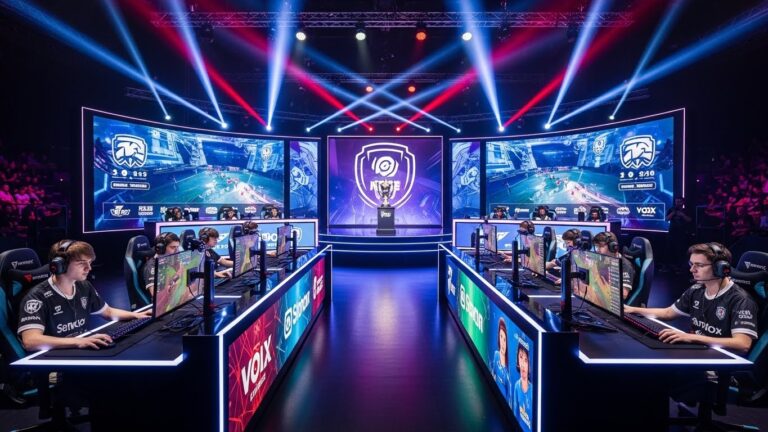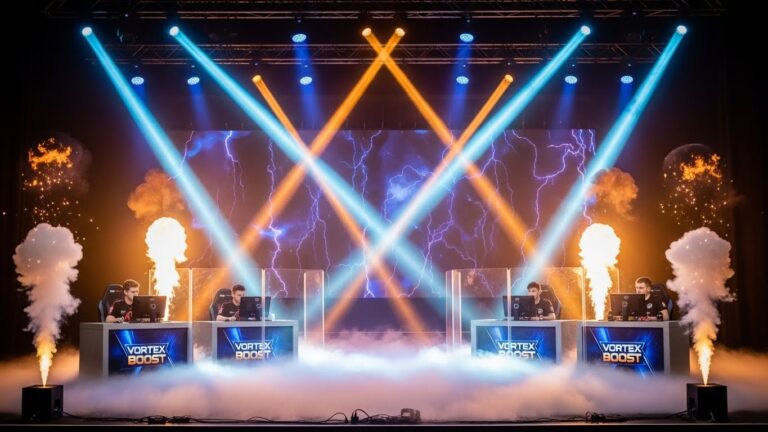
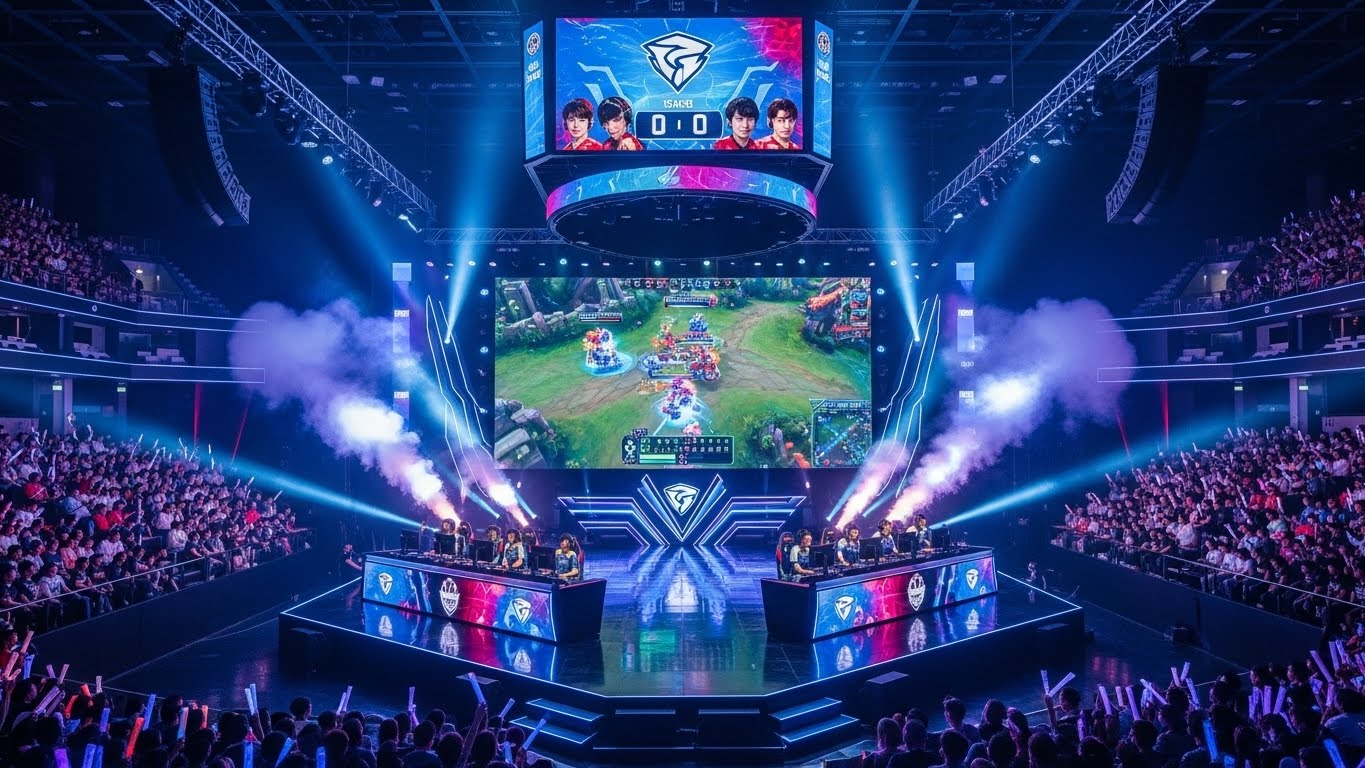
Esports has undeniably transitioned from a niche hobby to a global phenomenon. What once began as casual video game tournaments has now evolved into a multi-billion-dollar industry with millions of fans, players, and sponsors around the world. Today, esports is not just about gaming; it’s about entertainment, community, and culture. The rise of esports has given birth to new career opportunities, revolutionary marketing strategies, and has changed how we view video games in general.
In this blog post, we’ll explore the multifaceted world of esports, its growth, impact on society, the business behind it, and what the future holds for this exciting industry.
The Evolution of Esports
From Hobby to Global Industry
Esports traces its roots back to the early 2000s, when competitive gaming began to gain traction with games like StarCraft and Quake. Back then, tournaments were small, local affairs, often organized by gaming communities or independent organizers. However, as internet speeds increased and streaming platforms like Twitch emerged, esports began to find its footing on a global scale.
The first major milestone in the growth of esports came in 2011 with the introduction of League of Legends (LoL) by Riot Games. LoL quickly became one of the most popular competitive games in the world, and its annual World Championship became a highly anticipated event, drawing millions of viewers. This success proved that there was a sizable audience for professional gaming, and soon, other game developers followed suit, creating competitive ecosystems for titles like Dota 2, Counter-Strike: Global Offensive, and Overwatch.
By the mid-2010s, esports had attracted significant investments from major companies, including traditional sports teams and entertainment conglomerates. As a result, esports evolved from a grassroots activity into a massive global industry with professional leagues, multi-million dollar sponsorships, and a growing fanbase.
Esports and the Streaming Revolution
One of the major catalysts behind the growth of esports was the rise of live streaming platforms. Twitch, launched in 2011, became the go-to platform for gaming content, allowing players to stream their gameplay in real time and interact with fans. The platform became a hub for esports broadcasts, with tournaments, events, and casual streams garnering millions of viewers each year.
Twitch’s influence cannot be overstated. It allowed fans to watch live events, cheer on their favorite players, and even contribute directly through donations and subscriptions. The sense of community that grew around Twitch streams helped create a unique culture of esports fandom, one that continues to thrive today.
Moreover, other streaming platforms like YouTube Gaming, Facebook Gaming, and Trovo have also contributed to the increasing visibility of esports, allowing for even more exposure to the industry.
The Business Side of Esports
Sponsorships and Partnerships
The economic impact of esports is vast, with major companies across various industries investing heavily in the scene. Sponsorships have played a significant role in fueling the growth of esports, with brands from outside the gaming industry — including energy drinks, financial services, and automotive companies — jumping on board.
For example, Red Bull has long been associated with esports, sponsoring major tournaments, players, and teams. Likewise, Coca-Cola, Intel, and Samsung have all partnered with esports leagues and tournaments to enhance their visibility among younger, tech-savvy audiences.
Partnerships between esports organizations and traditional sports teams have also become more common. NBA teams like the Philadelphia 76ers and Cleveland Cavaliers now own esports franchises, while football clubs such as Manchester City and Paris Saint-Germain have ventured into the esports space. These cross-industry collaborations have not only increased the legitimacy of esports but have also broadened its reach to fans of traditional sports.
Tournament Prize Pools and Player Salaries
Another key aspect of the esports economy is the prize money associated with competitive gaming. Major tournaments such as The International for Dota 2 and League of Legends Worlds offer prize pools in the tens of millions of dollars, attracting top-tier players from around the world. The International 10, for example, had a prize pool of over $40 million, the largest in esports history.
In addition to tournament prizes, many professional players earn a living through sponsorships, streaming, and content creation. Popular streamers like Ninja, Shroud, and Pokimane have turned their gaming talents into multimillion-dollar careers, thanks to brand deals, merchandise sales, and platform revenue.
The Role of Esports Organizations
Professional esports organizations play a crucial role in supporting players, managing sponsorships, and organizing tournaments. These organizations are akin to traditional sports teams, complete with managers, coaches, and analysts, all of whom contribute to the success of the team. Popular esports organizations like Cloud9, Team Liquid, FaZe Clan, and T1 have built massive followings, and their teams compete in various games, from League of Legends to Fortnite to Valorant.
These organizations not only recruit and train players but also handle much of the business side, including sponsorships and merchandise sales. As the industry has grown, many esports teams have expanded into other areas, such as content creation, branded merchandise, and event management, further contributing to the financial ecosystem of esports.
The Cultural Impact of Esports
Changing Perceptions of Gaming
Esports has had a profound effect on how society views gaming as a whole. Historically, gaming was often seen as a solitary activity or a hobby for children and teenagers. However, with the rise of esports, gaming has become a legitimate form of entertainment that attracts players and fans of all ages.
Esports has also helped elevate video gaming as a competitive sport. Many young gamers now aspire to become professional esports athletes, much like how a child might dream of becoming a professional football or basketball player. As a result, gaming culture has become more mainstream, and many individuals who once might have been criticized for their gaming habits now find themselves part of a global community.
Esports as a Social Platform
Esports has also become a major social platform. Online multiplayer games allow players to connect with others across the globe, creating a sense of community and camaraderie. Esports tournaments and streams provide fans with a shared experience, allowing them to interact, cheer for their favorite players, and bond over their love of gaming.
This sense of connection extends beyond gameplay. Many esports players have a large following on social media, and fans often engage in direct communication with them. Social media platforms like Twitter, Instagram, and TikTok provide a space for esports influencers to showcase their personalities and interact with fans, further deepening the relationship between players and their communities.
The Role of Fans and Communities
At the heart of esports is its passionate fanbase. Esports fans are some of the most dedicated, vocal, and engaged audiences in the world. Whether it’s attending live events, watching streams, or supporting their favorite players on social media, fans are integral to the success of the esports ecosystem.
The sense of loyalty among esports fans is extraordinary. Just like in traditional sports, fans will follow a particular team or player through thick and thin, showing unwavering support regardless of the outcome of the competition. This level of dedication contributes to the rapid growth of the esports industry, as fan engagement directly correlates with increased viewership and revenue.
The Future of Esports
The Growth of Mobile Esports
One of the most exciting developments in the esports scene is the rise of mobile gaming. Mobile esports has exploded in popularity, particularly in regions like Southeast Asia, India, and China, where mobile phones are often more accessible than gaming consoles or PCs.
Games like PUBG Mobile, Free Fire, and Clash Royale have become staples of the mobile esports scene, with massive tournaments and prize pools. As smartphone technology continues to improve, mobile esports is expected to grow even further, making competitive gaming more accessible to a global audience.
The Integration of Virtual and Augmented Reality
Virtual and augmented reality are rapidly advancing technologies that could play a key role in the future of esports. VR gaming offers a highly immersive experience, and with the development of VR headsets and motion-capture technology, the potential for VR esports is immense. While the industry is still in its early stages, VR esports tournaments could become a major trend in the coming years, offering players and fans alike a new way to experience competitive gaming.
Similarly, augmented reality (AR) could be used to enhance live broadcasts of esports events, offering viewers an interactive and dynamic experience. For example, AR could be used to display real-time stats and player information during a live stream, creating a more engaging and informative experience for the audience.
Esports in Education and Career Opportunities
Another promising aspect of the future of esports is its growing presence in education. Many universities and colleges now offer esports programs, providing students with the opportunity to pursue careers in gaming, game design, content creation, and event management. Esports scholarships are becoming more common, and academic institutions are investing in state-of-the-art facilities for competitive gaming.
In addition to the rise of esports in education, there are also increasing career opportunities in the esports ecosystem. Beyond professional players, individuals can pursue careers as coaches, analysts, streamers, game developers, event organizers, and marketers. As the industry continues to expand, the demand for talent will only increase, making esports a viable career option for many.
Conclusion: Esports as the Future of Entertainment
Esports has firmly established itself as one of the most exciting and rapidly growing industries in the world. Its rise from a niche hobby to a global multi-billion-dollar ecosystem has been nothing short of remarkable. With its increasing popularity, expanding business opportunities, and growing cultural impact, esports is here to stay. Whether you’re a casual gamer, a dedicated fan, or a professional player, the world of esports offers something for everyone.
As the industry continues to evolve, one thing is clear: esports is not just a passing trend, but the future of entertainment
About the Author