Esports, short for electronic sports, is one of the fastest-growing sectors in the entertainment and sports industries. Over the last decade, it has transformed from a niche hobby to a global phenomenon. With millions of viewers, sponsorship deals worth billions, and athletes who are considered celebrities in their own right, esports is no longer just a trend – it’s a new era in sports. This blog delves into the rise of esports, exploring its origins, the factors contributing to its growth, and its future potential in shaping the entertainment landscape.
The Origins of Esports: A Digital Playground
The history of esports can be traced back to the early days of competitive gaming, starting with simple tournaments held around arcade games in the late 1970s and early 1980s. One of the first recorded competitive video gaming events took place in 1980, where contestants gathered to compete in the game Space Invaders. Over the years, competitive gaming gained more popularity with games like Street Fighter, Doom, and Quake, and the first professional esports organizations began to form in the 1990s.
In the early 2000s, the internet revolutionized how people interacted with games. With the rise of online multiplayer games, competitions could now be held on a global scale. The introduction of titles like Warcraft III, StarCraft, and Counter-Strike laid the foundation for what would become modern esports. It was around this time that major esports tournaments and leagues began to emerge, with games like StarCraft II and League of Legends setting the stage for the enormous global competitions we see today.
The Explosive Growth of Esports
Esports, in its current form, began to truly take off in the 2010s, as the gaming industry itself reached new heights. Several key factors contributed to its meteoric rise.
Streaming Platforms: Bringing Esports to the Masses
One of the most significant factors in the rise of esports is the growth of streaming platforms, particularly Twitch. Launched in 2011, Twitch allowed gamers to broadcast their gameplay to an international audience. Within a few years, it became the go-to platform for esports events, with major tournaments being streamed live and attracting millions of viewers. The ability to watch esports in real-time, interact with players and other viewers, and even access educational content for aspiring gamers has played a crucial role in the growing popularity of esports.
Moreover, the rise of platforms like YouTube and Facebook Gaming further broadened the accessibility of esports content. The rise of content creators and streamers who specialize in competitive gaming has also contributed to the visibility of esports, offering audiences a more personalized and engaging experience. As streaming technology became more advanced, esports gained even more mainstream attention, drawing in fans from all over the world.
Esports Arenas: A New Venue for Competition
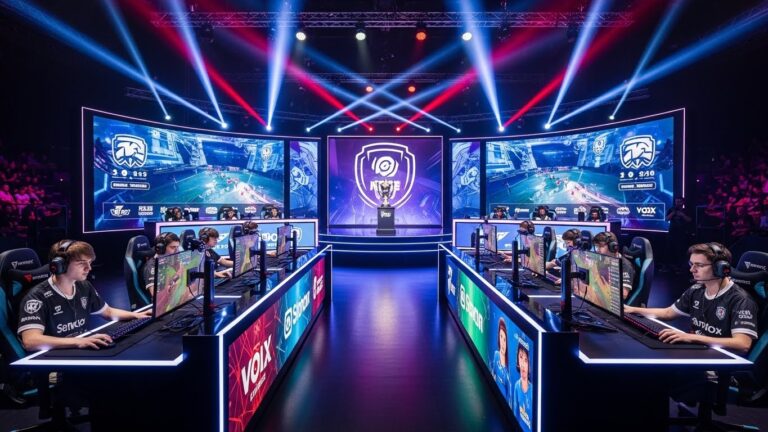
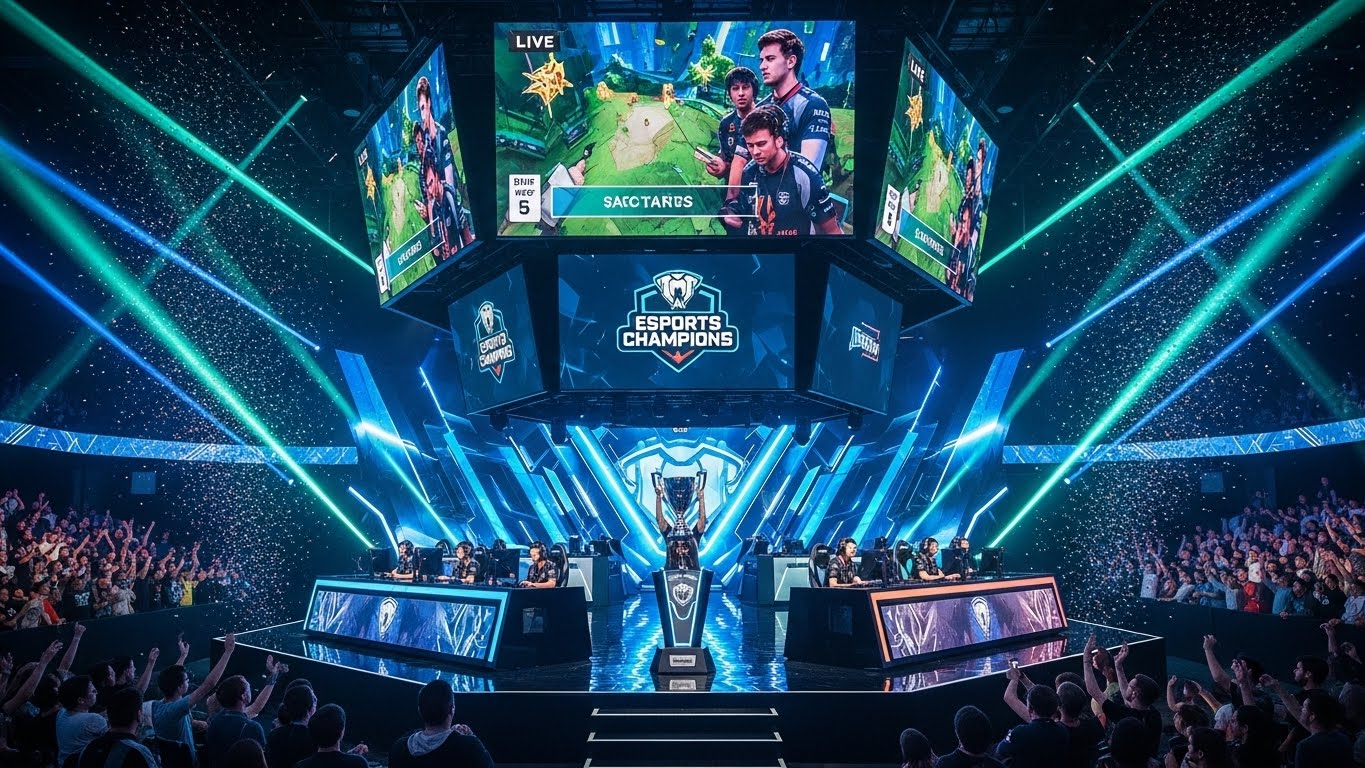
In parallel with the rise of digital streaming, the physical presence of esports also grew. Large-scale tournaments, such as The International for Dota 2 and League of Legends World Championship, began to sell out major arenas and stadiums across the globe. The creation of specialized esports arenas in cities like Los Angeles, Seoul, and Shanghai has helped cement esports as a legitimate sporting event. These venues cater specifically to the needs of esports competitions, providing top-of-the-line gaming equipment, high-speed internet, and immersive spectator experiences.
As esports competitions became more professional, major sports organizations, such as the NBA, started to invest in esports teams. The NBA’s NBA 2K League, which launched in 2018, is an example of traditional sports organizations blending with the esports landscape. This partnership between traditional sports and esports is increasingly common, helping to legitimize esports as a mainstream form of entertainment.
Sponsorships and Investments: A Multibillion-Dollar Industry
Esports is now a multibillion-dollar industry, attracting major investments from tech companies, beverage brands, automotive giants, and even traditional sports teams. Companies like Intel, Coca-Cola, and Red Bull have sponsored major esports tournaments, while tech firms like Alienware and Logitech provide gaming equipment. Esports organizations have also partnered with betting companies and streaming platforms to enhance their revenue streams.
The rise of esports has created new revenue opportunities, including sponsorships, advertising, media rights, and ticket sales. Major publishers like Riot Games, Valve, and Blizzard Entertainment also monetize their esports ecosystems through in-game purchases, skins, and tournament licenses. The prize pools for esports tournaments have also grown exponentially. For example, The International 2021, a Dota 2 tournament, had a record-breaking prize pool of over $40 million.
Global Reach and Cultural Impact
Another important aspect of esports’ success is its ability to transcend borders. While traditional sports may be confined to specific regions, esports is inherently global, connecting players from different cultures, languages, and time zones. This global appeal is reflected in esports’ massive online audience. Popular games like League of Legends, Counter-Strike: Global Offensive, and Fortnite have millions of active players from all corners of the globe.
Esports has also become a cultural phenomenon, influencing everything from fashion to music. Major gaming tournaments are now broadcast on traditional TV networks, and the esports lifestyle is reflected in everything from clothing brands to video game soundtracks. The growing influence of esports has made it an integral part of pop culture, particularly among younger generations who see professional gamers as role models.
Esports Athletes: A New Breed of Athlete
With esports reaching new heights of popularity, professional gamers – or “esports athletes” – have gained significant recognition and respect. These players often spend hours, if not days, training to perfect their skills, with some teams holding practice schedules that rival those of traditional sports teams. The mental and physical endurance required to compete at the highest levels is just as demanding as in any other sport.
Esports athletes have their own fanbases, merchandise, and sponsorships, and many are paid lucrative salaries. Top players can make millions from tournament winnings, endorsements, and streaming. For example, Fortnite star Tyler “Ninja” Blevins became a household name, earning millions in revenue from his Twitch streams and partnerships with companies like Adidas and Red Bull.
However, unlike traditional athletes, esports players often face unique challenges. Many of them start their careers at a young age, and the intense pressure to perform can be mentally taxing. The physical toll of sitting in front of a computer for hours on end can lead to injuries such as carpal tunnel syndrome or eye strain. Some players experience burnout or struggle with the social isolation that comes with competitive gaming. Despite these challenges, the rise of esports athletes has made professional gaming an increasingly viable career option for many.
The Future of Esports: The Road Ahead
As esports continues to grow, its future seems boundless. The increasing number of esports leagues and tournaments will likely lead to more structured and standardized competition. As viewership and sponsorships grow, it is anticipated that more mainstream media outlets will begin to cover esports events, bringing the sport to even larger audiences.
One area where esports is expected to see significant growth is in the field of education. As the demand for skilled esports professionals rises, universities around the world are beginning to offer scholarships and degree programs in esports management, game design, and content creation. This will not only professionalize the industry but also provide aspiring players with a pathway to a successful career in esports.
Moreover, the integration of emerging technologies like virtual reality (VR) and augmented reality (AR) could radically change the way people experience esports. VR could allow viewers to immerse themselves in esports events from the comfort of their homes, while AR could make live esports tournaments more interactive and engaging.
Esports may even play a role in the future of the Olympic Games. The International Olympic Committee has already shown interest in the idea of including esports in future Olympic events. While debates continue about whether esports qualifies as a “real” sport, the growing recognition of esports as a global entertainment force could eventually lead to its inclusion in major sporting events.
Conclusion
Esports has come a long way since its humble beginnings in the arcades of the 1980s. Today, it stands as a multibillion-dollar industry with a massive global following. With professional gamers becoming celebrities and esports arenas drawing crowds rivaling traditional sports events, the future of esports looks brighter than ever.
As the digital age continues to evolve, so too will the landscape of esports. From its innovative streaming platforms to the global connectivity of online multiplayer games, esports is poised to redefine the way we experience competitive entertainment. The rise of esports marks a new chapter in the world of sports, and it’s clear that this exciting, fast-paced industry is here to stay.
About the Author