Introduction: The New Age of Competitive Gaming
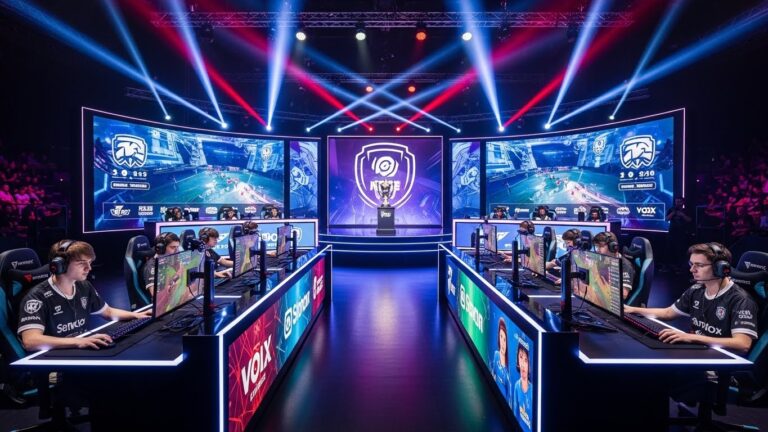
Esports, short for electronic sports, has rapidly transitioned from a modest pastime into a vibrant global industry. What once began as small gatherings of video game enthusiasts has evolved into a powerful cultural and economic phenomenon. Stadiums now fill with cheering fans, millions tune in across digital platforms, and professional players train with the discipline once reserved for traditional athletes. This remarkable shift signals more than a trend; it marks a transformation in how society views gaming, competition, and entertainment. As esports continues to grow, it challenges outdated perceptions and showcases the immense potential within the digital world.
The Origins of Competitive Gaming
The roots of esports stretch farther back than many realize. In the early days of arcade machines, players competed for high scores on games like Pac-Man and Space Invaders. These competitions set the foundation for a culture built on skill, mastery, and community. As home computers and consoles emerged in the 1980s and 1990s, competitive gaming found new life. Titles such as Street Fighter, Super Smash Bros., and early PC strategy games sparked rivalries and ignited a passion for competition. The rise of internet connectivity marked a significant turning point, enabling players from different parts of the world to engage in real-time competitions. This evolution paved the way for esports as we know it today, filled with tournaments, leagues, and professional organizations.
The Professionalization of Esports
The modern esports landscape mirrors the structure of traditional sports in many ways. Professional teams hire coaches, analysts, psychologists, and support staff. Players have set schedules, training regimens, and dietary plans tailored to optimize performance. Esports organizations operate like athletic clubs, providing contracts, salaries, and long-term career opportunities. The seriousness behind the scenes often surprises outsiders, yet it demonstrates the commitment required to compete at elite levels. This professionalization has helped legitimize esports, attracting major brands, investors, and media attention. It has also given young players a chance to pursue gaming as a career rather than merely a childhood hobby.
Types of Games That Rule the Esports Scene
Esports encompasses a vast assortment of game genres, each with its own dedicated fan base. Multiplayer online battle arenas dominate the landscape, with fast-paced matches that demand strategy, precision, and teamwork. First-person shooters bring intensity and lightning-fast reflexes to the forefront. Battle royale games blend survival with tactical decision-making, creating unpredictable competitions. Strategy games reward critical thinking and long-term planning, while sports simulations replicate real-world athletic scenarios in digital form. This variety ensures that esports appeals to a wide audience, from casual fans to dedicated spectators who analyze every play. The diversity of game types is one of the driving forces behind esports’ global reach.
The Rise of Streaming and Digital Entertainment
Streaming platforms have played a monumental role in the rise of esports. They allow viewers from around the world to watch matches in real time, follow players’ journeys, and engage directly with gaming communities. This instant connection between players and audiences has helped esports grow faster than traditional sports in some regions. Content creators also contribute significantly by producing entertainment that complements competitive events, such as tutorials, commentary, and behind-the-scenes insights. The combination of esports competition and streaming content has created a powerful ecosystem that keeps audiences continuously engaged. In this digital age, watching esports has become as exciting and accessible as participating in them.
What It Takes to Be an Esports Athlete
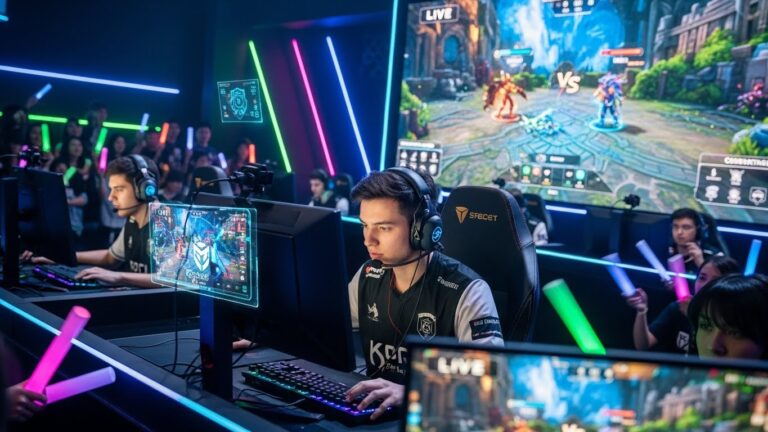
The life of a professional esports athlete demands dedication, discipline, and exceptional mental agility. To compete at the highest levels, players train for hours daily, analyzing gameplay footage, perfecting strategies, and maintaining peak focus. Hand-eye coordination, strategic thinking, quick reflexes, and teamwork are essential traits. Mental resilience is just as crucial, as players must handle pressure, competition stress, and intense public scrutiny. Despite misconceptions that gaming requires little physical effort, esports athletes must maintain overall wellness to avoid injuries such as wrist strain, posture issues, and mental fatigue. The lifestyle resembles that of elite traditional athletes, proving that esports is anything but effortless.
Esports Communities and Global Connections
One of the greatest strengths of esports is its ability to bring people together. Communities form around specific games, teams, and players, creating supportive spaces where fans share strategies, experiences, and excitement. Unlike traditional sports, esports communities are often born online, allowing global connections to flourish. Friends from different continents can play together, celebrate victories, and participate in tournaments. This global integration breaks barriers related to language, geography, and culture. Many fans discover lifelong friendships and meaningful social interactions through their participation in esports communities, highlighting the industry’s positive impact beyond entertainment.
The Economic Influence of Esports
Esports has emerged as a billion-dollar industry, generating revenue through tournaments, sponsorships, merchandise, advertising, and broadcasting rights. Companies from diverse sectors support esports events and teams, recognizing the value of connecting with younger audiences. Cities also host major tournaments that attract tourism and media attention. The industry supports numerous career paths beyond professional play, including roles in event management, marketing, game development, broadcasting, and organizational leadership. Content creators and streamers also contribute to the growing economic ecosystem by building audiences and expanding brand visibility. These opportunities illustrate how esports drives both local and global economies.
Education and Esports: A New Frontier
Schools and universities are increasingly recognizing the value of esports. Many institutions now offer scholarships to talented players, while others create academic programs focused on gaming, digital media, and esports management. These initiatives support students in developing teamwork, leadership, and problem-solving skills. Educational programs highlight that esports is not just about gameplay; it is about embracing digital literacy, innovation, and communication. By integrating esports into education, schools help bridge the gap between technology and traditional learning, preparing students for careers in a rapidly changing digital world.
The Role of Technology in Competitive Gaming
Technology is the backbone of esports, influencing everything from gameplay performance to viewer experience. High-performance hardware ensures that players can react with precision, while advanced software enables complex game mechanics and fair competition. Innovations such as virtual reality and augmented reality hint at the future of immersive esports. Artificial intelligence also contributes by helping analyze player behavior, predict strategies, and enhance training. Streaming technology allows events to reach global audiences instantly, transforming esports into one of the most accessible forms of entertainment. As technology continues to evolve, esports will likely push boundaries and explore new possibilities.
Mental Health and Wellness in Esports
The intense demands of competitive gaming have brought mental health to the forefront of esports conversations. Players often face pressure from fans, teams, and their own expectations. Maintaining mental well-being is essential for sustained performance. Many organizations provide sports psychologists, mindfulness training, and structured rest schedules to support players’ overall health. The awareness of mental wellness not only benefits professionals but also encourages casual gamers to adopt healthy habits. By promoting balance between practice, rest, and physical exercise, esports reinforces the importance of holistic well-being in competitive environments.
Challenges the Esports Industry Must Overcome
Despite its success, esports faces several challenges. Issues such as cheating, player burnout, unfair labor practices, and lack of regulation can threaten the integrity of the industry. Some regions struggle with limited access to technology, making it difficult for talented players to reach competitive levels. Toxicity in online gaming communities also remains a concern, potentially discouraging new players from participating. Ensuring diversity and inclusion within esports is another ongoing challenge. Addressing these issues requires collaboration among organizations, developers, players, and governing bodies to promote fairness, safety, and accessibility.
The Future of Esports
The future of esports promises even greater innovation and expansion. With continuous technological advancements, esports may integrate virtual reality competitions, cloud-based gaming, and lifelike simulations. Traditional sports organizations are increasingly embracing esports, leading to partnerships that blend physical and digital athleticism. New regional leagues across emerging markets will expand global participation, while improved infrastructure will make esports more accessible to diverse audiences. As the industry grows, esports will likely influence mainstream entertainment, education, and business on a broader scale. The future holds limitless possibilities for competitions, careers, and creative expression.
Conclusion: A New Era of Competitive Excellence
Esports has transcended its origins to become a defining component of modern culture. Through dedication, community, and innovation, it has established itself as a legitimate and thriving arena of competition. Beyond the excitement of matches, esports promotes skill development, global unity, and economic growth. It challenges traditional views of sports and demonstrates that digital competition can be just as thrilling and impactful as physical athleticism. As esports continues to evolve, it invites players, fans, and creators to embrace a future where competition, entertainment, and technology come together in powerful ways. The world of esports is only beginning its journey, and its impact will shape generations to come.
About the Author