Introduction: A New Era of Competition
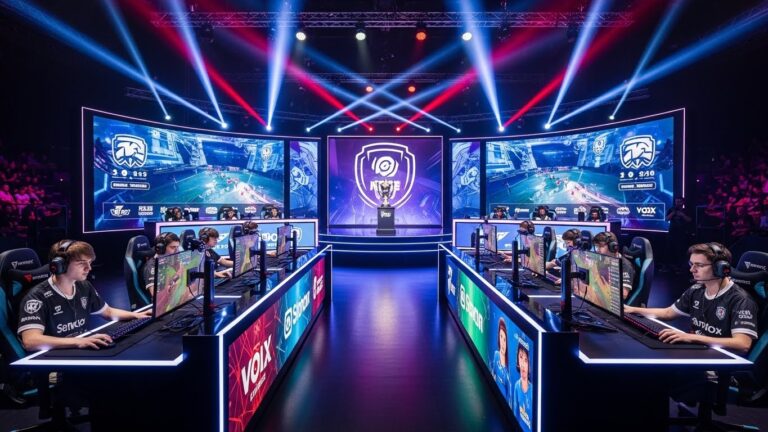
Esports has transformed from a casual pastime into a billion-dollar global industry. Once considered merely a hobby for dedicated gamers, it now rivals traditional sports in popularity, cultural influence, and financial impact. Competitive gaming has evolved into a highly structured and professionalized domain, with international tournaments, full-time athletes, and millions of viewers worldwide. This rise reflects not only technological innovation but also changing perceptions of competition, entertainment, and social interaction. In this blog, we explore the evolution of esports, its players, its business ecosystem, its cultural significance, and its future potential.
The Early Days: Humble Beginnings of Competitive Gaming
The concept of competitive gaming dates back decades. In the 1970s and 1980s, players would compete in arcades for high scores on games such as Pac-Man, Space Invaders, and Donkey Kong. These competitions were informal and often local, but they laid the groundwork for organized gaming events. The first known video game competitions included events like the Space Invaders Championship in the United States, which attracted thousands of participants and highlighted the growing interest in competitive gaming.
The real transformation occurred in the 1990s with the rise of personal computers and online connectivity. Games like StarCraft, Quake, and Counter-Strike became the first major esports titles, fostering communities that could compete beyond local arcades. South Korea, in particular, emerged as a pioneering force, treating professional gaming as a national pastime and establishing leagues that would inspire global competition. These developments marked the beginning of gaming as a serious competitive pursuit.
The Growth of Major Titles and Global Audiences
The 2010s were a turning point for esports, characterized by the emergence of games specifically designed for competitive play. Titles like League of Legends, Dota 2, Overwatch, and Fortnite created structured competitive ecosystems supported by professional teams and massive prize pools. These games attracted millions of players and viewers, transforming esports into a mainstream entertainment phenomenon.
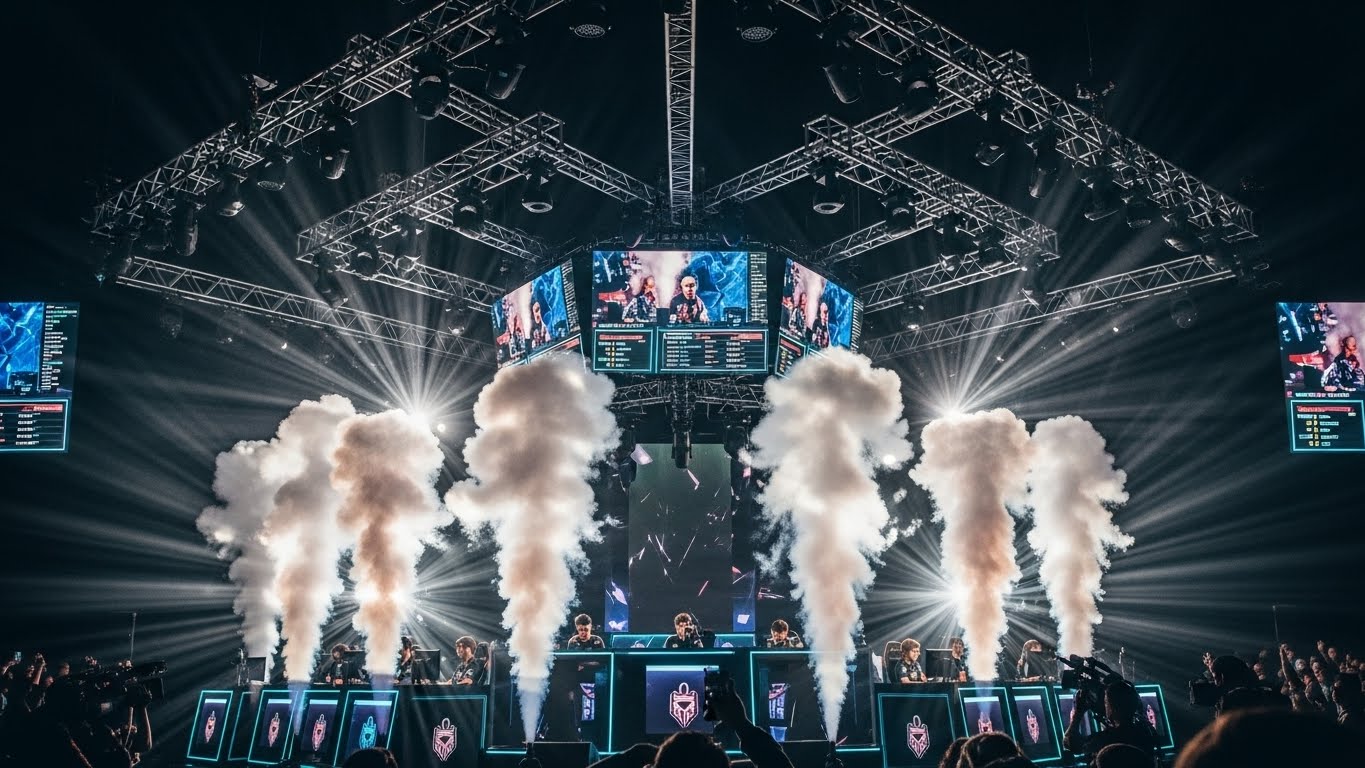
One of the key factors driving this growth was the accessibility of online streaming platforms. Fans could now watch live matches from anywhere in the world, interact with players, and engage with other fans in real time. Esports tournaments began filling stadiums, with audiences rivaling those of traditional sports events. The spectacle of international competitions, combined with immersive gameplay, created a new form of entertainment that appealed to both gamers and general audiences alike.
The Life of a Professional Esports Athlete
Professional esports athletes have become the new icons of digital competition. Unlike casual gamers, they follow rigorous training schedules designed to optimize performance. Practice often spans multiple hours per day and includes skill drills, strategy analysis, and teamwork exercises. Many teams provide dedicated training facilities, complete with state-of-the-art gaming stations, coaches, analysts, and physical fitness programs.
Mental health and performance management are also central to the life of a professional gamer. High-pressure competitions, long hours, and public scrutiny make esports a demanding career, with average career spans shorter than those in traditional sports. Despite these challenges, top players enjoy lucrative contracts, sponsorships, and global recognition, reflecting the growing professionalization of esports.
The Business Ecosystem of Esports
Esports has become a multifaceted business, with revenue streams extending far beyond prize money. Game developers invest heavily in tournaments and competitive infrastructure to maintain player engagement and extend the lifespan of their games. Sponsorship deals from technology companies, consumer brands, and lifestyle products contribute significantly to the financial landscape.
Merchandise, in-game purchases linked to teams or tournaments, media rights, and advertising all play vital roles in sustaining the industry. Furthermore, esports has begun integrating into educational institutions, with scholarships, collegiate leagues, and dedicated programs. This integration not only provides financial support for aspiring players but also helps nurture talent and promote esports as a legitimate career path.
Cultural Significance and Community Engagement
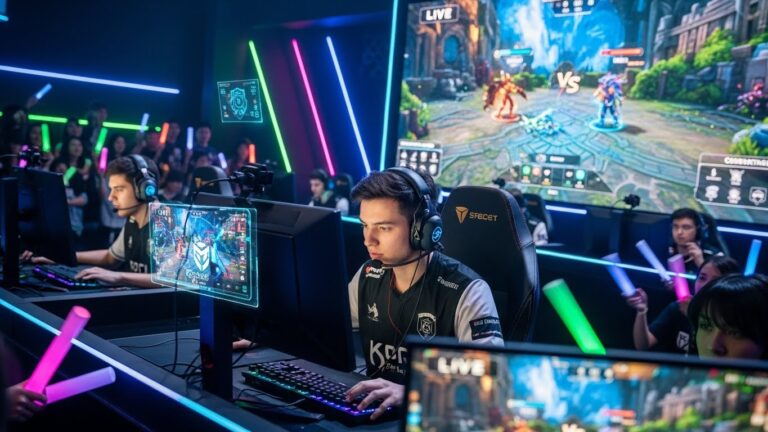
Esports has created vibrant global communities that transcend geographic and cultural boundaries. Fans connect through live streams, social media, fan art, and online forums. These communities share strategies, celebrate victories, and engage in spirited debates, fostering a sense of belonging and shared identity.
The culture of esports extends beyond the games themselves. Memes, chants, fan merchandise, and celebratory rituals have become integral to the experience, similar to traditions seen in traditional sports. Importantly, esports emphasizes skill, strategy, and teamwork rather than physical attributes, allowing individuals from diverse backgrounds to compete on equal footing. This inclusivity has helped broaden the appeal and impact of esports worldwide.
Technological Innovation Driving Esports
Technology is the backbone of esports. High-performance hardware, ultra-fast internet connections, and sophisticated broadcasting tools make competitive gaming possible on a global scale. Game developers continually update titles to maintain balance, enhance competitive fairness, and introduce new features that keep players engaged.
Emerging technologies, such as virtual reality and augmented reality, have the potential to reshape the esports experience. VR and AR could create immersive competitions where spectators feel fully integrated into the event. Artificial intelligence is also becoming a training tool, helping players refine strategies, analyze gameplay, and improve performance. These innovations suggest that the future of esports will be increasingly interactive and technologically advanced.
Global Impact and Economic Contributions
Esports is more than a form of entertainment; it has a significant economic and social impact. Countries recognizing esports as an official sport are establishing professional leagues, government support programs, and international competitions. Major tournaments stimulate local economies by attracting tourists, promoting infrastructure development, and creating temporary employment opportunities.
The industry also generates diverse career opportunities beyond competitive play, including game development, broadcasting, marketing, event management, and content creation. Esports programs in schools teach valuable skills such as teamwork, strategic thinking, and communication, which extend beyond the gaming world. These contributions demonstrate how esports can positively influence society at multiple levels.
Challenges Facing Esports
Despite its success, the esports industry faces ongoing challenges. Player burnout, mental health issues, and short career spans necessitate attention to well-being and sustainable practices. Competitive integrity, including concerns about cheating, match-fixing, and unfair practices, requires regulatory oversight. Diversity and representation remain critical areas for improvement, with the industry striving to create inclusive opportunities for all players.
Balancing commercialization with authenticity is another challenge. While sponsorships and media deals fuel growth, they must coexist with the community-driven spirit that defines esports. Addressing these challenges is essential to ensure the long-term sustainability and credibility of the industry.
The Future of Esports
The future of esports is promising and full of potential. Mobile gaming, improved internet accessibility, and mainstream acceptance suggest that esports will continue expanding globally. Schools and universities will likely continue integrating competitive gaming into their programs, providing education, career opportunities, and social engagement for students.
Hybrid experiences blending virtual and physical events may redefine the way audiences engage with esports. Technological innovations, from AI-driven analytics to immersive VR environments, will continue pushing the boundaries of competition and entertainment. As esports grows, it has the potential to inspire new generations of players, creators, and fans, solidifying its place as a permanent fixture in global culture.
Conclusion: Esports as a Cultural Revolution
Esports has evolved from humble beginnings into a dynamic, influential, and highly professional industry. Its growth reflects changes in technology, entertainment, and societal perceptions of competition. Today, esports is not just about games; it is about community, culture, business, and innovation. It empowers players, engages fans, and shapes global entertainment trends. The digital arenas of esports are alive with energy, strategy, and passion, and the world is watching as this extraordinary phenomenon continues to grow. From pixels to podiums, esports has proven that it is more than a trend—it is a cultural revolution with a lasting impact.
About the Author