Introduction: A New Era in Competitive Entertainment
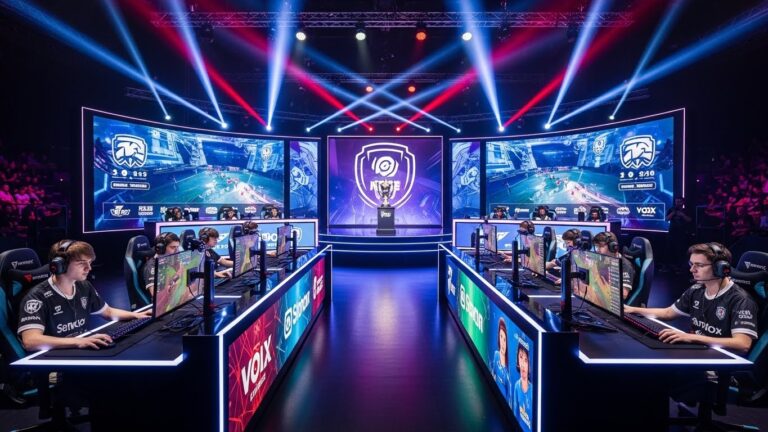
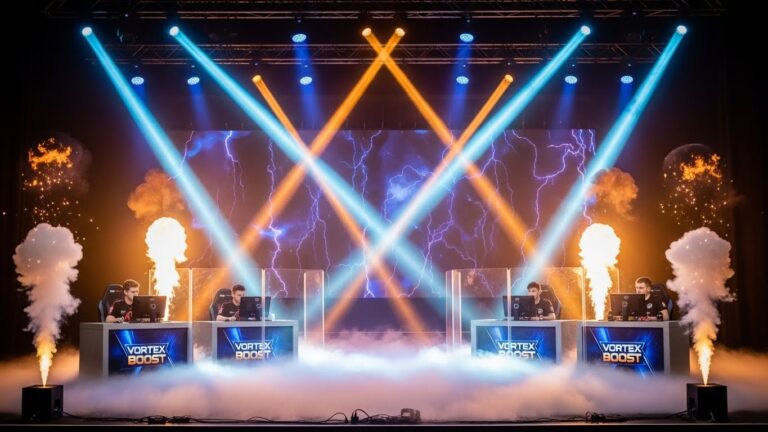
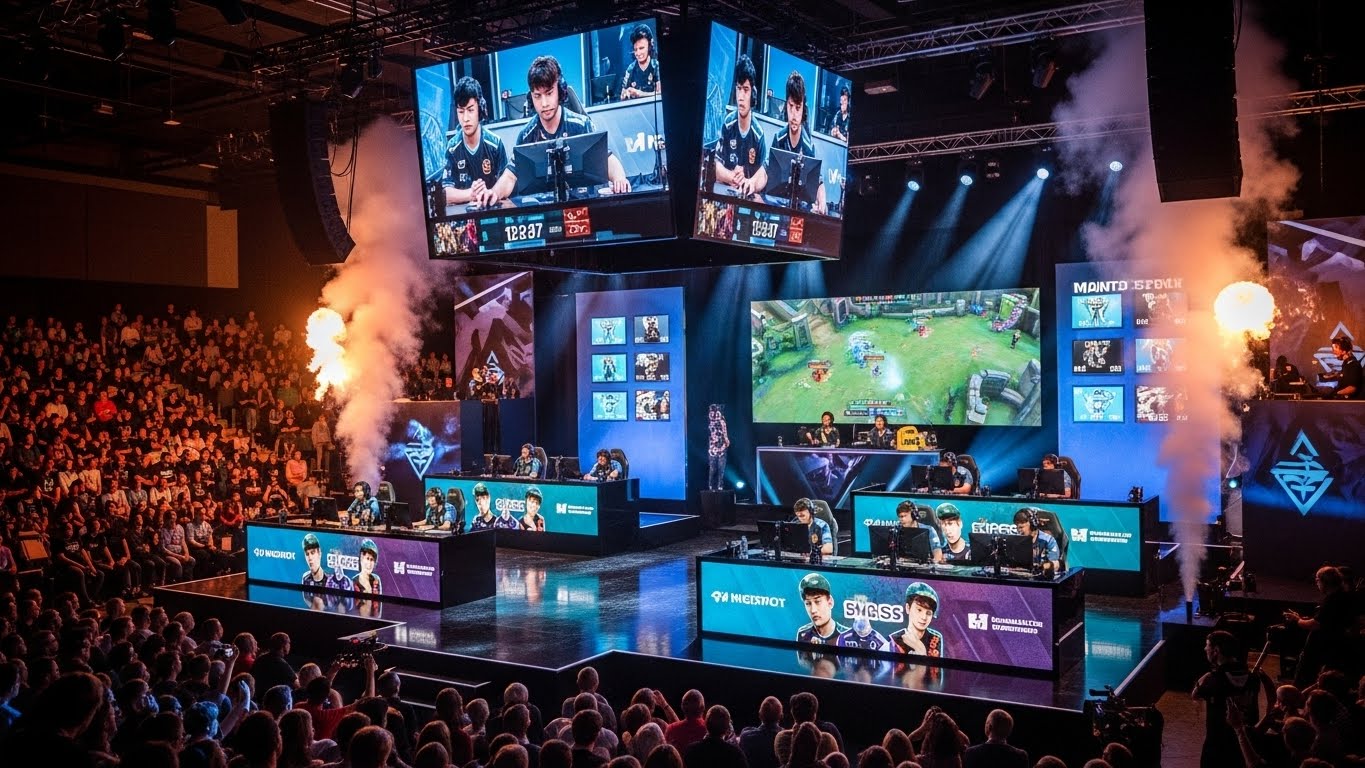
In recent years, the world of sports has undergone a radical transformation. No longer are we limited to physical arenas and traditional sports; the rise of esports has introduced an entirely new dimension to competitive entertainment. Esports, short for electronic sports, refers to organized video game competitions, often involving professional players or teams. From casual gaming in bedrooms to massive international tournaments broadcast to millions of viewers, esports has become a force to be reckoned with.
The exponential growth of esports has redefined not just the gaming industry but also the way we view competition, entertainment, and digital culture. With millions of fans around the globe and prize pools reaching millions of dollars, esports is no longer a niche hobby but a mainstream, billion-dollar industry. But how did we get here? Let’s dive into the journey that has made esports one of the most exciting sectors of modern entertainment.
The Humble Beginnings of Esports
Esports, as we know it today, did not emerge overnight. The roots of competitive gaming trace back to the 1970s and 1980s when arcade games like Space Invaders and Pong became popular. In 1972, Stanford University hosted the first-ever video game competition, which involved Spacewar, one of the earliest multiplayer games. However, it wasn’t until the late 1990s and early 2000s that esports began to take shape.
The first major titles that helped establish competitive gaming included Quake, StarCraft, and Warcraft III. These games had intricate mechanics and deep strategic elements, which allowed players to develop skills and strategies that could be tested in competitive settings. Tournaments for these games began to appear, though they were often small and informal compared to the grand spectacles we see today. The foundation for the modern esports ecosystem was being laid during this time, but it wasn’t until the advent of online multiplayer gaming and faster internet that esports truly began to gain momentum.
The Rise of Online Gaming and Streaming Platforms
The early 2000s marked a pivotal point in esports history with the rise of high-speed internet and the development of online gaming platforms. Games like Counter-Strike and League of Legends allowed players to compete against others across the globe, eliminating geographical barriers and expanding the competitive gaming community. Tournaments grew in scale, and soon, gaming studios and tech companies began to take notice of esports as a potential business opportunity.
At the same time, streaming platforms like Twitch began to emerge. Twitch, which was launched in 2011, became a game-changer for esports by providing a platform where players could stream their gameplay live and engage with their audiences in real time. This allowed esports to build a much larger following, as fans could watch their favorite players and teams compete in high-stakes tournaments from the comfort of their homes. The rise of live streaming transformed esports from a niche community into a global entertainment phenomenon.
The Economics of Esports: A Booming Industry
As esports gained popularity, it also became a significant economic force. Major gaming companies, such as Riot Games (the creator of League of Legends) and Blizzard Entertainment (known for Overwatch and Hearthstone), began investing heavily in esports infrastructure, creating official leagues, tournaments, and prize pools that could rival traditional sports in terms of prestige and financial rewards.
In 2018, Dota 2’s International Tournament set a world record with a prize pool exceeding $25 million, most of which was funded by the game’s community through crowdfunding. This was just one example of how esports has tapped into the potential for large-scale, community-driven financial support. Sponsorships from major brands, including Coca-Cola, Intel, and Mercedes-Benz, further legitimized esports and brought it into the mainstream.
The industry is projected to grow rapidly in the coming years, with global esports revenues expected to surpass $1 billion by 2023. Revenue streams for esports include ticket sales for live events, advertising, merchandise, media rights, and sponsorships. These figures not only highlight the massive scale of esports as a business but also show that it’s no longer just a passing trend. Esports is a multi-billion-dollar industry with a long-term future.
Esports Culture and Its Global Community
Esports has created a unique culture that blends gaming, technology, and social interaction. One of the key elements that distinguish esports from traditional sports is the diversity of its fanbase. Fans of esports come from all walks of life, and the community is often described as inclusive and welcoming, especially when compared to the sometimes exclusive and physically demanding nature of traditional sports.
The global nature of esports also sets it apart. Players from different countries, cultures, and backgrounds compete against one another, and esports fans can form online communities that transcend borders. Events like the League of Legends World Championship or The International bring together fans from all over the world, uniting them in their shared love for competitive gaming.
Moreover, esports has become an important platform for youth culture. Esports players and streamers have become celebrities in their own right, with millions of followers on social media platforms. Their personalities, accomplishments, and struggles are followed just as closely as those of traditional athletes, and they often serve as role models for young fans aspiring to make it big in the world of gaming.
Esports as a Profession: The Life of a Professional Gamer
Becoming a professional gamer is no longer a pipe dream—it’s a career path that many young people now aspire to pursue. Professional esports players train for hours each day, perfecting their skills, learning new strategies, and competing in tournaments for prize money. While the lifestyle of a professional gamer might sound glamorous, it requires immense dedication, discipline, and sacrifice.
Esports players often live a highly regimented lifestyle, with practice sessions, scrims (practice matches), team meetings, and regular tournament schedules. Like traditional athletes, they must stay in peak mental and physical condition. In fact, esports athletes often undergo physical training, as long hours spent sitting in front of screens can lead to health problems like eye strain and repetitive stress injuries.
Furthermore, esports players are not just competing in games; they are also brand ambassadors. Many top players have endorsement deals with major companies, which can significantly supplement their income. They also engage with their fans through social media and streaming platforms, further building their personal brand.
The Role of Women in Esports
Although esports has traditionally been a male-dominated space, there is a growing movement toward greater gender inclusivity. Women have been playing competitive video games for as long as men, and in recent years, we’ve seen an increase in female players, streamers, and content creators gaining recognition in the esports world.
While the representation of women in major esports tournaments is still lower than that of men, initiatives like The Women’s Esports League and organizations that promote female gamers are helping to create more opportunities for women to compete at the highest levels. In addition, brands are increasingly recognizing the potential of the female esports audience, leading to more sponsorships and campaigns aimed at diversifying the industry.
The Challenges Facing Esports
Despite its rapid growth, esports still faces several challenges that could hinder its long-term development. One of the main issues is the physical and mental well-being of professional players. The pressures of constant competition, long hours of practice, and the public scrutiny can take a toll on players’ mental health. There have been cases of burnout and depression among top-level players, highlighting the need for more support systems within the industry.
Additionally, there are concerns about the integrity of esports competitions. Cheating, match-fixing, and doping (through performance-enhancing drugs) are problems that the industry must address to maintain credibility. While steps are being taken to regulate esports, ensuring fair play remains a key challenge.
The Future of Esports
The future of esports looks incredibly bright. With continuous advancements in gaming technology, virtual reality, and augmented reality, the potential for more immersive esports experiences is vast. Esports is likely to become even more integrated into mainstream entertainment, with potential collaborations between traditional sports leagues and gaming franchises. Major companies in the tech, entertainment, and sports industries are investing in esports, recognizing its enormous potential to engage a young, tech-savvy audience.
Moreover, as esports continues to grow, we may see it become an official part of multi-sport events like the Olympics, as discussions about including esports in the Summer Games have already begun.
Conclusion: The Digital Revolution in Sports
Esports is no longer just a hobby for gamers—it has evolved into a massive global industry that rivals traditional sports in terms of viewership, revenue, and cultural impact. Its journey from humble beginnings to a multi-billion-dollar industry is a testament to the power of technology, community, and competition. Esports is redefining what it means to be an athlete in the digital age, offering new career opportunities and entertainment experiences for people of all ages.
As we look ahead, it’s clear that esports is not just a passing trend. It’s here to stay, and it will continue to shape the future of entertainment and sports for generations to come.
About the Author