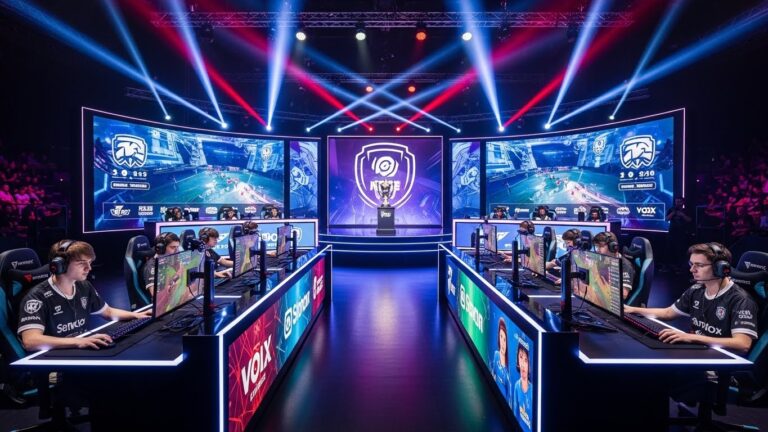
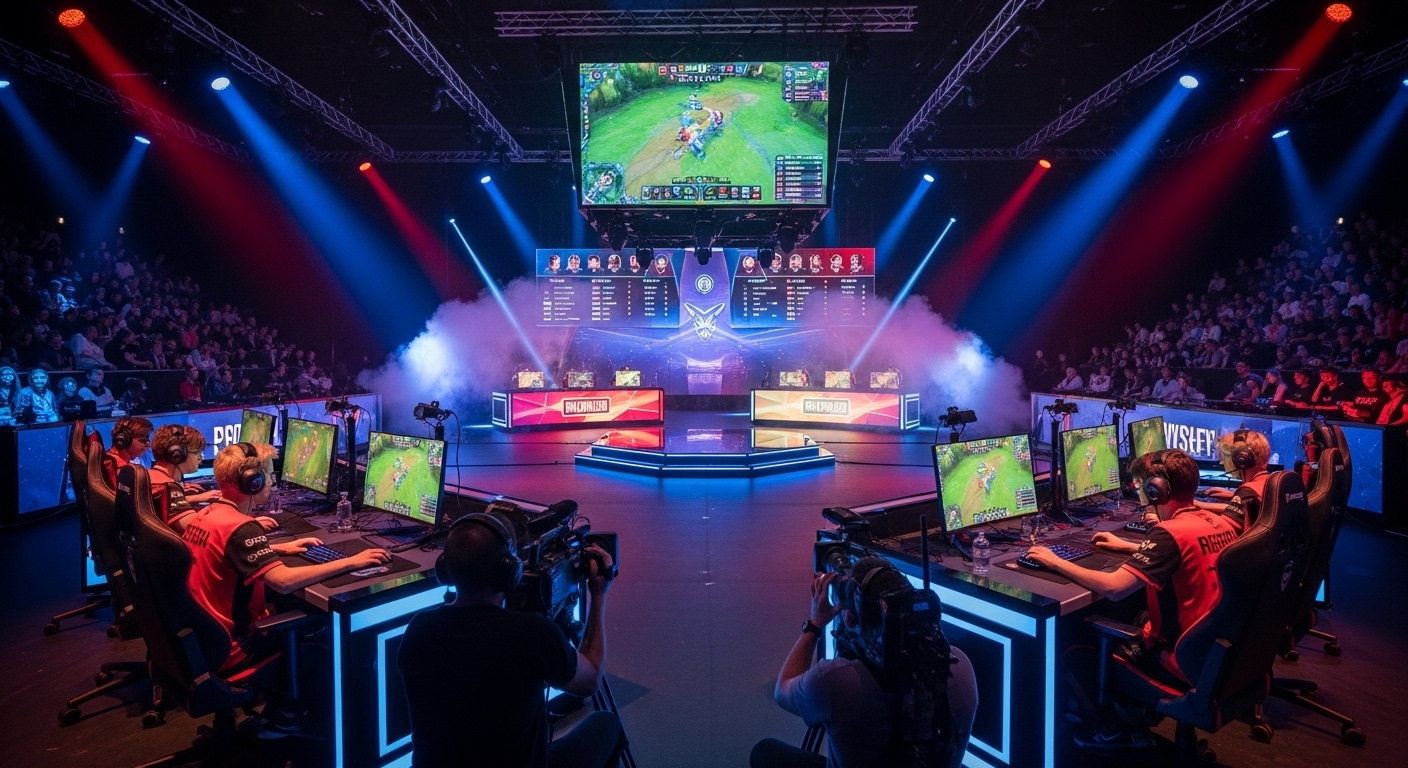
Esports has rapidly evolved from a niche hobby to a billion-dollar industry with a global fanbase, professional teams, and prestigious tournaments. Once the domain of a few dedicated enthusiasts, competitive gaming now dominates entertainment platforms, attracting millions of viewers, players, and investors. Whether it’s the high-octane action of League of Legends, the strategic depth of Dota 2, or the thrilling gunplay of Counter-Strike: Global Offensive, esports has become a cornerstone of modern digital culture.
In this blog post, we will explore the history, growth, and future of esports, understanding how it has transformed from a hobbyist activity to a global cultural phenomenon. We’ll also dive into the mechanics of competitive gaming, the business model behind it, and the players who are redefining what it means to be an athlete in the digital age.
What is Esports?
Esports, short for “electronic sports,” refers to organized, multiplayer video game competitions, particularly between professional players, individually or as teams. Esports can encompass a wide variety of game genres, but the most common ones include first-person shooters (FPS), real-time strategy (RTS), multiplayer online battle arena (MOBA), and sports simulation games.
Esports isn’t just about playing video games. It involves serious training, professional coaching, extensive strategies, and well-coordinated team play. Some might argue that it is no different from traditional sports, as players exhibit skills in hand-eye coordination, mental agility, and teamwork, much like their counterparts in physical sports.
The Origins of Esports: A Brief History
The roots of esports can be traced back to the late 20th century, when video games began to take off as both entertainment and a form of competition. Early gaming tournaments, such as the Space Invaders Championship in 1980, were some of the first organized events where players competed for high scores. However, it wasn’t until the late 1990s and early 2000s that esports truly began to take shape, thanks to games like StarCraft and Quake.
In the early days, competitive gaming was largely a grassroots effort, with local LAN (Local Area Network) tournaments held in community centers or gaming cafes. It wasn’t until the launch of League of Legends in 2009 and the formation of large-scale professional leagues that esports began to take its current form. These events were streamed online, providing a way for fans to watch professional gameplay from the comfort of their own homes.
The Explosion of Popularity: Esports Today
Over the past decade, esports has experienced unprecedented growth. What was once a niche subculture has now expanded into a global phenomenon. In 2023, the global esports market was valued at over $1.5 billion, and it continues to grow year over year. This surge in popularity can be attributed to several factors, including the rise of streaming platforms like Twitch, YouTube, and Facebook Gaming, the increasing professionalization of the industry, and the involvement of major brands and investors.
One of the most significant moments in the rise of esports was the creation of the Overwatch League in 2018. This league, which features city-based teams much like traditional sports leagues, attracted huge viewership and sponsorship deals. It was a clear indication that esports was becoming a legitimate and sustainable form of entertainment.
Furthermore, games like Fortnite, PUBG, Valorant, and Apex Legends have expanded the esports landscape beyond traditional games, offering new formats, game mechanics, and competitive opportunities for both players and fans.
The Business of Esports
One of the most fascinating aspects of esports is the business side of things. While traditional sports are heavily supported by broadcasting rights, sponsorships, ticket sales, and merchandise, esports follows a similar but digital-first model. Let’s break down some of the key revenue streams that sustain the esports ecosystem.
1. Sponsorships and Partnerships
Sponsorships are perhaps the most significant source of revenue for esports organizations and tournaments. Global brands, ranging from tech giants like Intel and Samsung to beverage companies like Coca-Cola and Red Bull, have recognized the potential of esports audiences and have invested heavily in partnerships with teams, events, and streaming platforms. These sponsorships help fund tournaments, pay players, and promote brands to a young, tech-savvy demographic.
2. Streaming and Viewership
Streaming platforms like Twitch have played a crucial role in the growth of esports. Tournaments and professional matches are streamed to millions of viewers worldwide, generating revenue through advertisements, subscriptions, and donations. Twitch, in particular, has become a hub for esports events, offering a space for gamers to watch live competitions and interact with streamers in real time.
3. Ticket Sales and Merchandising
While esports events are primarily digital, many major tournaments still take place in large arenas where fans can watch their favorite teams compete in person. Ticket sales for events like The International (Dota 2’s annual championship) and the League of Legends World Championship can generate millions of dollars in revenue. In addition, teams and tournaments sell branded merchandise, including apparel, posters, and accessories, to boost income.
4. Prize Money and Player Salaries
Esports players can earn significant amounts of money from tournament prize pools and salaries. The biggest tournaments in games like Dota 2 can offer multi-million-dollar prize pools, with the winner taking home millions. In addition to tournament winnings, top-tier players can also earn salaries from their teams, sponsorships, and streaming deals.
The Players: Redefining Professionalism
Esports athletes are some of the most dedicated and disciplined professionals in the world. While traditional sports require physical training, esports demands exceptional mental acuity, reflexes, and strategy. Players typically train for several hours a day, focusing on improving their mechanics, map knowledge, and team coordination.
Many professional gamers start their careers at a young age, often in their teens, and must commit to years of practice to reach the highest levels of competition. Players like Lee “Faker” Sang-hyeok from League of Legends and Johan “N0tail” Sundstein from Dota 2 have become household names in the esports community due to their extraordinary skills and accomplishments.
While esports careers can be lucrative, they are also short-lived. The pressure to perform consistently, coupled with the physical toll of playing for hours on end, means that many players retire at a relatively young age. Some transition into coaching or analysis roles, while others continue to stream or create content for their fanbases.
Esports as a Global Cultural Phenomenon
The cultural impact of esports extends far beyond the gaming world. Esports has become a social activity for millions of people who gather to watch, discuss, and analyze games and players. Many fans form deep connections with their favorite teams and players, similar to the fanbases of traditional sports teams.
In recent years, esports has also started to influence other industries, including fashion, entertainment, and even education. Universities now offer scholarships for esports players, and there are academic programs dedicated to the study of esports management, game design, and digital media. High-profile athletes from traditional sports, like Shaquille O’Neal and Michael Jordan, have invested in esports teams, further cementing esports’ place in mainstream culture.
Esports also brings together a diverse, global community. Tournaments and streams attract viewers from all corners of the world, creating an international platform where players and fans can interact. This global reach has made esports one of the most inclusive forms of entertainment, transcending language, geography, and culture.
The Future of Esports
As esports continues to grow, it is poised to become an even more dominant force in entertainment. Here are some potential trends that could shape the future of esports:
1. Virtual Reality and Augmented Reality
With advancements in virtual and augmented reality, esports could see a major transformation. Imagine competing in a fully immersive environment where players physically move around the arena or interact with the game world in new ways. While this is still in its early stages, it could revolutionize the way esports tournaments are held and watched.
2. Cross-Platform Play
Games are becoming increasingly accessible across different platforms, including consoles, PCs, and mobile devices. Cross-platform play could allow players from different devices to compete against each other, expanding the reach and accessibility of esports. This could also lead to more casual players joining the competitive scene, growing the esports community even further.
3. Esports in the Olympics?
There has been increasing talk about including esports in the Olympic Games. While this is still a debated topic, the growing recognition of esports as a legitimate form of competition suggests that the Olympics could one day feature esports events alongside traditional sports.
Conclusion
Esports has come a long way since its humble beginnings, and it’s clear that it’s here to stay. As an industry, it’s evolved from a subculture into a global phenomenon, with millions of fans and billions of dollars in revenue. The dedication and skill required to succeed in esports are comparable to traditional sports, and the future holds exciting possibilities for both players and fans. As technology continues to advance and the world becomes even more digitally connected, the world of esports will likely continue to push the boundaries of what’s possible in gaming and entertainment. Whether you’re a casual viewer or a die-hard fan, it’s an exciting time to be a part of the esports revolution.
About the Author