Introduction: The Rise of Esports
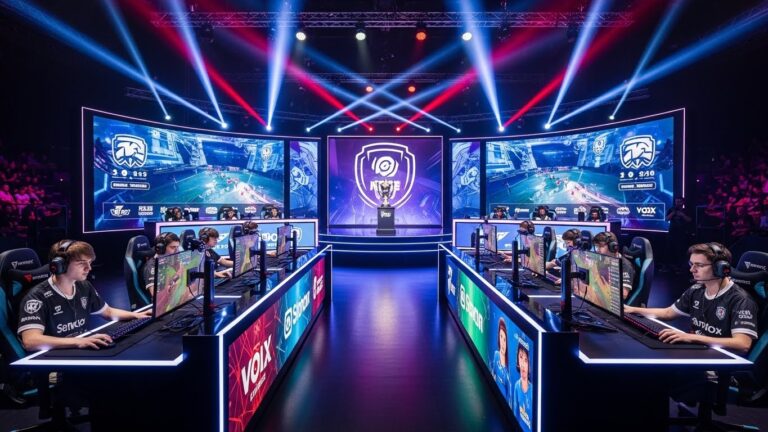
Esports, short for electronic sports, has transformed from a niche hobby into a global phenomenon that impacts millions of people worldwide. What once began as casual gaming competitions among friends has evolved into highly organized tournaments, professional leagues, and massive online communities. Today, esports is not only a source of entertainment but also a platform for career opportunities, social connection, and technological innovation. Its rapid growth reflects the changing ways people interact, compete, and consume digital content in the modern era.
The Evolution of Esports
Esports’ origins date back to the 1980s, with arcade competitions and early video game tournaments like Space Invaders and Pac-Man. The 1990s saw the rise of competitive titles such as Street Fighter, Quake, and StarCraft, which introduced strategy and skill as central elements of competition. The advent of high-speed internet allowed players to compete online, breaking geographic barriers and creating global gaming communities. In the 2000s, esports became increasingly professionalized, with sponsorships, streaming platforms, and large-scale tournaments becoming commonplace. Today, esports events rival traditional sports in terms of viewership, prize money, and media coverage, making it a legitimate and influential industry worldwide.
Why Esports Captivates Millions
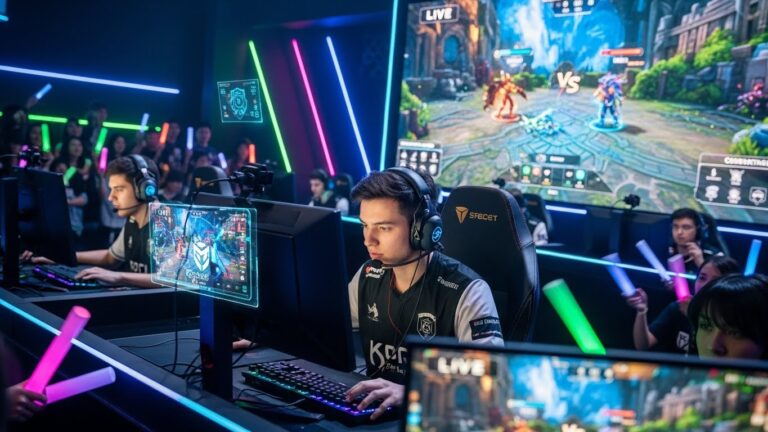
Esports captivates audiences because it combines skill, strategy, and entertainment in a dynamic way. Unlike traditional sports, esports is highly accessible; anyone with a computer, console, or mobile device can participate. Competitive gaming requires quick thinking, teamwork, and adaptability, providing a stimulating experience for both players and viewers. Fans are drawn to the intensity of live matches, the drama of rivalries, and the creativity displayed by top-tier players. Beyond competition, esports fosters social interaction, enabling communities to connect, collaborate, and celebrate victories together. This unique combination of engagement and inclusivity has contributed to esports’ exponential growth.
Skills Developed Through Esports
Participating in esports goes far beyond playing games; it requires the development of diverse skills. Players cultivate strategic thinking, problem-solving, multitasking, and decision-making under pressure. Team-based games emphasize communication, coordination, and leadership, while individual competitions demand self-discipline, focus, and perseverance. Professional players often follow structured training schedules similar to traditional athletes, combining practice, analysis, and mental conditioning. These skills are transferable to other areas of life, including education, professional work, and creative pursuits, demonstrating that esports fosters both cognitive and personal growth.
The Professional Esports Ecosystem
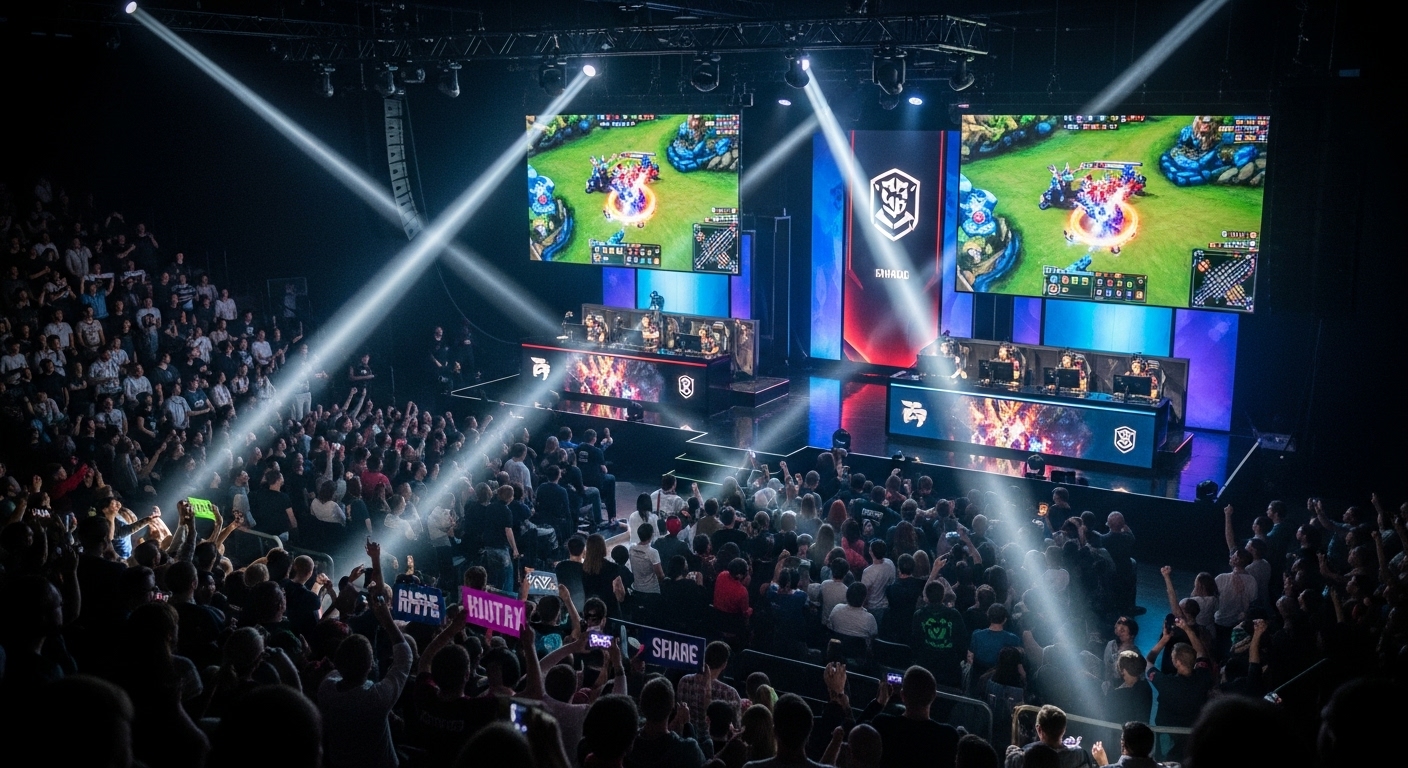
Esports has evolved into a structured industry with leagues, tournaments, teams, and organizations. Professional players compete for substantial prize pools, earning income through salaries, streaming revenue, and sponsorships. Esports organizations operate like sports franchises, employing coaches, analysts, and marketing teams to optimize performance and visibility. Major tournaments attract global audiences, sometimes numbering in the millions, with events broadcast live and streamed online. The professionalization of esports has created opportunities not only for players but also for commentators, analysts, content creators, and event managers, establishing a sustainable career path for many in the industry.
Community and Social Engagement
At the core of esports is a thriving global community. Online platforms, forums, and streaming services allow fans to engage with players, discuss strategies, and share experiences. These communities provide a sense of identity and belonging, fostering friendships and mentorships that cross geographic and cultural boundaries. Esports also promotes inclusivity, allowing participation from people of all ages, genders, and abilities. For many, competitive gaming is more than a pastime; it is a social hub where collaboration, teamwork, and shared celebration create meaningful connections.
Women and Diversity in Esports
Although esports has historically been male-dominated, recent years have seen increasing participation by women and underrepresented groups. Female gamers are competing professionally, streaming content to large audiences, and inspiring younger generations. Diversity initiatives are creating safer and more inclusive environments for all participants, fostering equality and mutual respect. Promoting diversity not only strengthens the community but also enhances creativity and innovation within competitive gaming. By embracing inclusivity, esports is evolving into a global arena where talent, skill, and passion matter more than background or gender.
Challenges Facing Esports
Despite its growth, esports faces unique challenges. The pressure to perform at elite levels can lead to stress, anxiety, and burnout. Extended screen time and repetitive movements can result in physical issues such as eye strain, posture problems, and repetitive stress injuries. Toxic behavior, cheating, and cyberbullying also pose concerns in online environments. Addressing these challenges requires awareness, structured training, mental health support, and a focus on ethical conduct. Many professional organizations are increasingly incorporating wellness programs, fitness routines, and psychological support to ensure players maintain long-term health and performance.
Technology Driving Esports
Technology is central to esports’ rapid growth and evolution. High-speed internet, advanced hardware, and sophisticated gaming software allow seamless global competition. Performance analytics and data tracking enable players and teams to refine strategies, identify weaknesses, and enhance efficiency. Streaming technology allows millions of viewers to watch live matches and engage with content in real-time. Emerging technologies such as virtual reality and augmented reality are expanding possibilities, creating immersive experiences that redefine how games are played and consumed. Technology continues to transform esports, making it more competitive, engaging, and accessible than ever before.
Esports as a Career Path
Esports has emerged as a viable career option for individuals passionate about gaming. Professional players can earn income through tournament winnings, sponsorships, and streaming. Other opportunities exist in commentary, content creation, coaching, event management, and analytics. Educational institutions are increasingly offering programs focused on esports management, performance psychology, and digital media, providing structured pathways for career development. The professionalization of esports mirrors traditional sports, enabling players and industry professionals to build long-term, sustainable careers while pursuing their passion.
Global Influence of Esports
Esports has a truly global footprint, with major hubs in South Korea, China, the United States, and Europe. International tournaments bring together top players from around the world, promoting friendly competition and cultural exchange. Governments, corporations, and educational institutions are recognizing esports’ economic and social potential, investing in infrastructure, leagues, and youth programs. The global reach of esports demonstrates its capacity to bridge communities, inspire innovation, and create opportunities across borders, making it one of the most influential cultural phenomena of the digital age.
The Future of Esports
The future of esports is bright, driven by technological innovation, expanding audiences, and increasing mainstream acceptance. Adaptive esports programs will create opportunities for players with disabilities, ensuring inclusivity at every level. New game genres, formats, and interactive experiences will attract broader demographics. Collaborations with traditional sports, entertainment, and media companies will increase visibility and legitimacy. As esports continues to grow, it will redefine competition, entertainment, and social connection, establishing itself as a central pillar of global culture and the digital economy.
Conclusion: Esports as a Transformative Force
Esports is far more than a form of entertainment; it is a transformative force shaping culture, careers, and communities in the digital age. It develops critical skills, fosters social connection, promotes inclusivity, and drives economic growth. Through professional leagues, tournaments, and online communities, esports inspires millions to pursue excellence and creativity in gaming and beyond. While challenges such as mental health and ethical issues exist, the industry’s continued growth, innovation, and inclusivity highlight its long-term potential. Esports represents the future of competition and social engagement, leaving a lasting mark on society and redefining how people connect, learn, and achieve in the 21st century.
About the Author