Introduction
Esports, short for electronic sports, has transformed competitive gaming from a niche hobby into a global phenomenon. What was once seen as casual entertainment has evolved into a professional, organized, and highly lucrative industry. With millions of fans, high-stakes tournaments, and professional players, esports now commands attention comparable to traditional sports. Its growth reflects changes in technology, culture, and social interaction. This blog explores the evolution of esports, its cultural significance, technological foundations, business dynamics, and its future in the modern world.
The Evolution of Esports
The journey of esports began in the late 20th century with local arcade competitions and small-scale gaming tournaments. Early competitions were informal, often organized among friends or gaming communities. As internet connectivity expanded, online multiplayer games became a platform for global competition. Games like StarCraft, Counter-Strike, and Dota 2 laid the foundation for competitive gaming with organized leagues and international tournaments. Today, esports has grown into a fully professionalized industry with structured leagues, official sponsorships, and broadcasting platforms that reach millions of viewers worldwide.
The Competitive Structure of Esports
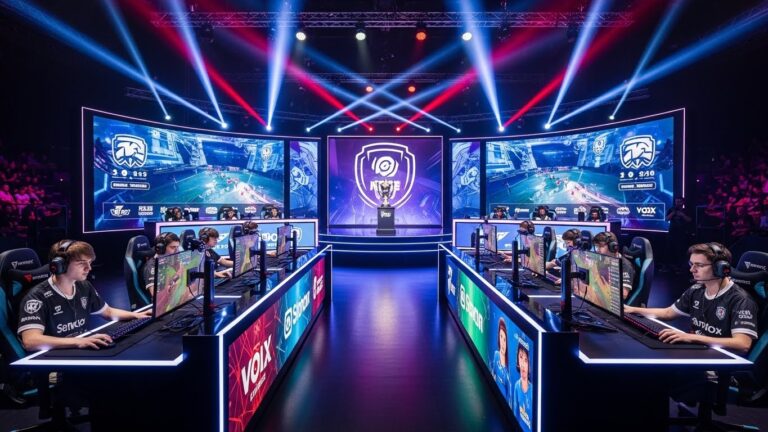
Esports tournaments mirror traditional sports in terms of structure and professionalism. Players participate in qualifiers, regional leagues, and global championships. Teams are managed like professional sports organizations, with coaches, analysts, nutritionists, and psychologists. Tournament organizers ensure fair play, regulations, and prize distribution. This competitive structure allows players to pursue careers in esports, earn substantial incomes, and gain recognition on a global scale. Unlike traditional sports, esports thrives in a digital environment, allowing global accessibility and inclusivity.
Popular Esports Games
A variety of games dominate the esports landscape, each offering unique competitive challenges. Multiplayer online battle arena games, like League of Legends and Dota 2, emphasize strategy, teamwork, and coordination. First-person shooters, such as Counter-Strike and Valorant, test reflexes, precision, and tactical planning. Fighting games, sports simulations, and card-based strategy games also have dedicated competitive scenes. The diversity of games in esports ensures that players with different skills and preferences can participate, contributing to the industry’s broad appeal.
The Role of Technology in Esports
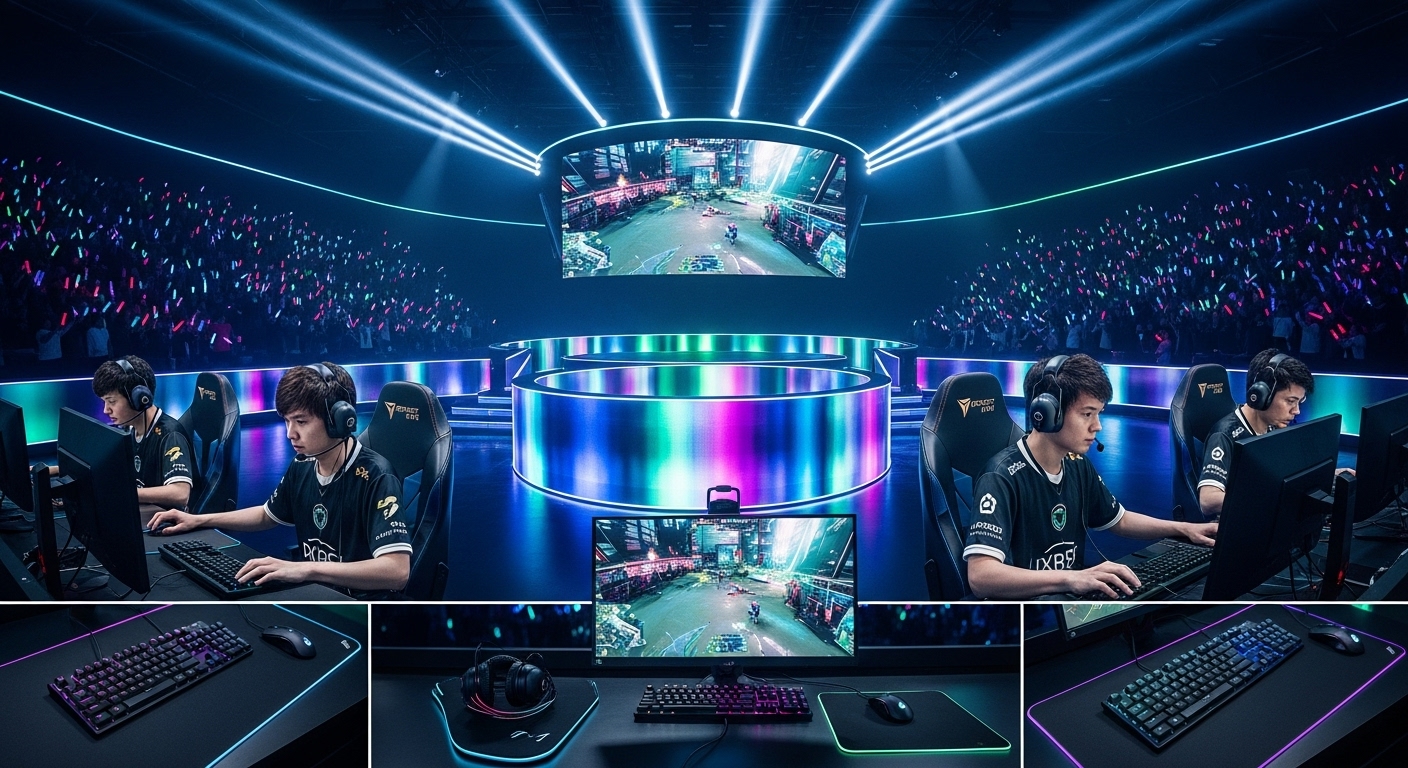
Technology underpins every aspect of esports. High-performance computers, gaming peripherals, and reliable internet connectivity are essential for competitive play. Streaming platforms allow global audiences to watch tournaments in real time, while advanced broadcasting software ensures professional production quality. Data analytics and AI tools help teams analyze gameplay, identify weaknesses, and improve strategies. Virtual reality and augmented reality are beginning to influence esports by creating new gaming experiences and immersive competition environments. Technology has transformed esports into a sophisticated ecosystem that rivals traditional sports in professionalism and fan engagement.
Esports as a Career
Esports offers a range of professional opportunities beyond playing games. Professional players can earn substantial salaries, sponsorships, and prize money. Coaches and analysts study game mechanics, team strategies, and opponent behavior. Event organizers, commentators, and content creators play vital roles in maintaining the industry’s ecosystem. The esports career path requires dedication, skill, and continuous improvement. Unlike many traditional careers, success in esports is performance-based and highly visible, which motivates players to push their limits while inspiring aspiring gamers worldwide.
The Social Impact of Esports
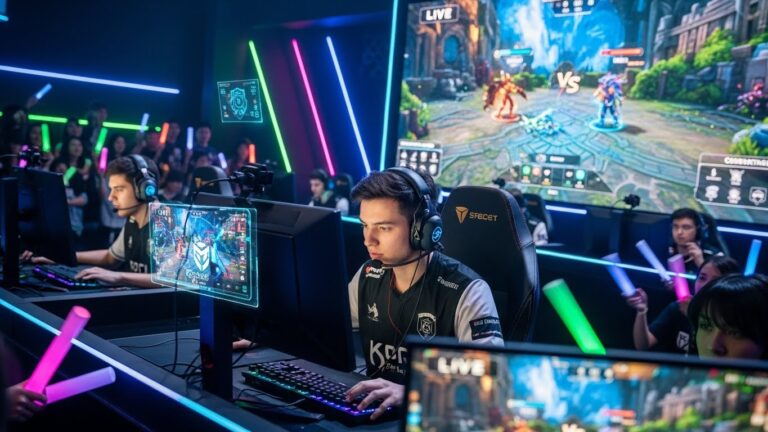
Esports has created a global community that transcends geographical and cultural boundaries. Online platforms allow fans to connect, discuss strategies, and follow their favorite teams. Social media amplifies engagement by enabling direct interaction between players and audiences. Esports events bring people together both virtually and in live arenas, creating shared experiences similar to traditional sports fandom. The social aspect of esports fosters teamwork, collaboration, and communication skills among players, while providing fans with a sense of belonging and community.
Esports and Education
Esports has increasingly found its place in educational institutions. Schools and universities now offer esports programs, scholarships, and competitive teams. These programs teach strategy, communication, critical thinking, and digital literacy. Students gain opportunities to participate in structured competitions, develop leadership skills, and explore careers in technology, event management, or media. By integrating esports into education, institutions acknowledge its legitimacy as a professional and social activity, providing students with practical and transferable skills.
The Business of Esports
The esports industry is a multi-billion-dollar market, attracting investment from sponsors, advertisers, and media companies. Revenue streams include sponsorship deals, merchandise, ticket sales for live events, broadcasting rights, and online content monetization. Esports teams operate like traditional sports franchises, managing brand identity, marketing, and fan engagement. The business side of esports drives innovation, encourages professionalization, and ensures long-term sustainability. It also demonstrates that gaming can generate economic value, creating jobs and opportunities across multiple sectors.
Mental and Physical Demands of Esports
Competitive gaming is physically and mentally demanding. Players maintain rigorous practice schedules, often exceeding eight hours a day, requiring focus, reflexes, and strategic thinking. Mental health and well-being are crucial, as stress, burnout, and performance pressure are common. Many professional teams provide access to psychologists, physical trainers, and wellness programs to support players’ health. While esports is primarily digital, physical and mental fitness are essential for sustained success, highlighting the professionalism and discipline required in the industry.
Esports and Global Culture
Esports has become a cultural force that influences fashion, music, entertainment, and digital trends. Players become celebrities, inspiring fans with their skills, personalities, and achievements. Gaming merchandise, cosplay, and fan art contribute to a shared cultural identity. Esports also challenges stereotypes about gamers, showing that competitive gaming requires intelligence, strategy, and teamwork. By crossing cultural boundaries, esports fosters inclusivity, celebrates diversity, and encourages collaboration among global communities.
Challenges Facing Esports
Despite its rapid growth, esports faces challenges. Issues such as player exploitation, cheating, and unequal access to resources can affect fairness and sustainability. The industry also faces regulatory and legal hurdles, including contracts, intellectual property rights, and international competition rules. Additionally, balancing gaming with education, career development, and personal life remains a concern for professional players. Addressing these challenges is essential to ensure that esports continues to thrive as a reputable, equitable, and respected global industry.
The Future of Esports
The future of esports promises innovation, growth, and broader cultural impact. Emerging technologies like virtual reality, augmented reality, and artificial intelligence are likely to redefine competition and audience engagement. Cross-platform play and cloud gaming will make esports more accessible, while increasing integration with education and professional industries will provide additional opportunities. As esports continues to mature, it may become a mainstream form of entertainment, rivaling traditional sports in popularity, economic impact, and cultural relevance.
Conclusion
Esports has evolved from small-scale competitions into a global cultural and professional phenomenon. It combines skill, strategy, teamwork, technology, and storytelling to create a unique form of competitive entertainment. Beyond the screen, esports impacts education, careers, mental health, social interaction, and global culture. Its rise demonstrates the potential of digital platforms to transform hobbies into industries and communities. As technology advances and the audience grows, esports is set to become an even more influential part of society, shaping how we play, compete, and connect in the modern world.
About the Author