Introduction
In the early days of video gaming, competitions were often small, local affairs between friends and enthusiasts. Fast forward a few decades, and eSports has transformed into a global industry, captivating millions of fans, creating professional careers for gamers, and giving rise to one of the fastest-growing sectors in entertainment. eSports, short for electronic sports, refers to organized, multiplayer video game competitions, often between professional players, teams, or organizations. But it’s more than just playing games—it’s a full-fledged ecosystem that combines entertainment, skill, business, and culture. In this blog post, we will explore how eSports has risen from a niche activity to a multi-billion-dollar phenomenon, the factors contributing to its growth, and what the future holds for this booming industry.
The Early Days of Competitive Gaming
eSports didn’t happen overnight. Its roots trace back to the early days of video gaming, when arcade competitions became popular. The 1970s saw the first official video game tournament held by Atari, titled the “Space Invaders Championship,” which attracted thousands of participants and helped solidify the idea of competitive gaming. However, it was not until the late 1990s and early 2000s, with the rise of online multiplayer games like StarCraft, Warcraft III, and Quake, that competitive gaming began to take off in a more organized way. These games allowed players from all over the world to face off against each other online, leading to the first real competitive gaming tournaments.
These tournaments, though small by today’s standards, set the stage for what would later become a massive global industry. While games like StarCraft and Counter-Strike played a pivotal role in establishing the foundations of eSports, the real turning point came with the launch of platforms like Twitch in 2011. Twitch revolutionized the way people watched video games, offering a dedicated space for gamers to stream their gameplay and, more importantly, for audiences to engage with eSports in real time.
The Emergence of eSports as a Global Industry
By the early 2010s, eSports had become more than just a hobby for a small group of enthusiasts. It was quickly emerging as a legitimate sport, attracting sponsorships from major companies, broadcast rights deals, and millions of viewers. The professionalization of eSports came with the rise of large tournaments and events such as The International (Dota 2), League of Legends World Championship, and Overwatch League, which offered multi-million-dollar prize pools and garnered massive live audiences. The success of these events also helped draw the attention of traditional sports organizations and major media outlets.
eSports was no longer confined to basements and online platforms; it was being held in sold-out arenas, broadcasted on major television networks, and even covered in mainstream media outlets like ESPN. The growing popularity of live streaming platforms, especially Twitch and YouTube Gaming, allowed fans to tune in to watch their favorite players and teams compete in real time. This shift in how eSports was consumed marked the beginning of its acceptance as a legitimate form of entertainment, comparable to traditional sports like football and basketball.
The Role of Professional Teams and Players
At the heart of the eSports ecosystem are the professional players and teams that compete in these high-stakes tournaments. Just like in traditional sports, eSports athletes train extensively to perfect their skills, often practicing for hours each day, studying gameplay strategies, and reviewing past performances. In fact, many professional gamers view their gaming careers as athletic pursuits, requiring the same level of dedication and discipline as any other sport.
In the early days of eSports, most players competed individually. However, as the industry grew, so did the need for teams to represent organizations and sponsors. Today, the biggest eSports organizations—such as Team Liquid, Cloud9, and Fnatic—field teams of professional gamers who compete in various games, from League of Legends and Valorant to Dota 2 and Fortnite. These teams have full coaching staffs, analysts, and training facilities to help players improve their game.
Professional eSports players can earn significant salaries through tournament winnings, sponsorships, streaming revenue, and merchandise sales. While most of these players start young, many enjoy long careers in the industry, especially if they transition into content creation or coaching once their competitive careers end.
The Appeal of eSports: Why People Watch and Play
One of the biggest drivers of eSports’ growth is its massive fan base. Millions of viewers from all over the world tune in to watch tournaments and follow the careers of their favorite players. But what is it about eSports that draws such a large audience?
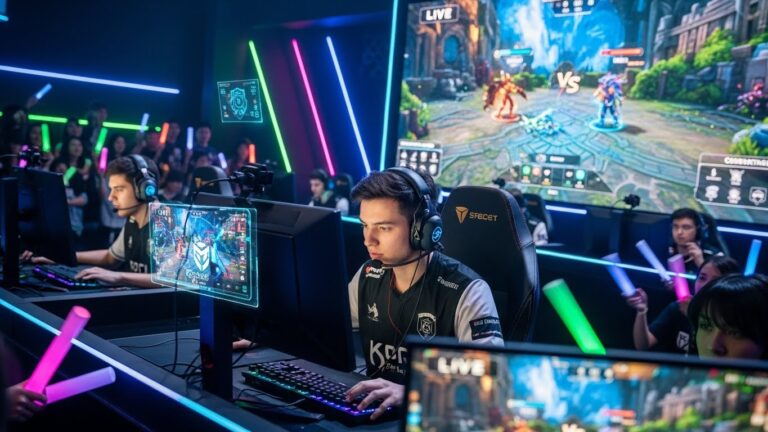
First and foremost, the excitement of competition is universal. Watching two highly skilled players or teams go head-to-head in a game is thrilling, much like watching a sports match. eSports also fosters a deep sense of community, where fans not only support their favorite players or teams but also engage with others who share the same interests. Streaming platforms like Twitch have become more than just a place to watch games—they are interactive environments where fans can chat with players, comment on live streams, and even contribute financially through donations and subscriptions.
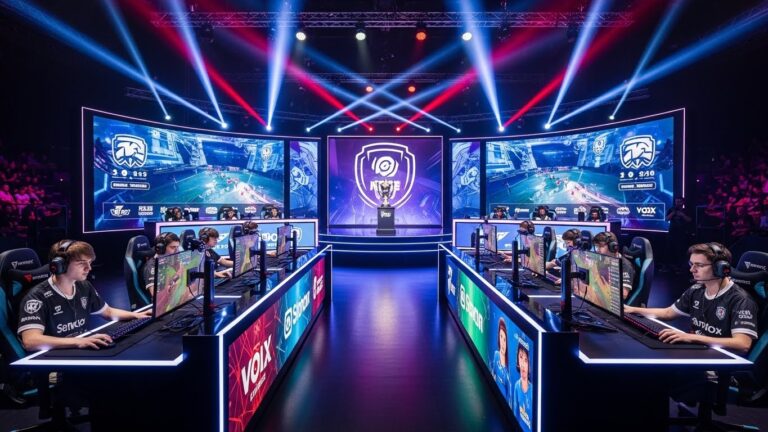
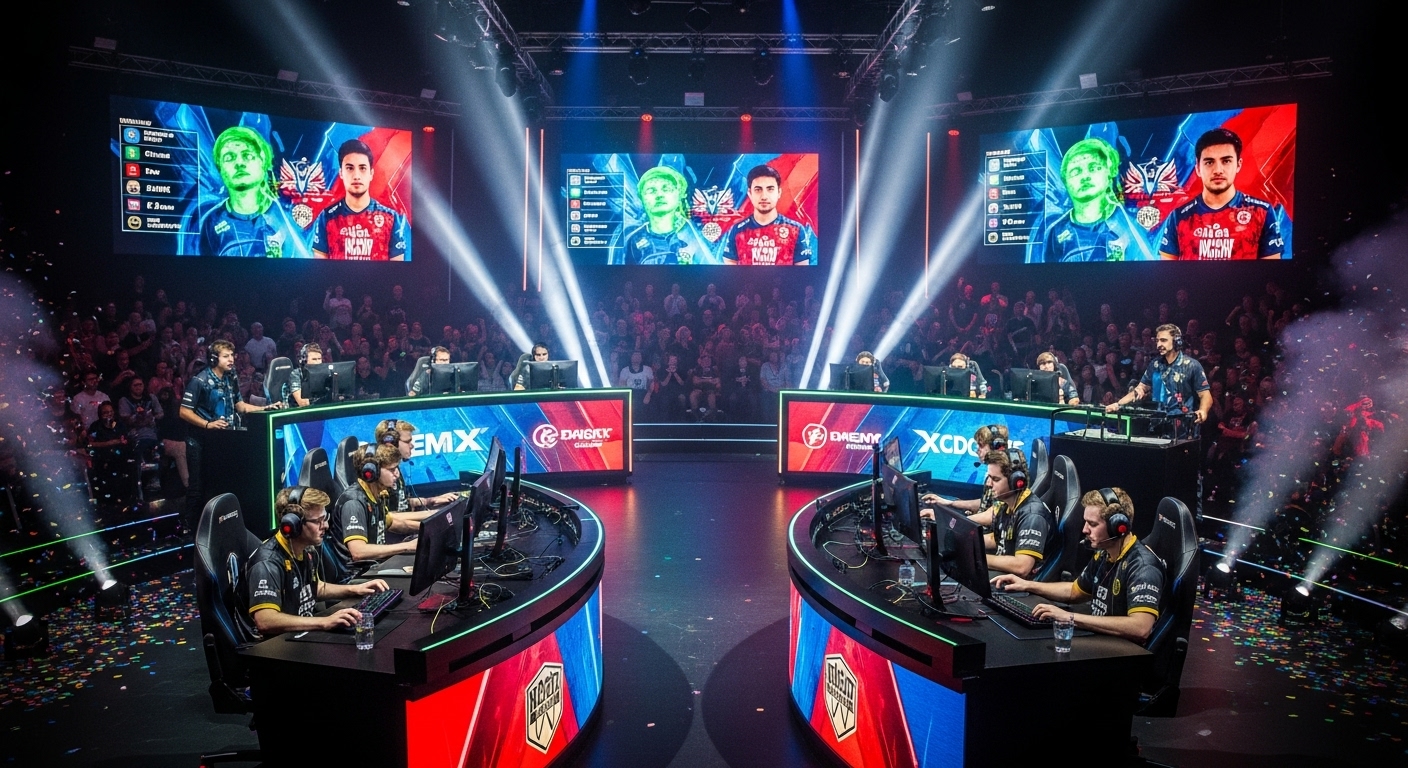
Moreover, eSports events often feature an incredible amount of spectacle. These tournaments are not just about the games themselves but the production value that surrounds them. With massive stage setups, live commentary, and high-end graphics, watching an eSports competition can feel like attending a live concert or a professional sports event. The atmosphere, the energy of the crowd, and the sheer scale of the tournaments make eSports a unique entertainment experience.
Sponsorships, Advertising, and the eSports Economy
As the popularity of eSports continues to grow, so too does its economic impact. Major brands, including Intel, Coca-Cola, and Nike, have recognized the value of eSports and have begun to invest heavily in the industry. Sponsorships from these companies help fund tournaments, provide salaries for players, and support eSports teams and organizations.
The eSports industry generates revenue from a variety of sources, including sponsorships, media rights, merchandise sales, and ticket sales for live events. Streaming platforms like Twitch and YouTube Gaming make money through advertisements, subscriptions, and partnerships with content creators. The rapidly expanding eSports betting market also adds to the financial landscape, with fans placing wagers on major tournaments and matches.
Additionally, the eSports industry has expanded beyond just the games themselves. Major companies are investing in gaming-related technology, such as high-performance gaming computers, accessories, and peripherals, creating an entire ecosystem of products and services that cater to the needs of professional gamers and enthusiasts alike.
eSports and Its Cultural Impact
The rise of eSports has had a profound cultural impact. Video gaming has long been seen as a form of entertainment for younger generations, but eSports has helped elevate gaming into the mainstream. Today, it’s common to see eSports tournaments broadcast on television, with commentators providing in-depth analysis of gameplay, similar to traditional sports broadcasts.
Moreover, eSports has fostered a new form of celebrity culture. Professional players are now global stars, with massive social media followings and endorsement deals from major companies. Players like Faker, Ninja, and Shroud have become household names, and their influence extends beyond gaming to fashion, entertainment, and social media.
eSports also plays a key role in breaking down cultural and gender barriers in gaming. While gaming has historically been dominated by male players, there has been a growing push to promote diversity and inclusivity within the eSports community. Female players, teams, and streamers have gained recognition and support, helping to create a more equitable environment for all.
Challenges Facing the eSports Industry
Despite its rapid growth, eSports faces a number of challenges that could affect its long-term sustainability. One of the primary concerns is player burnout. The constant pressure to perform at the highest level can take a toll on players’ mental and physical health. Many players experience exhaustion, depression, and anxiety as a result of the demanding schedules and the high stakes involved. As the industry matures, there is a growing need for better mental health support systems for players, as well as efforts to balance the intense training regimens with healthy lifestyles.
Another challenge is the potential for cheating and match-fixing. Just like in traditional sports, eSports is not immune to corruption. Developers, tournament organizers, and governing bodies are continually working to address these issues by implementing stricter regulations, anti-cheating software, and greater transparency in tournament results.
Furthermore, there is the issue of regulation and standardization. As the eSports industry continues to grow, there is a need for clearer governance, player protection, and better-defined rules regarding tournament structures and player contracts. Ensuring that the eSports ecosystem is fair, equitable, and sustainable will be key to its future success.
The Future of eSports
Looking ahead, the future of eSports looks incredibly bright. The industry is continuing to expand in terms of both revenue and global reach. As internet speeds improve and technology advances, we can expect to see even more immersive experiences, with virtual reality (VR) and augmented reality (AR) playing a significant role in the next generation of eSports.
The continued growth of mobile gaming also presents new opportunities for eSports. Mobile games like PUBG Mobile and Clash Royale have already established themselves as prominent platforms for competitive gaming, and as smartphones become increasingly powerful, mobile eSports is poised to become a dominant force in the industry.
Moreover, the integration of eSports into traditional sporting events and the potential inclusion of eSports in the Olympics could further cement its place as a global cultural phenomenon. As the lines between traditional sports and digital competition continue to blur, eSports could be on the verge of becoming a mainstream, globally accepted sport.
About the Author