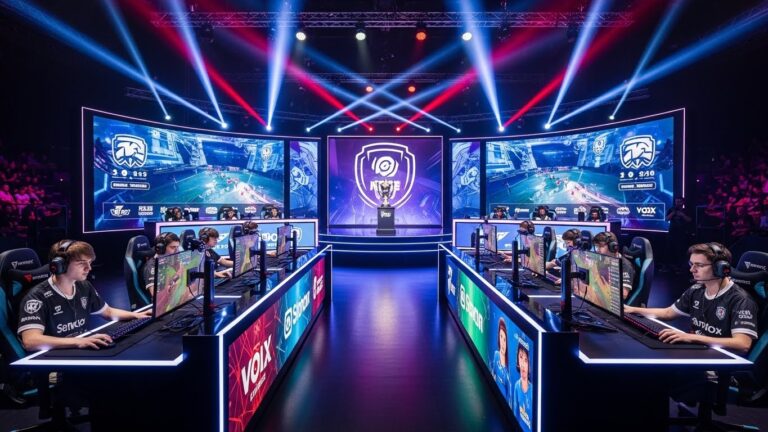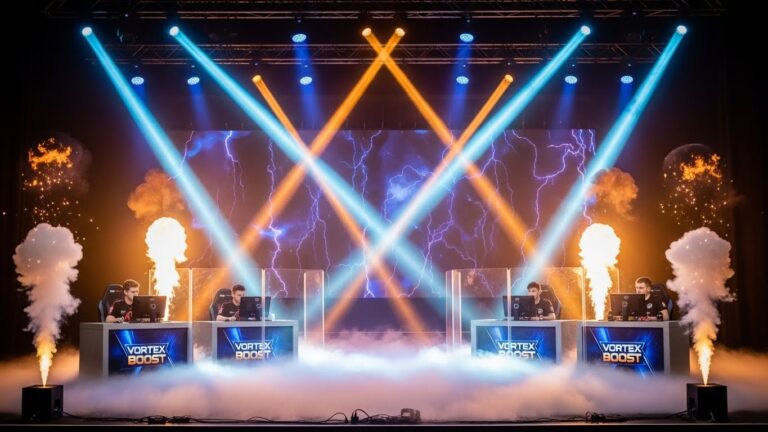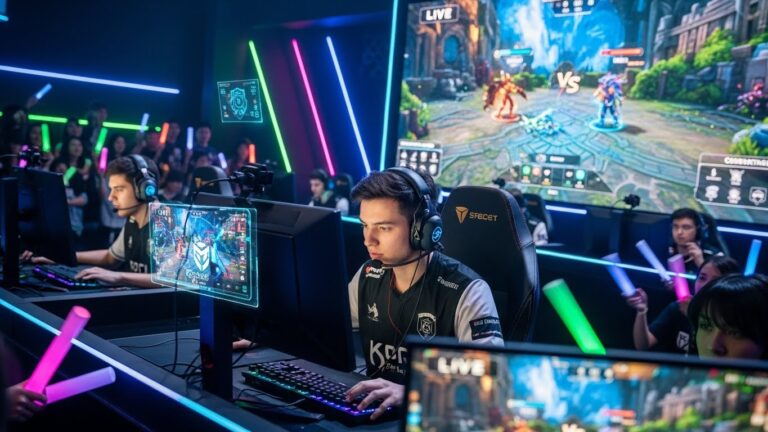

Esports, or competitive gaming, has transformed from a niche hobby into a worldwide industry that captivates millions of fans. What started as casual matches between friends has now evolved into professional leagues, international tournaments, and lucrative careers. Players, teams, and organizations have elevated esports into a platform where skill, strategy, and entertainment intersect.
This blog explores the evolution of esports, its cultural and economic impact, the role of technology, and the opportunities and challenges that shape its future.
The Origins of Esports: From Arcade Competitions to Online Battles
Esports traces its roots back to the late 1970s and 1980s, when arcade games became the first arenas for competition. Titles such as Space Invaders and Pac-Man inspired local tournaments and high-score contests. These early competitions created communities of players who thrived on skill, strategy, and recognition.
The 1990s marked a significant turning point with the rise of PC gaming and console networks. Games like StarCraft, Quake, and Street Fighter laid the foundation for competitive gaming culture. These games emphasized strategy, reflexes, and teamwork, qualities that remain essential in esports today. The advent of the internet allowed players to compete beyond local communities, setting the stage for global esports competitions.
Professionalization of Competitive Gaming
The 2000s saw esports evolve into a professional industry. Dedicated teams, sponsorships, and leagues began to emerge, turning gaming into a viable career path. Players devoted hours of practice daily, just like athletes in traditional sports, to hone their skills. Tournaments with substantial prize pools, such as the League of Legends World Championship and The International for Dota 2, became major attractions for both fans and investors.
Professional esports teams operate like traditional sports organizations, employing coaches, analysts, nutritionists, and psychologists to optimize player performance. The level of dedication and discipline required mirrors that of any competitive athlete, emphasizing that esports is far more than casual gaming.
The Role of Streaming in Esports Growth
Streaming platforms have been instrumental in propelling esports into the mainstream. Services like Twitch and YouTube Gaming allow millions of viewers to watch live matches in real-time. Fans can interact with players, comment on plays, and learn strategies, creating a dynamic and engaging viewing experience.
Streaming has also democratized exposure for aspiring players. Talented gamers can showcase their skills online, potentially earning recognition and professional contracts. The combination of live competition and community engagement has created a strong bond between players and their audiences, which is central to the esports experience.
Popular Esports Titles and Genres
Esports encompasses a variety of game genres, each appealing to different types of players and audiences. Multiplayer online battle arena (MOBA) games, such as League of Legends and Dota 2, focus on teamwork, strategy, and map control. First-person shooters (FPS) like Counter-Strike: Global Offensive and Call of Duty emphasize reflexes, precision, and tactical decision-making.
Other genres include fighting games, sports simulations, and real-time strategy games. While the mechanics differ, all esports games require mastery, focus, and strategy, which captivate audiences and fuel competitive excitement.
The Economic Impact of Esports
Esports has become a significant economic force, generating billions of dollars globally. Revenue comes from sponsorships, media rights, merchandise, ticket sales for live events, and streaming subscriptions. Top-tier tournaments feature prize pools that can reach millions of dollars, attracting worldwide attention.
Sponsorship deals are a crucial revenue source. Companies invest in teams, leagues, and content creators to reach large and engaged audiences. The esports industry also drives employment in areas such as event management, media production, marketing, and software development, contributing to the global economy.
Training and Player Development
Success in esports demands more than natural talent. Players undergo rigorous training, practicing for hours each day to improve their reflexes, strategies, and teamwork. Just like traditional athletes, they focus on mental and physical well-being to maintain peak performance.
Esports teams employ coaches, strategists, and psychologists to guide player development. Nutrition, fitness, and sleep schedules are closely monitored to optimize performance. This professionalization highlights that competitive gaming requires discipline, resilience, and dedication, emphasizing the legitimacy of esports as a professional pursuit.
Esports and Its Cultural Influence
Esports has become a cultural phenomenon, influencing entertainment, fashion, and social interaction. Fans idolize players and follow tournaments with the same intensity as traditional sports events. Esports events often feature elaborate opening ceremonies, fan interactions, and cosplay, making them immersive cultural experiences.
Colleges and universities now offer esports scholarships and programs, recognizing the legitimacy of gaming as a competitive discipline. This acceptance demonstrates how esports has gained respect and recognition as both entertainment and sport.
Challenges Facing Esports
Despite its rapid growth, esports faces challenges. Player burnout is a common concern due to intense schedules, travel, and practice demands. Regulatory standards are inconsistent, leading to disparities in contracts, tournament rules, and player rights.
Online harassment, cheating, and hacking also threaten the integrity of esports competitions. Addressing these challenges requires collaboration between game developers, event organizers, and governing bodies to ensure fair play, player welfare, and a safe environment for all participants.
The Role of Technology in Competitive Gaming
Technology is the backbone of esports. High-performance computers, gaming consoles, peripherals, and fast internet connections enable smooth gameplay and high-level competition. Streaming technology allows audiences to engage with live events worldwide, while analytics tools provide insights into player performance and strategies.
Emerging technologies like virtual reality and augmented reality may redefine how games are played and viewed in the future. Artificial intelligence is already being used to improve matchmaking, assist coaching, and analyze strategies, making esports smarter and more engaging.
Global Expansion of Esports
Esports is now a global phenomenon, with thriving communities across Asia, North America, Europe, and beyond. South Korea pioneered the esports scene, with televised competitions and professional leagues. Today, international tournaments bring together players from diverse backgrounds, showcasing talent from across the globe.
The global reach of esports has helped foster cultural exchange and community building. Fans from different countries unite to support teams, celebrate victories, and share experiences, making esports a truly international activity.
Esports and Education: Learning Through Gaming
Esports also plays a role in education by developing skills such as teamwork, communication, and problem-solving. Schools and universities have introduced esports programs, clubs, and scholarships to encourage students to engage in structured gaming environments.
Competitive gaming teaches strategic thinking, critical analysis, and leadership skills, which are transferable to academic and professional pursuits. Educational esports programs highlight how gaming can be both entertaining and educational, bridging the gap between passion and skill development.
The Future of Esports
The future of esports is full of opportunities and innovation. Technological advancements will enhance gameplay, audience interaction, and immersive experiences. Virtual reality tournaments, interactive live streams, and AI-assisted coaching may become standard features of competitive gaming.
Esports may also intersect more with traditional sports and mainstream entertainment, creating hybrid experiences that attract diverse audiences. The industry is expected to continue growing in both economic value and cultural significance, further solidifying its place in modern entertainment.
Social impact is another promising area. Esports can offer career opportunities, foster community engagement, and promote education. Responsible growth and governance will ensure that esports remains a safe, competitive, and inclusive platform.
Conclusion: Esports as a Defining Force in Digital Entertainment
Esports has transformed the way we view competition, skill, and entertainment. From humble beginnings in arcade rooms to global tournaments with millions of viewers, esports has become a professional, cultural, and economic force.
The rise of esports reflects the broader impact of technology on modern life, demonstrating how digital platforms can connect people, inspire innovation, and create opportunities. Beyond entertainment, esports has become a platform where talent, strategy, and dedication converge, redefining what it means to compete in the 21st century.
As esports continues to evolve, it will inspire, entertain, and challenge players and audiences alike, proving that the digital arena is here to stay. The future of competitive gaming is bright, and its impact will continue to shape global culture for years to come.
About the Author