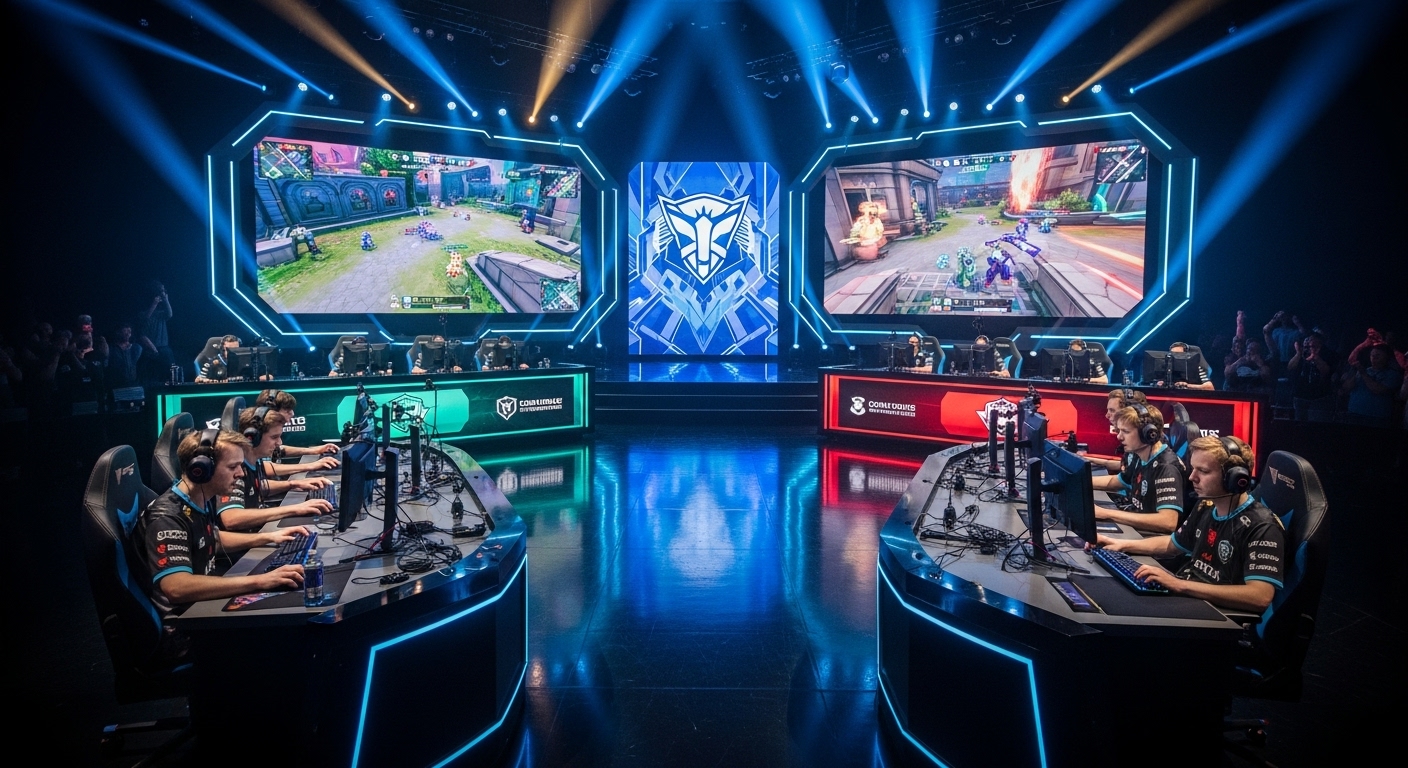
Introduction: The Game That Changed Everything
For decades, video games were seen as a pastime, a hobby that lived quietly in bedrooms and arcades. Then something happened — players started gathering to compete, not just for fun, but for glory. What began as friendly challenges among friends turned into organized tournaments. Fast forward to today, and Esports has become a global phenomenon, rivaling traditional sports in viewership, revenue, and cultural impact.
Esports isn’t just gaming anymore. It’s a billion-dollar industry powered by technology, passion, and a generation that found its arena not on a field, but on a screen. This post explores the fascinating evolution of Esports, the ecosystem behind it, the careers it has spawned, and where the industry might be headed next.
The Humble Beginnings: How It All Started
The roots of Esports can be traced back to the 1970s and 1980s when the idea of video game competitions first emerged. The first recognized video game tournament was held at Stanford University in 1972, where students played Spacewar!. The prize? A year’s subscription to Rolling Stone magazine.
By the 1980s, arcade games like Donkey Kong and Pac-Man were pushing the boundaries of competition. High scores were no longer personal achievements — they were public bragging rights displayed for all to see. The 1990s brought major milestones with the rise of the internet and local area network (LAN) parties, where players could connect their computers to compete in games like Quake or StarCraft.
Those early LAN events laid the groundwork for what Esports would become: communities forming around competition, technology enabling connection, and players striving to be the best.
The Internet Era: When Esports Found Its Stage
The late 1990s and early 2000s changed everything. With the spread of broadband internet, competitive gaming became accessible beyond local circles. Players could now challenge opponents from across the world in real time.
Games like Counter-Strike, StarCraft: Brood War, and Warcraft III turned into serious competitive platforms. South Korea was one of the first countries to recognize the potential. The government invested in high-speed internet infrastructure, and gaming cafés (PC bangs) became cultural landmarks. Korean players such as BoxeR and Flash achieved celebrity status, filling arenas and appearing on television.
This was the birth of professional Esports. Teams formed, sponsors appeared, and tournaments began offering real money. The seeds of an industry were planted, and they were growing fast.
The Streaming Revolution: How Twitch Changed the Game
The next major shift came with streaming platforms. Before Twitch (launched in 2011), watching Esports wasn’t easy — you needed access to specific broadcasts or local recordings. Twitch gave anyone the power to stream and watch live gaming content, creating a new layer of engagement.
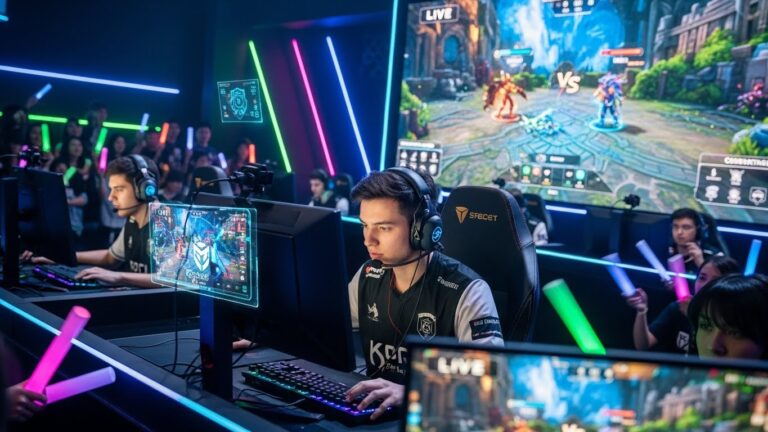
Suddenly, Esports wasn’t just for players; it was for spectators too. Fans could tune in to live tournaments, follow their favorite teams, and chat with other viewers. The real-time interaction made gaming a shared experience, something traditional sports had been doing for decades.
Streaming also democratized fame. A talented player no longer needed to win championships to be recognized. With charisma, skill, and consistency, they could build audiences, earn sponsorships, and create full-time careers simply by streaming.
The Global Explosion: From Local Tournaments to Sold-Out Arenas
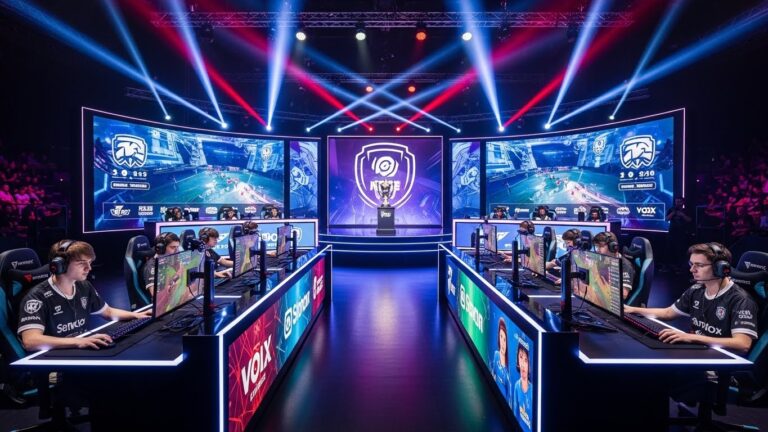
By the mid-2010s, Esports had exploded worldwide. Games like League of Legends, Dota 2, Counter-Strike: Global Offensive, and Overwatch dominated the scene. Major tournaments started drawing tens of thousands of live attendees and millions more online.
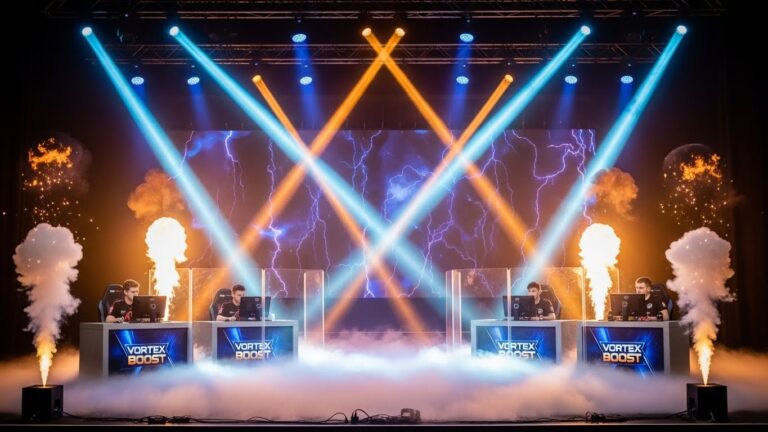
For example, The International — Dota 2’s annual championship — became one of the largest Esports events in history, offering prize pools exceeding 40 million dollars. League of Legends Worlds filled entire stadiums with light shows, stage pyrotechnics, and live performances that rivaled the Super Bowl.
The production value, sponsorship involvement, and professionalism of these events elevated Esports from hobbyist competitions to legitimate entertainment spectacles.
Behind the Scenes: The Business of Esports
The financial backbone of Esports is complex and diverse. Revenue streams come from sponsorships, media rights, advertising, ticket sales, and merchandise. Big brands like Coca-Cola, Intel, Red Bull, and Mercedes-Benz have all invested heavily in the space, seeing the massive potential in reaching a young, tech-savvy audience.
Tournaments are often co-produced by game developers and independent organizers. Publishers like Riot Games, Valve, and Blizzard play crucial roles in shaping their games’ competitive ecosystems. Each game has its own league system, ranking structures, and player contracts.
There’s also a growing infrastructure of Esports organizations such as Team Liquid, Cloud9, and Fnatic. These teams operate much like traditional sports clubs, managing players, coaches, analysts, and marketing divisions. They negotiate sponsorships, manage fan engagement, and often operate across multiple games.
In short, Esports isn’t just a pastime — it’s a structured industry with its own economy.
The Players: Modern-Day Athletes
The skill level required to compete professionally in Esports is staggering. Players train up to ten hours a day, practicing reflexes, communication, and strategy. Reaction times measured in milliseconds, precise coordination, and mental endurance define their performance.
Just like traditional athletes, Esports players follow strict regimens. Many live in team houses or training facilities, where they scrimmage, review replays, and work with coaches. Some even have nutritionists and psychologists to maintain peak performance.
The life of a professional gamer is both glamorous and grueling. Fame and sponsorships come quickly, but careers can be short. Reaction time and focus tend to peak in the early twenties, meaning most players retire before thirty. Afterward, many transition into coaching, content creation, or commentary.
The Fans: A New Kind of Sports Culture
Esports fandom looks different from traditional sports, but the passion is the same. Fans rally behind teams, players, and even specific games. Online communities thrive on platforms like Discord, Reddit, and Twitter, where fans discuss plays, strategies, and drama.
What makes Esports fans unique is their accessibility. Unlike traditional athletes who are distant from fans, gamers often stream daily, interact on social media, and share personal moments online. That transparency builds stronger bonds.
Cosplay, digital art, and fan-driven content have also become a major part of Esports culture. Fans create highlight reels, memes, and entire events celebrating their favorite players — a sign of how deeply interactive this world has become.
Education and Careers: Beyond Playing the Game
Esports has also opened new doors in education and employment. Universities now offer scholarships for Esports athletes, and academic programs in game design, event management, and digital media are becoming common.
Entire career paths have emerged around the Esports ecosystem — from analysts and shoutcasters (commentators) to event organizers and production crew. The industry also fuels job creation in marketing, software development, hardware engineering, and brand management.
This isn’t just about gaming anymore. It’s about the merging of entertainment, technology, and business into a thriving global profession.
The Technology That Powers Esports
The success of Esports relies heavily on technology. High-speed internet, gaming PCs, streaming platforms, and cloud-based infrastructure make global competition possible. Advances in graphics, processing power, and network reliability have made the experience smoother for both players and viewers.
Artificial intelligence and data analytics are also transforming how teams train. Coaches use detailed statistics to evaluate player performance, track tendencies, and refine strategies. Virtual reality and augmented reality are being explored as future frontiers for immersive viewing experiences.
As technology continues to evolve, Esports will only become more integrated with digital innovation.
The Cultural Shift: Acceptance and Legitimacy
Not long ago, the idea of gaming as a “real sport” was met with skepticism. Today, Esports athletes are recognized by governments, sports councils, and even the International Olympic Committee, which has started exploring Esports integration into official Olympic events.
This cultural shift reflects changing attitudes toward what competition and entertainment look like in the digital age. Gaming has become a shared experience — not an isolated one. It connects people globally, crossing language and cultural barriers.
Mainstream media coverage and sponsorships have further cemented Esports as part of modern culture. Parents who once questioned their kids’ gaming habits now see legitimate career opportunities.
Challenges Facing the Industry
Despite its success, Esports faces several challenges. The fast-paced nature of gaming means that popular titles can rise and fall quickly. A game that dominates for years can lose its audience overnight, destabilizing entire leagues and organizations.
Player burnout is another major issue. The pressure to perform, constant travel, and long practice hours can take a mental and physical toll. The industry is slowly addressing this by introducing rest periods and wellness programs.
There’s also the question of sustainability. Esports relies heavily on digital platforms and publisher control. When a publisher decides to change a game or shut down servers, it can instantly end a competitive scene. This level of dependence makes the industry more fragile than traditional sports.
Another growing concern is inclusivity. While Esports has made progress, female players and marginalized groups still face barriers. Creating a truly inclusive environment is one of the next big challenges for the community.
The Impact of COVID-19: Esports’ Unexpected Boost
When traditional sports leagues shut down during the pandemic, Esports filled the void. Tournaments moved entirely online, and audiences surged. Viewership on Twitch, YouTube Gaming, and Facebook Gaming hit record highs.
Esports proved its resilience. It didn’t need stadiums or physical gatherings to thrive. In fact, the industry adapted faster than almost any other form of entertainment during that time.
This period also showed the potential for remote production and online collaboration. Teams and broadcasters learned to operate fully digital events with global audiences — a skill that continues to shape the industry today.
The Future of Esports: What Comes Next
The future of Esports looks promising and unpredictable. The next phase will likely see deeper integration with emerging technologies like virtual reality, blockchain, and AI-driven analytics.
Franchise-based leagues, like those in Overwatch and Call of Duty, may evolve into more sustainable business models, providing stability for players and organizations. Meanwhile, smaller community-driven games will continue to push innovation from the grassroots level.
There’s also growing discussion about cross-platform competitions, mobile Esports, and global regulations to standardize player contracts and tournament integrity.
In the next decade, we may see Esports take its place alongside football and basketball as one of the dominant global entertainment industries.
Why Esports Matters
At its core, Esports represents more than competition. It’s about community, technology, and creativity. It’s a space where anyone with skill and dedication can rise to the top, regardless of background or location.
It has redefined what it means to be an athlete, what it means to be an entertainer, and what it means to connect in the digital age. Whether you play, watch, or just admire the scene from afar, Esports shows us how passion can build empires — even out of pixels.
Conclusion: The Game Is Far From Over
From a small gathering of students playing Spacewar! in 1972 to sold-out arenas and multi-million-dollar championships, the story of Esports is nothing short of extraordinary. It’s a reflection of how far technology, culture, and human ambition have come together.
Esports has created new heroes, new industries, and a new definition of sportsmanship. The players are younger, the arenas are digital, and the crowds are global — but the competitive spirit remains timeless.
The game isn’t over. It’s just getting started.
About the Author